What Do Dumbbell Lunges Work? Muscles Explained
If you have ever picked up a pair of heavy weights and stepped forward into a lunge, you already know it is a brutal workout. Your lungs burn, your vision blurs slightly, and keeping your balance suddenly feels like a circus act. So, exactly what do dumbbell lunges work?
They target almost every muscle from your waist down. This compound movement forces your body to handle heavy resistance while simultaneously fighting gravity and balancing on one leg.
Our research shows that unilateral exercises like the lunge develop lower-body strength while correcting muscle imbalances between your left and right legs. According to the American College of Sports Medicine, training multiple joints at once improves overall biomechanical efficiency. Let us break down everything this exercise does.
We will show you how to tweak your stance for different muscle targets. We will also cover the form cues you need to protect your knees and lower back.
Quick Answer
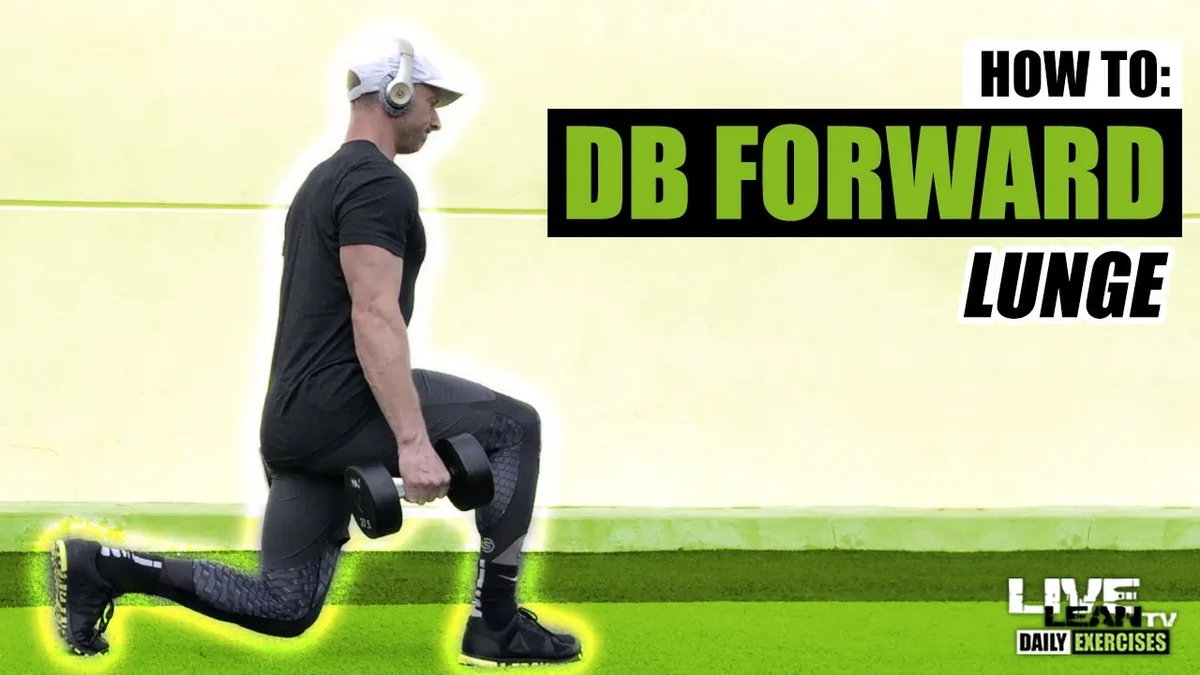
What do dumbbell lunges work? They primarily work your quadriceps. They also heavily target your gluteus maximus.
Your hamstrings assist during the lowering phase. Your calves and core act as stabilizers. The exact muscle focus shifts based on your stride length.
The Primary Movers: The Muscles Doing the Heavy Lifting
Whenever you perform a lunge, your front leg takes the vast majority of the load. Your back leg is mostly there for balance. Pushing that heavy load back up to a standing position requires massive force.
Three major muscle groups handle this heavy workload.
Quadriceps (Front of the Thigh)
Your quadriceps are the primary drivers in a standard dumbbell lunge. These four large muscles sit on the front of your thigh. They are responsible for extending your knee.
As you push back up from the bottom of the lunge, your quads contract hard.
If your legs are shaking after a tough set, you can thank your quads. They take the blunt force of the exercise. This makes lunges one of the best mass builders for the front of your legs.
Keeping your torso perfectly upright forces the quads to work even harder.
Gluteus Maximus (Hips and Glutes)
Your glutes are heavily involved in bringing your hips forward as you stand. The gluteus maximus is the largest muscle in your body. It acts as a powerful hip extensor.
Dumbbell lunges are widely considered a premier exercise for overall glute development.
When you push off the floor, your glutes fire forcefully to straighten your hip joint. This action propels you back to the starting point. Many strength programs prioritize lunges specifically for this targeted glute activation.
Hamstrings (Back of the Thigh)
Your hamstrings run down the back of your leg. They play a slightly different role than your quads do. Instead of pushing you up, they act as stabilizers and brakes.
They control your descent so you do not simply drop to the floor.
This eccentric loading phase pulls direct tension through the hamstrings. They also assist your glutes in extending your hips on the way up. While lunges are not a primary hamstring builder, they are critical for complete leg strength.
The Hidden Stabilizers Keeping You Upright
Holding dumbbells while balancing on one leg forces your nervous system into overdrive. Smaller muscles have to wake up and perform. If these stabilizers fail, you will wobble and fall over.
Core and Spinal Erectors
You have to keep your torso upright against the pull of gravity. Holding heavy dumbbells naturally makes your body want to fold forward. Your abdominal muscles have to brace hard to prevent this.
At the same time, your spinal erectors work continuously. These are the muscles running alongside your spine. They lock your lower back into a safe, strict, and neutral position.
This constant tension builds a rock-solid core over time.
Gluteus Medius and Hip Abductors
The gluteus medius is a smaller muscle located on the side of your hip. Its main job during a lunge is pelvic stability. It stops your torso from aggressively tipping sideways.
When you stand on one leg, your hips want to drop toward the unsupported side. Your gluteus medius fires laterally to keep your pelvis completely level. Weak side glutes will cause your knees to cave inward during the movement.
Calves and Ankle Stabilizers
Your calf muscles plant your feet and keep your ankles rigid. The rear calf works especially hard to keep your back foot stabilized on its toes. The front calf prevents your shin from collapsing too far forward.
Both the gastrocnemius and soleus muscles engage under the heavy load. You might not feel a massive calf pump, but they are working. Without strong ankle stabilizers, the entire lower kinetic chain falls apart.
How Your Stride Length Changes the Target Muscle
One of the best things about this exercise is how easily it adapts to your goals. You can shift the physical load to different muscles simply by changing how far you step. A few inches make a drastic difference.
By adjusting your stance, you change your specific joint angles. This alters exactly which muscle has to do the most work. Take a look at how different strides impact your workout.
| Lunge Style | Muscle Focus | Stance Setup | Posture Cue |
|---|---|---|---|
| Short Stride | Quadriceps | Take a smaller step forward. Front knee travels over toes. | Keep your torso completely upright. |
| Long Stride | Glutes and Hamstrings | Take a wider step. Front shin remains vertical. | Lean your torso slightly forward. |
A short stride maximizes knee flexion. This step recruits the quadriceps intensely. A long stride maximizes hip flexion instead.
That longer movement recruits the glutes and hamstrings to handle the deeper stretch.
Step-by-Step: The Biomechanically Safe Way to Lunge
Poor form is the fastest way to get hurt in the gym. Dumbbell lunges demand strict mechanics to keep the tension on your muscles. If your form breaks down, the tension moves straight into your knee joints.
Follow these steps to dial in a perfect rep. Treat every single repetition like a heavy barbell lift. Focus strictly on precise control.
- Stand tall with your feet hip-width apart. Let the dumbbells hang naturally at your sides. Keep your shoulders pulled back and your chest completely proud.
- Step straight forward with your working leg. Do not place your front foot directly in front of your back foot. Keep both feet on their own separate hip-width tracks.
- Drop your hips straight down toward the ground. Do not push your weight aggressively forward. Lower yourself until your back knee hovers just one inch above the floor.
- Pause for a brief second at the bottom. Your front thigh should be roughly parallel to the ground.
- Drive hard through the entire foot of your front leg. Push yourself straight back to the starting position.
The Most Dangerous Form Mistakes (And How They Wreck Your Knees)
Knowing the right steps is only half the battle. You also have to know exactly what to avoid. Bad habits under heavy loads will inevitably lead to joint pain.
Watch out for these four common errors.
Letting the Front Knee Cave Inward (Knee Valgus)
As you step forward and push back, your front knee might try to wobble inward. This is called knee valgus. It puts a tremendous amount of shearing force on your medial knee ligaments.
You must fight this actively. Force your front knee to track perfectly in line with your outer toes. Squeezing your glutes throughout the movement will help push the knee outward.
Banging Your Back Knee on the Floor
You must control the descending weight. Dropping too fast usually results in banging your back kneecap against the hard floor. This mistake is a very quick way to end your workout early.
Use the eccentric lowering phase to build muscle. Lower yourself slowly and stop right before you touch the ground. If you struggle with control, put a small padded yoga mat underneath you.
The “Tightrope” Stance
Many people step forward as if they are walking on a tightrope. They place their front foot directly in front of their rear foot. This stance completely destroys your base of support.
You will spend the entire set wobbling left and right. Instead, step out on separate tracks like you are standing on train rails. This alignment gives your hips the lateral stability they require.
Rounding Your Lower Back
When the dumbbells get heavy, your upper back naturally wants to slump forward. This pulls your lower back completely out of its safe neutral alignment. It places heavy, unnecessary strain on your spinal discs.
Keep your core tight and look straight ahead. Do not look down at your feet. A proud chest keeps your spine locked firmly where it belongs.
Forward vs. Reverse Lunges: Which is Safer for Your Joints?
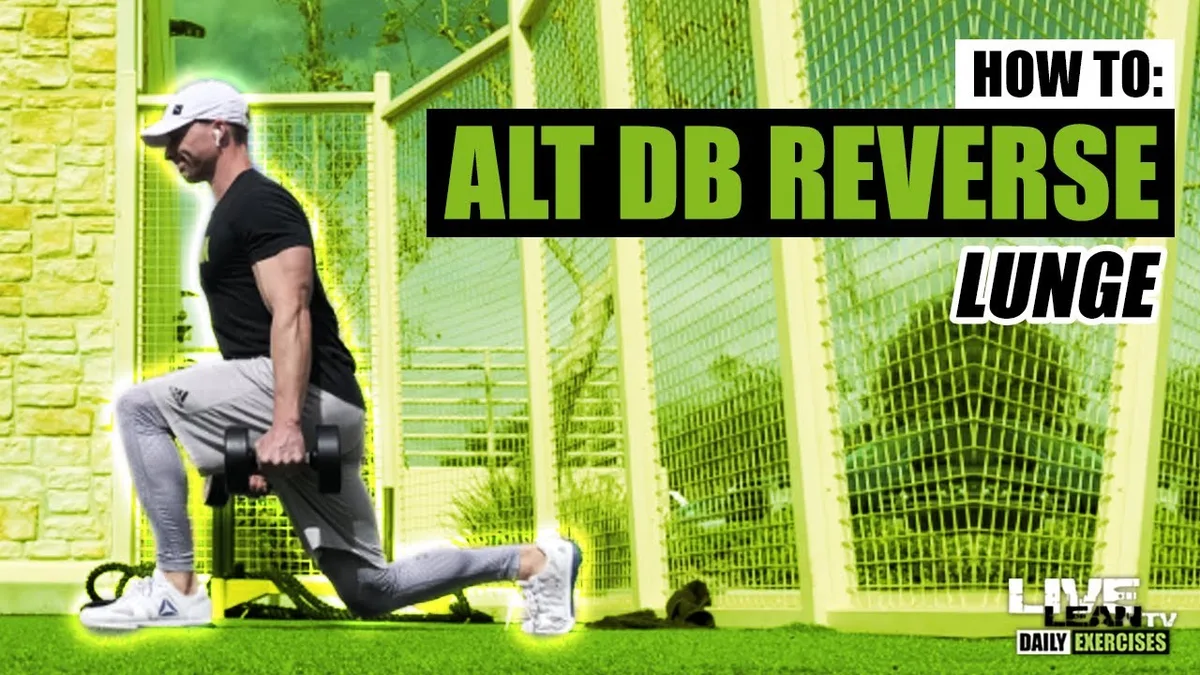
If forward lunges hurt your knees, you might need to try a different variation. The reverse lunge is often considered the safer alternative for overall joint health. It changes the way your body handles momentum.
When you step forward, your body has to absorb a lot of forward momentum abruptly. Your front knee joint takes the brunt of this deceleration force. For healthy trainees, this is absolutely fine.
For people with nagging joint issues, it causes pain.
A reverse lunge involves stepping backward instead. You step back and drop your hips straight down. This completely eliminates the forward deceleration forces.
Your front shin naturally stays vertical, which relieves severe pressure on the kneecap.
Our research shows that reverse lunges still target the identical muscle groups. You still build strong quads, glutes, and hamstrings. You simply do it with far less connective tissue strain.
The “Knee Over Toe” Debate: Is it Safe During a Lunge?
For decades, trainers told everyone to never let their knees pass their toes. This advice was meant to protect the knee joint from excess strain. However, as of 2026, modern biomechanics research has completely updated this old rule.
Letting your knee travel past your toes is perfectly safe for healthy individuals. In fact, it is required for maximum quadriceps development. Restricting forward knee travel forces your hips to compensate heavily.
If you have completely healthy joints, you can safely push your knees forward. Just make sure your front heel remains glued to the floor. The moment your heel pops up, the stress on your knee joint spikes dangerously.
If you have a history of patellar tendonitis, you should limit this forward travel. Keep your shin strictly vertical instead. A vertical shin protects the joint while forcing your glutes to do more work.
Why Your Grip Might Fail Before Your Legs Do
Dumbbell lunges are a leg exercise, but they often test your upper body just as hard. Because you naturally hold heavy weights by your sides, your forearms are doing a specialized farmer’s carry. You have to maintain this isometric grip for the entire set.
Your grip strength will often give out long before your leg muscles reach total failure. This is incredibly frustrating. Your quads might have five more reps left, but your hands simply open up prematurely.
You can fix this easily with lifting straps. Straps lock your hands tightly directly to the dumbbells. This takes your forearm fatigue completely out of the equation.
Do not let a weak grip ruin a perfectly good leg day.
Who Should Avoid Heavy Forward Lunges?
As effective as this exercise is, it is not meant for everybody. Some physical conditions make forward lunges a bad idea. Finding a pain-free machine alternative is always the smarter choice.
People with severe knee osteoarthritis should generally avoid heavy forward stepping. The joint compression can aggravate existing inflammation rapidly. Individuals recovering from severe meniscus tears must also take strict precautions.
The twisting forces involved in balancing can easily trigger shooting pain.
If you struggle with extreme balance issues or vertigo, free-weight lunges pose a severe fall risk. In these exact cases, standard leg presses or machine squats offer much safer alternatives. They allow you to build leg mass without the balancing requirements.
Adding Dumbbell Lunges to Your Leg Day Routine
Integrating lunges into your current workout program is highly straightforward. They work best as a secondary compound movement. You should perform them right after your heaviest barbell squats or deadlifts.
Aim for three to four working sets per leg. For general muscle growth, perform eight to twelve repetitions per side. Rest roughly ninety seconds between your sets to let your nervous system recover.
Start with very light dumbbells to master the proper form. Focus entirely on your knee tracking and posture. Once you can balance perfectly, you can increase the resistance safely over time.
Consistency with the movement will yield massive strength gains.
Frequently Asked Questions
Should you do dumbbell lunges every day?
You should not do heavily loaded lunges every single day. Your leg muscles require roughly forty-eight hours to recover and rebuild tissue. Training them daily leads directly to overtraining and knee joint inflammation.
Stick to two or three leg days per week.
Do lunges build more muscle than squats?
Squats generally allow you to lift heavier absolute loads. This makes them slightly better for overall maximum strength. However, lunges isolate each leg individually.
This targeted asymmetrical tension is incredible for localized muscle growth. Both should be in your program.
Why do I lose my balance doing lunges?
Losing balance usually happens because you are stepping too narrowly. Imagine your feet are on a tightrope instead of wide train rails. Widen your stance slightly before stepping forward.
Engaging your core forcefully also helps lock your torso squarely into place.
Can beginners start with dumbbell lunges?
Beginners should absolutely incorporate lunges into their current routines. However, they should start strictly with their body weight first. Mastering the form and balance takes practice.
Add light dumbbells only after you can perform bodyweight reps with perfect control.
How do you breathe during a dumbbell lunge?
Proper breathing stabilizes your entire core. Take a deep breath at the top before you take a step. Hold that breath tightly as you lower yourself toward the floor.
Exhale forcefully securely through your mouth as you push back up to the top.
The Most Dangerous Form Mistakes (And How They Wreck Your Knees)
Knowing the correct steps is only half the battle. You also have to know exactly what to avoid under heavy loads. Bad habits will inevitably lead to severe joint pain.
Watch out for these four common errors.
Letting the Front Knee Cave Inward (Knee Valgus)
As you push back, your front knee might wobble inward. This is known as knee valgus. It puts a massive shearing force directly on your medial knee ligaments.
You must actively force your front knee to track strictly in line with your outer toes.
Banging Your Back Knee on the Floor
You must control the descending weight at all times. Dropping too fast results in banging your kneecap against the hard floor. Use the eccentric lowering phase to build muscle tension.
Always stop your descent just before your knee touches the ground.
The “Tightrope” Stance
Many people step forward as if walking on a tight rope. They place their front foot directly in line with their rear foot. This stance completely destroys your lateral base of support.
Step out on parallel, hip-width tracks instead.
Rounding Your Lower Back
Heavy dumbbells naturally pull your upper back forward. This pulls your lower spine out of its highly safe neutral alignment. It places heavy mechanical strain directly on your spinal discs.
Keep your core tight and your chest completely proud.
Forward vs. Reverse Lunges: Which is Safer for Your Joints?
If forward steps hurt your knees, you need to change your variation immediately. The reverse lunge is often considered the safer overall choice for joint health. It changes the exact way your body handles heavy momentum.
Stepping forward forces your body to absorb aggressive deceleration forces. Your front knee joint takes the absolute brunt of this harsh impact. Reverse lunges involve stepping backward instead.
You step back and drop your hips straight down. This movement completely eliminates those harmful forward deceleration forces.
Our research indicates that reverse lunges still target the identical lower body muscle groups. You still build strong quads, glutes, and hamstrings efficiently. You simply achieve this muscle growth with far less connective tissue strain.
The “Knee Over Toe” Debate: Is it Safe During a Lunge?
For decades, basic gym trainers told everyone to never let their knees pass their toes. This advice safely protected the knee joint from excess strain for beginners. However, modern sports biomechanics research has completely updated this old rigid rule.
Letting your knee travel past your toes is perfectly safe for healthy individuals. It is actually required for maximum quadriceps development. Restricting this forward knee travel artificially forces your hips to compensate unnaturally instead.
If you have completely healthy joints, push your knees forward confidently. Just ensure your front heel remains firmly glued to the rubber floor. The literal moment your heel pops up, localized joint stress spikes dangerously.
Why Your Grip Might Fail Before Your Legs Do
Lunges are primarily an essential leg exercise. Unfortunately, they often test your upper body just as hard. You naturally hold heavy weights by your sides for a prolonged period.
This forces your forearms into a highly demanding isometric hold.
Your grip strength will frequently give out long before your leg muscles do. Your quads might have five solid repetitions left in the tank. Sadly, your hands simply open up prematurely due to burning forearm fatigue.
You can fix this frustrating bottleneck instantly with heavy lifting straps. Straps lock your hands tightly directly to the heavy dumbbell handles. This takes your raw forearm fatigue completely out of the lifting equation.
Who Should Avoid Heavy Forward Lunges?
As effective as this exercise is, it is simply not meant for everyone. Finding a pain-free machine alternative is always the smarter long-term choice. Specific physical conditions make loaded forward steps mechanically dangerous.
People with severe knee osteoarthritis should actively avoid heavy forward stepping. The joint compression can aggravate existing cartilage inflammation rapidly. Individuals recovering from surgical meniscus tears must also take absolute precautions.
The twisting lateral forces involved will easily trigger shooting pain.
If you struggle with extreme balance issues, free weights pose a severe fall risk. In these specific cases, a seated machine leg press offers much safer muscle isolation. You can safely build leg mass without any of the risky balancing requirements.
Adding Dumbbell Lunges to Your Leg Day Routine
Adding this exercise to your current program is straightforward. You should perform them as a secondary compound lift. Place them right after your heavy barbell squats or deadlifts.
Aim for three to four working sets per leg. Perform eight to twelve repetitions per side for optimal hypertrophy. Rest ninety seconds between sets to let your nervous system recover fully.
Start with light dumbbells to master the proper knee tracking mechanics. Add resistance only after you can balance perfectly. Consistent progression will yield massive strength gains safely.
Frequently Asked Questions
Should you do dumbbell lunges every day?
You should never do heavy lunges every single day. Your lower body muscles require forty-eight hours to recover and rebuild tissue. Training them daily leads to overtraining and severe joint inflammation.
Stick to two tough leg days per week.
Do lunges build more muscle than squats?
Squats generally allow you to move heavier absolute loads. This makes them slightly better for maximum base strength. However, lunges isolate each leg individually.
This targeted asymmetrical tension is incredible for localized muscle growth.
Why do I lose my balance doing lunges?
Losing balance usually happens because you are stepping too narrowly. It happens when you step as if your feet are on a tightrope. Widen your stance slightly before stepping forward.
Engaging your core forcefully also helps lock your torso into place.
Can beginners start with dumbbell lunges?
Beginners should absolutely incorporate lunges into their current routines. However, you should start strictly with your own body weight. Mastering the balance takes practice.
Add light dumbbells only after you can perform bodyweight reps with perfect control.
How do you breathe during a dumbbell lunge?
Proper breathing stabilizes your entire core. Take a deep breath at the top before you step. Hold that breath tightly as you lower yourself toward the floor.
Exhale forcefully through your mouth as you push back up to the top.