How to Workout Upper Back with Dumbbells for Beginners
You’re doing rows, maybe even heavy ones, but your upper back never feels like it’s working. The traps get tight, the lats feel sore, but the middle of your back, the rhomboids, the rear delts, stays quiet. It’s frustrating.
And it’s the most common problem people face when learning how to workout upper back with dumbbells.
The issue is almost always a combination of poor scapular control and the wrong exercise selection. Research from the American College of Sports Medicine (ACSM) highlights that effective back training requires proper scapular retraction and a full range of motion. The good news is that with the right approach, you can fix this in a few sessions.
Let’s break down exactly what’s happening and how to fix it.
Quick Answer
Work your upper back with dumbbells by focusing on scapular retraction. Use bent-over rows, reverse flyes, and shrugs. Keep your spine neutral through every rep.
Pull with your elbows, not your hands. Choose a weight you can control for 8 to 12 reps. Train twice per week for best results.
Why Your Upper Back Feels Weak (and Dumbbells Are the Fix)
Most people train their upper back without ever feeling the target muscles. They pull the weight, but the traps take over. The rhomboids stay asleep.
The rear delts barely get a whisper.
There’s a reason for this. Your upper back muscles work best when you pull with your elbows and squeeze your shoulder blades together. But if you’re pulling with your arms, yanking the dumbbell up by bending your elbows, you’re turning a back exercise into an arm exercise.
The weight moves, but the wrong muscles take the load.
Dumbbells fix this problem because they let you work one side at a time. With a barbell, your stronger side can compensate. With dumbbells, each side has to pull its own weight.
That’s a huge advantage for building balanced strength and actually feeling the upper back engage.
As of 2026, aggregate user feedback and coaching data confirm that unilateral dumbbell exercises produce better scapular control and upper back activation than bilateral barbell work for most lifters. The fix isn’t more weight. It’s better form and smarter exercise selection.
The Muscles You’re Actually Targeting: Rhomboids, Rear Delts, and Traps
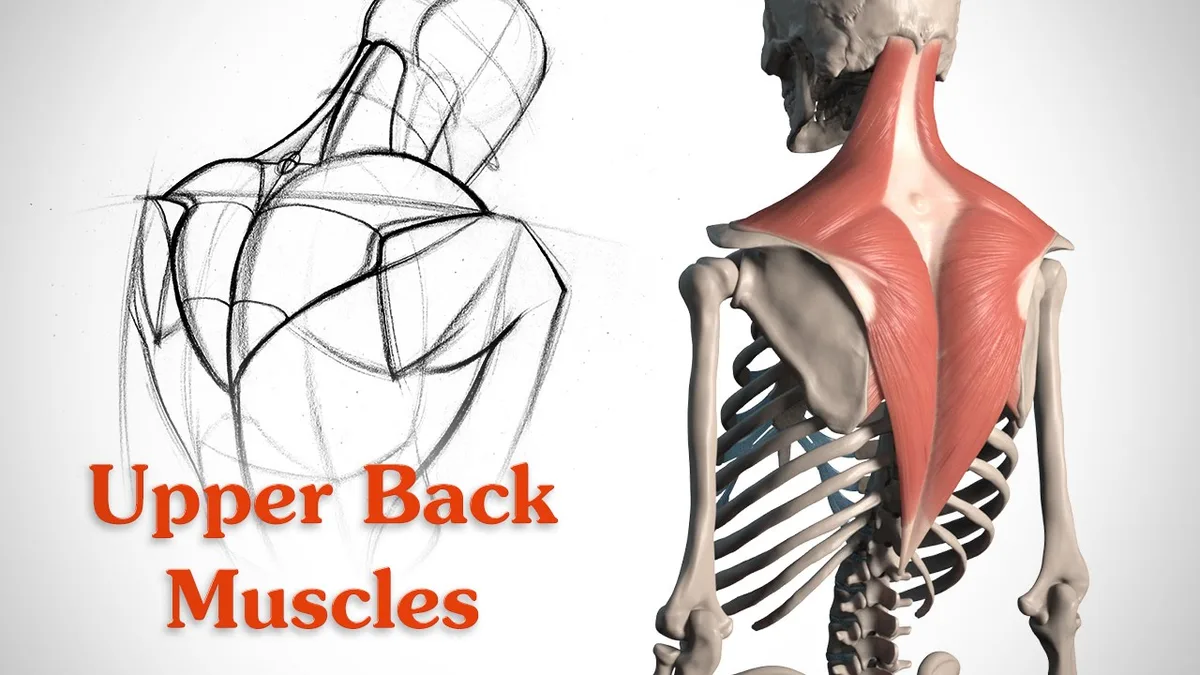
Before you pick up a dumbbell, you need to know what you’re trying to hit. The upper back includes three main muscle groups, and each one does a different job.
| Muscle | Location | Main Function |
|---|---|---|
| Rhomboids (major and minor) | Between your shoulder blades | Retract the scapula (pull shoulder blades together) |
| Posterior deltoid (rear delt) | Back of the shoulder | Extend the shoulder joint, rotate the arm |
| Trapezius (upper, middle, lower) | From neck to mid-back | Elevate, retract, and depress the scapula |
The rhomboids are the ones most people want to feel but can’t. They’re deep and small, and they require precise scapular retraction to activate. The rear delts are slightly bigger and easier to feel, but they still need a specific movement pattern, pulling the arm backward and outward, not just down.
The traps are often overactive. If you’re shrugging the weight up instead of pulling your shoulder blades together, your traps are doing the work. That’s why your shoulders feel tight after a workout, but your upper back still looks the same.
The goal is to shift the load from the traps to the rhomboids and rear delts. That’s what the right exercises and form cues accomplish.
Setup Essentials: Dumbbells, Bench Angle, and Your Hip Hinge
You don’t need much equipment for an upper back workout. But the setup matters more than most people think.
Dumbbells
Choose a weight you can control for 8 to 12 reps with perfect form. For most beginners, that means 10 to 20 pounds for reverse flyes and 20 to 40 pounds for rows. If you can’t feel the upper back working, go lighter.
Weight is useless if the target muscles aren’t doing the work.
Adjustable dumbbells work fine. Fixed dumbbells are better for grip and stability. The grip itself matters, a knurled handle helps you hold the weight without squeezing too hard, which can fatigue your forearms.
Bench Angle
The bench angle changes which part of the upper back gets emphasized. For a standard bent-over row, a flat bench is fine. For reverse flyes, set the bench to a 30 to 45 degree incline.
This opens up your chest and lets your arms move freely backward without hitting the bench.
For single-arm rows, keep the bench flat. Your knee and hand on the bench support your torso while your other arm pulls the dumbbell.
The Hip Hinge
The hip hinge is the foundation of every upper back row. Stand with your feet hip-width apart. Push your hips back as if closing a car door with your glutes.
Keep your back flat, not arched, not rounded. Your torso should be at about a 45 degree angle to the floor.
If you round your lower back, you’re at risk for disc strain. If you arch it, you lose the ability to retract your scapulae properly. The neutral spine is the safe zone.
The 5 Best Dumbbell Exercises for Upper Back Growth
These five exercises cover the full upper back. They’re ordered from most compound to most isolation. You don’t need to do all five in one session.
Pick two or three per workout and rotate them.
1. Dumbbell Bent-Over Row (Two-Arm)
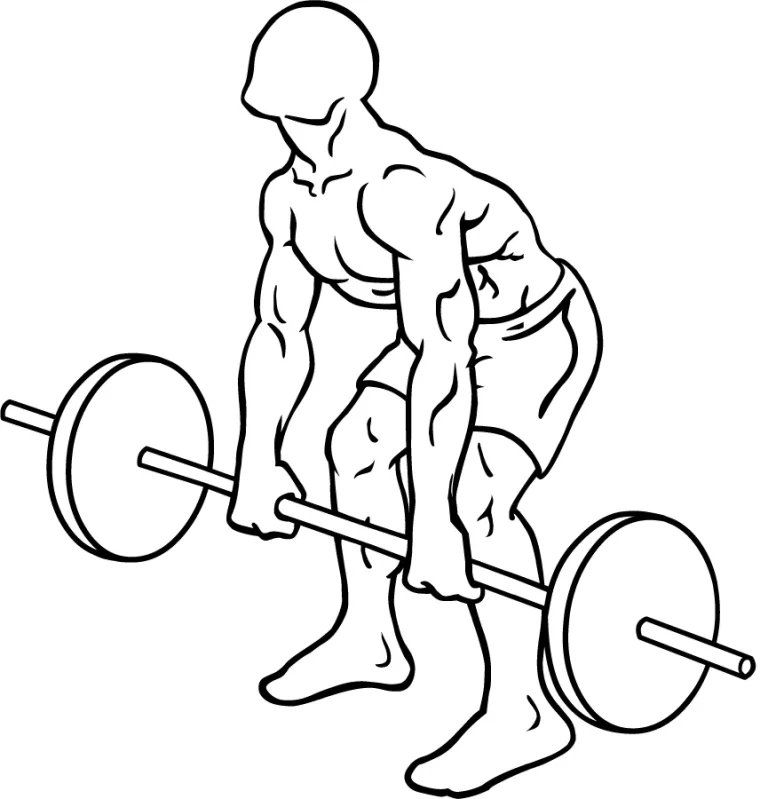
This is the main compound movement. It hits the rhomboids, traps, and rear delts together. Hold a dumbbell in each hand.
Hinge at the hips. Pull both elbows back and squeeze your shoulder blades at the top. Lower with control.
2. Single-Arm Dumbbell Row
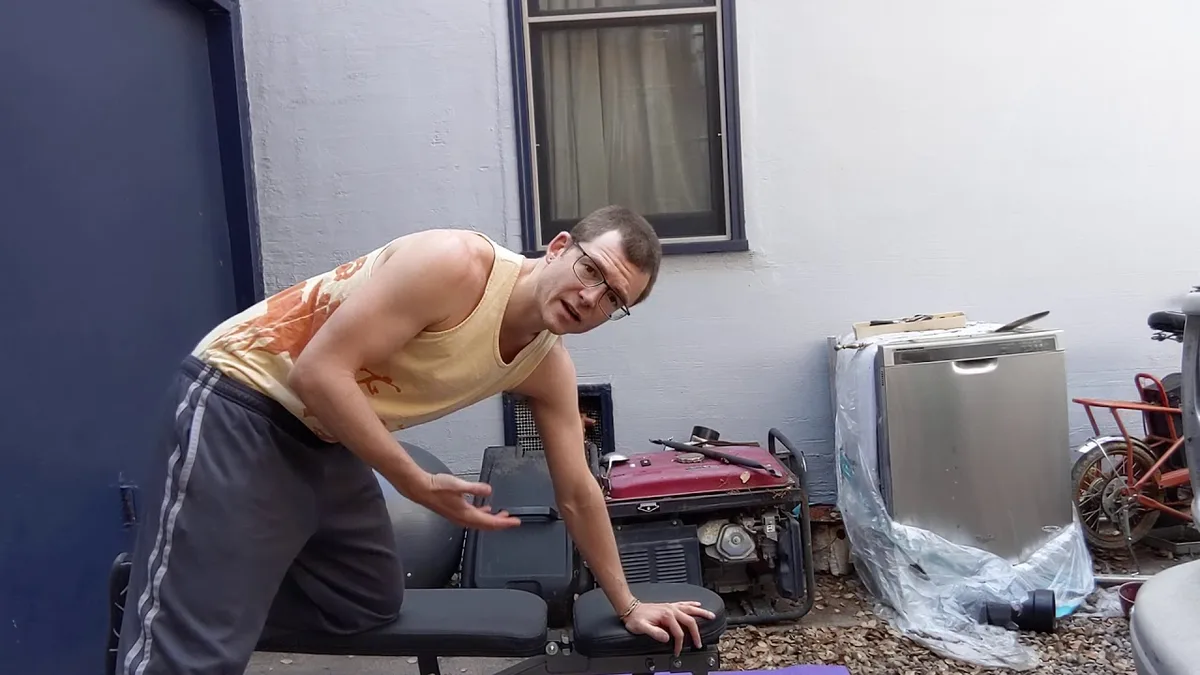
This is the best exercise for addressing imbalances. You can move through a bigger range of motion than with both arms. Place one knee and one hand on a flat bench.
Pull the dumbbell toward your hip, keeping your elbow close to your body. Squeeze at the top.
3. Dumbbell Reverse Fly (Bent-Over or Incline)
This is the purest rear delt exercise. With a light weight, hinge forward or lie chest-down on an incline bench. Start with your arms hanging straight down, palms facing each other.
Raise your arms out to the sides until they’re parallel to the floor. Squeeze at the top.
4. Dumbbell Y-Raise
This targets the lower traps and improves shoulder stability. Lie face-down on an incline bench. Hold a light dumbbell in each hand.
Raise your arms at a 45 degree angle (forming a Y shape) until they’re parallel to the floor. Keep your thumbs pointing up.
5. Dumbbell Pullover
This one hits the lats and the upper back together. Lie across a flat bench with only your upper back supported. Hold one dumbbell with both hands above your chest.
Lower the dumbbell behind your head while keeping your hips down. Pull it back to the starting position using your lats and upper back.
Step-by-Step Form Cues for Each Exercise
Form is everything. Here’s exactly how to execute each of the five exercises.
Dumbbell Bent-Over Row
- Stand with feet hip-width apart, dumbbells in each hand.
- Hinge at the hips until your torso is at a 45 degree angle.
- Let your arms hang straight down, palms facing each other.
- Pull your shoulder blades together first. Then pull the dumbbells toward your lower ribcage.
- Keep your elbows at about a 45 degree angle to your body.
- Squeeze for one second at the top.
- Lower the dumbbells under control, feeling the stretch at the bottom.
Single-Arm Dumbbell Row
- Place your left knee and left hand on a flat bench. Your right foot stays on the floor, hip-width from the bench.
- Keep your back flat. Do not let your torso rotate.
- Grab the dumbbell with your right hand, palm facing your body.
- Pull the dumbbell toward your hip. Your elbow should stay close to your body.
- Squeeze your shoulder blade toward your spine at the top.
- Lower the dumbbell slowly, feeling the stretch.
- Repeat on the other side.
Dumbbell Reverse Fly
- Set a bench to a 30 to 45 degree incline.
- Lie face-down with your chest against the bench. Your feet are on the floor.
- Hold a light dumbbell in each hand, arms hanging straight down, palms facing each other.
- With a slight bend in your elbows, raise your arms out to the sides until they’re parallel to the floor.
- Squeeze your shoulder blades together at the top.
- Lower the dumbbells to the starting position with control.
Dumbbell Y-Raise
- Lie face-down on an incline bench set at 30 degrees.
- Hold a light dumbbell in each hand, arms hanging straight down.
- Keeping your arms straight, raise them at a 45 degree angle (forming a Y) until they’re parallel to the floor.
- Your thumbs should point up at the top.
- Squeeze your lower traps.
- Lower the dumbbells slowly.
Dumbbell Pullover
- Lie across a flat bench with only your upper back and shoulders supported. Your head is off the bench. Your hips are lower than your shoulders.
- Hold one dumbbell with both hands, palms pressed against the inside of the weight plates.
- With a slight bend in your elbows, lower the dumbbell behind your head until you feel a stretch in your lats and upper back.
- Pull the dumbbell back to the starting position using your lats and upper back, not your chest.
- Keep your hips down throughout the movement.
For each exercise, the golden rule is the same: initiate the movement with your scapulae, not your arms. If you feel the pull in your biceps or forearms, you’re using too much weight or pulling with the wrong muscles. A good technique to practice is the one-arm dumbbell row, which isolates the movement and helps you build the mind-muscle connection.