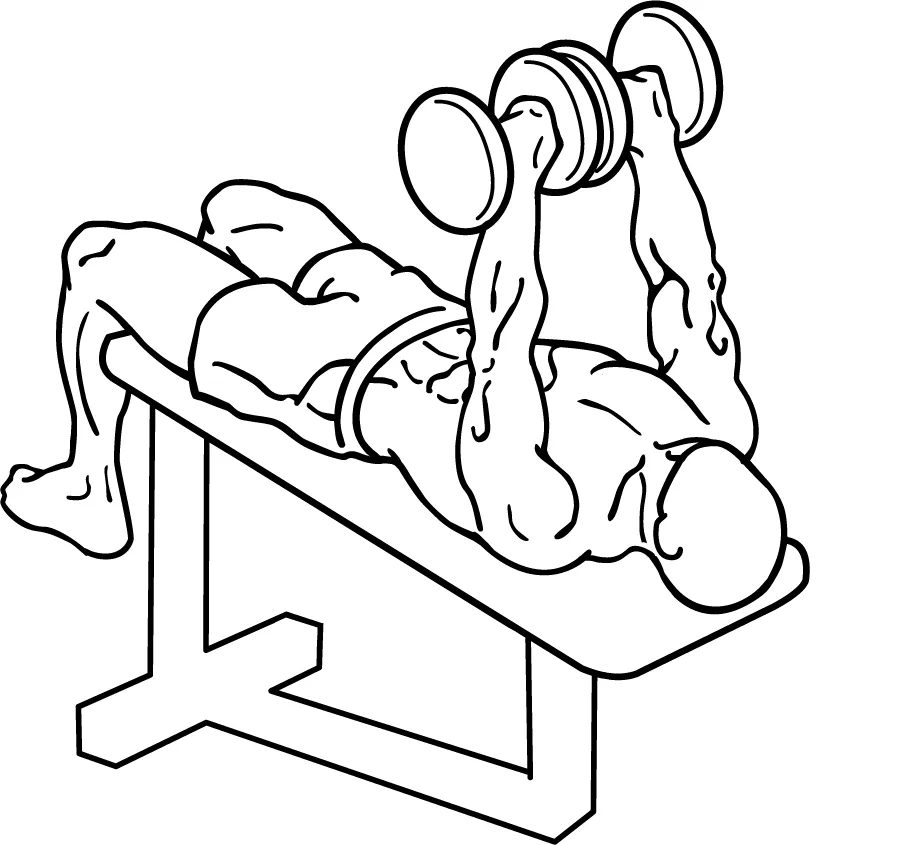
What Do Dumbbell Bench Press Work? Complete Guide
If you want to build a stronger chest, you probably want to know exactly what do dumbbell bench press work before loading up the heavy weights. This movement is a staple for everyone from beginners to elite lifters. It offers a deeper stretch and more natural joint rotation than a standard barbell.
Pressing with independent weights forces both sides of your body to carry their own load. This eliminates muscle imbalances and builds highly functional pressing strength.
Biomechanical data from the National Strength and Conditioning Association confirms that independent arm movement significantly increases muscle activation. You trigger more growth across your pectorals while forcing your body to stabilize the weight dynamically. Understanding the exact muscle groups you target helps you execute the lift safely and efficiently.
Quick Answer
The dumbbell bench press primarily works the pectoralis major.
It heavily recruits your anterior deltoids and triceps.
Your rotator cuff activates to stabilize the shoulder joint.
Your core engages to keep your torso perfectly flat.
Adjusting the bench angle shifts the targeted chest zone.
The Short Answer: Which Muscles Take the Load?
Every pressing motion in the gym requires a massive coordinated effort. Your body relies on primary movers to do the heavy lifting. Secondary movers assist in the pressing phase to complete the repetition.
Finally, stabilizer muscles fire up to keep your joints strictly in place. Read more: How to Perform a Single-Arm Dumbbell Row.
The dumbbell bench press is a compound exercise. This means it uses multiple joints and muscle groups simultaneously. The primary joints involved are the shoulder joint and the elbow joint.
Working with free weights adds a layer of instability. Your muscles have to work exceptionally hard just to keep the weights from tilting or wobbling. This distinct challenge makes the dumbbell press uniquely effective for full upper body development.
Primary Movers: Targeting the Pectoralis Major
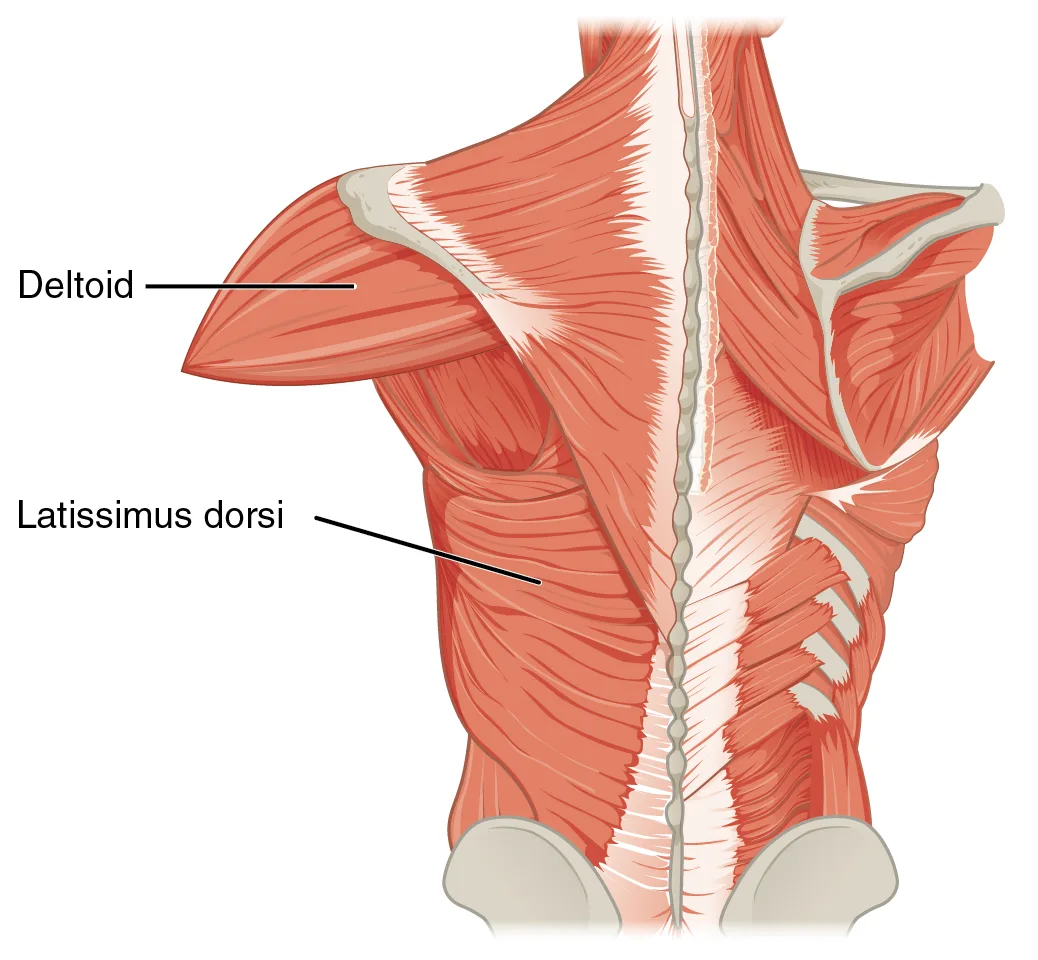
Image source: Wikimedia Commons / OpenStax College (CC BY)
The primary target of any chest press is the pectoralis major. This large, fan-shaped muscle stretches tightly across your upper chest. It originates at your collarbone and sternum before connecting to your upper arm bone.
The main job of the pectoralis major is horizontal adduction. This simply means bringing your arms forward and across your body. The dumbbell press allows for a massive range of motion in this exact plane.
You can shift the tension across different areas of the chest by changing the angle of your bench. The exact angle dictates which muscle fibers fire the hardest.
The Flat Bench Focus (Mid-Chest)
The traditional flat dumbbell press targets the sternal head of the pectoralis major. This is the largest and thickest portion of your chest muscle.
Lying flat allows you to press the heaviest amount of weight. The movement path directly opposes gravity over the center of your chest. This creates maximum mechanical tension across the entire pectoral slab.
The Incline Bench Focus (Upper Chest)
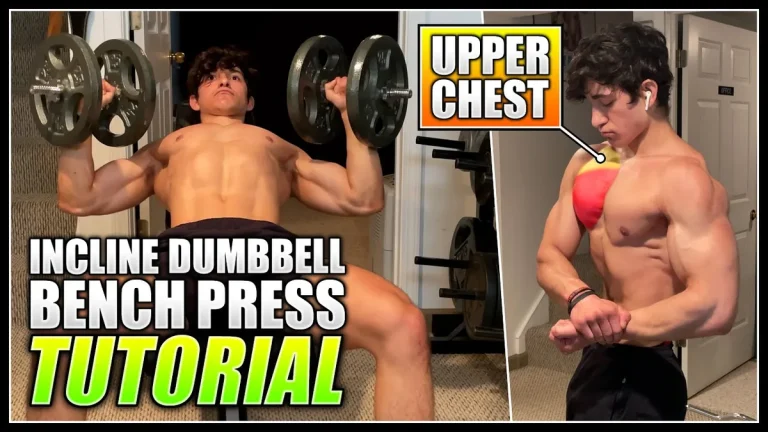
Raising the bench to a 15 to 30-degree angle changes the game. An incline setup shifts the majority of the load onto the clavicular head. This is the upper portion of the chest just below your collarbone.
Building the upper chest creates a fuller and rounder visual look. It requires slightly lighter weights because the angle isolates a smaller muscle group. Our research indicates that going beyond a 45-degree tilt shifts too much work onto the front shoulders.
The Decline Bench Focus (Lower Chest)
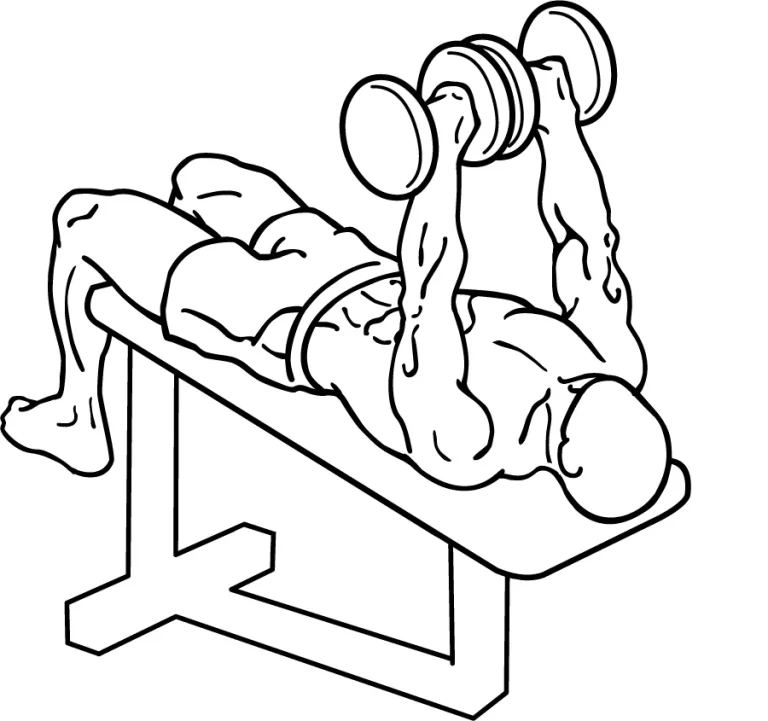
Dropping the bench to a slight downward angle engages the abdominal head of the chest. This lower portion creates the sharp visual line at the bottom of the pecs.
A decline angle reduces the range of motion slightly. It also takes nearly all the tension off the shoulder joint. Lifters with nagging shoulder pain often find the decline press much more comfortable.
Secondary Movers: The Triceps and Front Delts
You cannot press a heavy pair of dumbbells using only your chest. Your anterior deltoids sit directly on the front of your shoulders. They fire up alongside the pectoralis major to push the weight away from your torso.
Your triceps brachii sit on the back of your upper arms. Their primary function is to straighten your elbow joint. The triceps take over the heavy lifting during the top half of the bench press movement.
When your elbows bend deeply at the bottom of the lift, the chest does the work. As you press up and straighten your arms, the triceps lock the weight securely overhead. This synergy builds powerful pressing strength.
Stabilizer Muscles: What Keeps You from Wobbling
Pressing two separate weights requires immense muscular control. Your stabilizer muscles prevent your arms from collapsing inward or shaking uncontrollably. They provide the secure anchor point your chest needs to press forcefully.
Without strong stabilizers, your form breaks down quickly. You will waste energy trying to balance the dumbbells instead of pushing them. Explore the How to Dumbbell Incline Bench Press.
The Rotator Cuff and Upper Back
Your rotator cuff works entirely behind the scenes. This group of four small muscles keeps the ball of your shoulder firmly inside its socket. The instability of dumbbells forces your rotator cuff to work twice as hard as in a barbell press.
Your upper back muscles also play a critical role. Your rhomboids and latissimus dorsi literally pin your shoulder blades to the bench pad. As of 2026, kinesiology experts continue to praise the dumbbell press for building highly durable and stable shoulders.
The Core and Lower Body Drive
Your chest cannot fire at full power if your torso is loose. Your abdominal muscles clench tightly to brace your spine and prevent twisting.
Your glutes and quadriceps also engage to anchor your lower body. Planting your feet hard into the floor transfers structural power safely up into your torso. This leg drive keeps your chest positioned beautifully for the push.
Dumbbells vs. Barbells: Biomechanical Advantages
Many lifters eventually choose dumbbells over barbells for their chest workouts. Both methods build incredible muscle mass. The free weights simply offer distinct advantages for joint health and isolated tension.
A barbell locks your hands into a rigid straight line. Your wrists and elbows cannot rotate naturally throughout the lift. Dumbbells allow your hands to pivot and find an angle that feels completely natural for your joints.
| Feature | Dumbbell Press | Barbell Press |
|---|---|---|
| Range of Motion | Extended depth at the bottom | Stopped safely at the chest |
| Muscle Imbalances | Forces are equal on both arms | The stronger side can easily compensate |
| Joint Comfort | Allows natural wrist rotation | Hands are locked into position |
| Setup Difficulty | Requires kicking the weights up | Lift is un-racked directly overhead |
Dumbbells allow for a deep stretch that a barbell physically blocks. You can lower the weights past your torso line. This maximizes muscle fiber tearing and subsequent growth.
Step-by-Step Execution for a Safe, Pain-Free Press
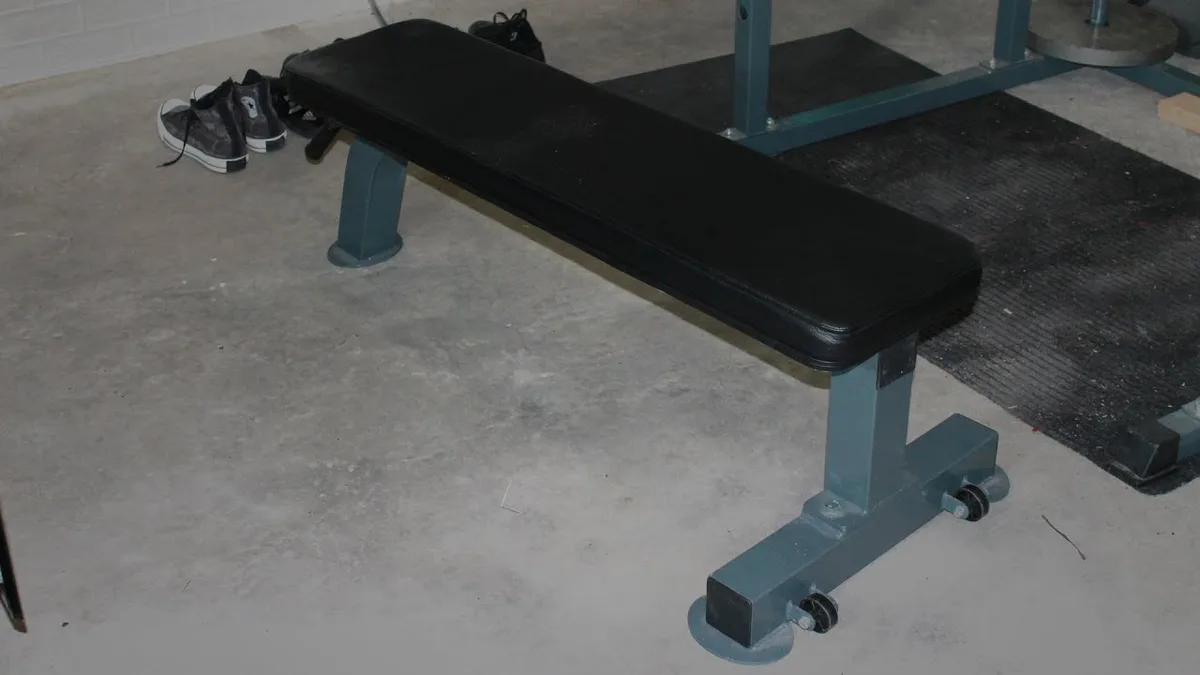
Image source: YouTube / Brandon Hahn (YouTube thumbnail (fair-use with source credit))
Executing the lift safely requires a strict setup routine. Tossing heavy weights into position carelessly is a fast track to a shoulder injury. Precision matters before you even begin the first repetition. Learn More: Bigger Chest Using Dumbbells.
You need to establish tension from the very beginning. The setup dictates the safety and power of the entire set.
Step 1: The Knee Kick-Up
Getting heavy dumbbells into the starting position is a major logistical hurdle. You cannot simply muscle them up from the floor while lying down.
Sit on the edge of the bench with the dumbbells resting vertically on your thighs. Roll backward onto the bench while simultaneously driving your knees up toward your chest. Use the momentum of your kicking legs to launch the weights directly above your shoulders.
Step 2: Establishing the Five-Point Base
You need a rock-solid foundation to press heavy weights without sliding. Do not lie limply on the bench pad.
Plant your left foot and right foot firmly on the smooth gym floor. Flex your glutes forcefully to lock your hips into place. Drive your upper back aggressively into the pad and keep your head resting flat.
This five-point contact base guarantees maximum leverage.
Step 3: The 45-Degree Elbow Tuck
Elbow positioning determines whether you build your chest or destroy your shoulders. You must protect your joint capsule.
Do not flare your elbows out smoothly at a 90-degree angle from your body. This exposes the shoulder joint to severe impingement risk under heavily loaded weights. Tuck your elbows down toward your ribs at a 45-degree angle.
This aligns your forearm directly beneath the weight.
Step 4: The Converging Press
Take a deep breath to brace your core muscles. Lower the weights slowly with utter control until you feel a deep stretch across your chest.
Press the dumbbells upward and slightly inward. Unlike a barbell straight up and down path, dumbbells follow an arched trajectory. Let the weights converge slightly at the top without aggressively banging them together.
Exhale sharply as your elbows lock out.
Common Form Mistakes That Cause Joint Injury
Lifting the butt off the bench pad is a dangerous instinct. Lifters do this to cheat the angle and recruit their lower chest for a mechanical advantage. This hyperextends the lower back and guarantees a future spinal injury.
Keep your hips pinned down.
Failing to retract the shoulder blades is another massive error. If your shoulders roll forward off the pad, the tension leaves the chest entirely. The weight shifts directly onto the fragile anterior deltoid joint.
You must aggressively pinch your shoulder blades together like you are holding a pencil between them.
Bent wrists will also ruin your workout quickly. Letting the heavy dumbbell roll backward stretches the wrist tendons under extreme tension. Keep your knuckles pointing directly toward the ceiling to stack the weight safely over your forearm bones.
Safety First: Spotting and Bailing Heavy Dumbbells
Pushing to failure with dumbbells requires a spotter who understands the mechanics. Spotting a barbell is easy. Spotting two independent flying weights requires precision.
A spotter should always guide the lifter by grabbing firmly at the wrists. Never spot someone by pushing up on their elbows. If the lifter drops the weight inward or backwards, pushing their elbows up only accelerates the danger.
Pushing their wrists keeps the load securely over their body.
If you are training completely alone without a spotter, you need to know how to bail. Never drop the weights straight down onto your chest or outwards onto your shoulders. Keep your arms locked and rotate your body slightly.
Carefully guide the weights down to the gym floor beside your hips in a controlled drop.
Who Gets the Most Out of Dumbbell Pressing?
Beginners benefit massively from dumbbell bench sessions. Using independent weights exposes weak points quickly. If a novice has a weak left side, the dumbbell will wobble violently and reveal the imbalance instantly.
Bodybuilders favor free weights because of the extreme muscle tension at the bottom of the stretch. The expanded range of motion is unmatched for pure chest hypertrophy. They can recruit muscle fibers that a barbell simply glides right past.
Athletes recovering from nagging shoulder pain often switch entirely to dumbbells. A neutral grip allows the palms to face each other. This rotated grip completely opens up the shoulder joint and removes friction from inflamed tendons during the press.
Frequently Asked Questions
How deep should you go on a dumbbell bench press?
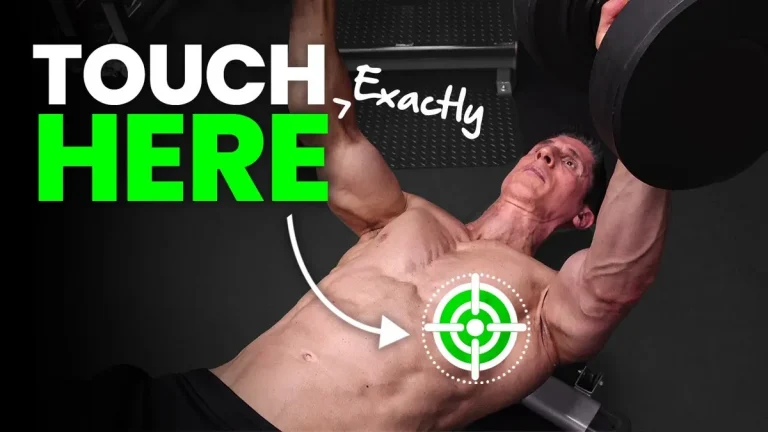
You should lower the weights until they lightly touch the outside edge of your chest. This ensures a full range of motion. Stopping early limits muscle growth.
Only shorten the range if you feel sharp joint pain.
Why is my dumbbell press so much weaker than my barbell bench?
Your body wastes tremendous energy balancing independent weights. A barbell provides a stable, rigid tracking path. You also lift the bar with both arms simultaneously.
It is completely normal to dumbbell press roughly 20 percent less than your flat barbell maximum.
Can you build a big chest with only dumbbells?
Absolutely. Dumbbells provide a superior mechanical stretch compared to specialized machines or barbells. High-volume training matched with a deep range of motion stimulates heavy pectoral growth.
Many top professional bodybuilders refuse to use barbells for chest sessions.
How do I stop my shoulders from popping during the press?
Shoulder popping is often caused by an incorrect elbow angle. Make sure your elbows are tucked at roughly 45 degrees rather than flared out parallel to the shoulders. Actively pinching your shoulder blades tight to the bench pad also stabilizes the joint capsule.
Are adjustable dumbbells safe for highly heavy bench pressing?
High-quality adjustable dumbbells are exceptionally safe for pressing. Manufacturer specifications indicate clear locking mechanisms that prevent plate drops. You must regularly inspect the locking dials before lifting heavy loads overhead.
Never aggressively slam adjustable weights together at the top of a repetition.
Step-by-Step Execution for a Safe, Pain-Free Press
Image source: YouTube / Brandon Hahn (YouTube thumbnail (fair-use with source credit))
Lifting carefully protects your shoulder joint capsule. You need a strict setup routine before pressing heavy loads. Precision matters heavily before you even begin the first repetition.
You must establish tension from the very beginning. Your physical setup dictates the safety and power of the entire working set.
Step 1: The Knee Kick-Up
You cannot safely pull heavy weights from the floor while lying flat. This awkward motion risks tearing a bicep or straining your lower back. Sit on the bench edge with the dumbbells resting vertically on your thighs.
Roll backward smoothly while simultaneously driving your knees up toward your chest. This leg momentum launches the weights directly above your shoulders. You are now safely in the starting position.
Step 2: Establishing the Five-Point Base
Do not lay limply on the bench pad. Plant your left foot and right foot firmly on the gym floor. Flex your glutes forcefully to lock your hips tightly into place.
Drive your upper back aggressively into the pad and keep your head resting flat. This five-point contact base guarantees maximum bodily leverage. You will immediately notice better stability.
Step 3: The 45-Degree Elbow Tuck
Elbow positioning determines whether you build your chest or damage your shoulders. Never flare your elbows freely at a 90-degree angle from your torso. This exposes the shoulder joint to severe impingement risks under heavy loads.
Tuck your elbows down toward your ribs at roughly a 45-degree angle. This aligns your forearms directly beneath the load. It also shifts the pressing tension directly back onto the pectoralis major.
Step 4: The Converging Press
Take a deep breath to brace your core muscles tightly. Lower the weights slowly until you feel a deep stretch across your chest.
Press the dumbbells upward and slightly inward toward your centerline. Let the weights converge slightly at the top without banging them together. Banging the weights removes tension from the chest.
Exhale sharply as your elbows lock out.
Common Form Mistakes That Cause Joint Injury
Lifting your butt off the bench pad is a dangerous lifting instinct. Many lifters do this to cheat the bench angle and recruit their lower chest. This heavily hyperextends the lower back and guarantees a future spinal injury.
Keep your hips pinned deeply down into the pad.
Failing to retract the shoulder blades is another massive beginner error. If your shoulders roll forward, the physical tension leaves the chest entirely. The dead weight shifts directly onto the fragile anterior deltoid joint.
You must aggressively pinch your shoulder blades together.
Bent wrists will also ruin your workout quickly. Letting the heavy dumbbell roll backward stretches the wrist tendons painfully. Keep your knuckles pointing directly toward the ceiling to stack the weight safely over your forearm bones.
Safety First: Spotting and Bailing Heavy Dumbbells
Pushing to failure with dumbbells requires a spotter who fully understands the mechanics. Spotting two independent flying weights requires serious precision. A spotter should always guide the lifter by grabbing firmly directly at the wrists.
Never spot someone by pushing up on their elbows. Pushing their elbows up accelerates the physical danger if they drop the weight inward. Pushing their wrists keeps the load securely balanced over their body instead.
If you are training completely alone, you absolutely need to know how to bail safely. Never drop the weights straight down onto your chest. Keep your arms locked and rotate your body slightly.
Carefully guide the weights down to the floor beside your hips in a highly controlled drop.
Who Gets the Most Out of Dumbbell Pressing?
Beginners benefit massively from dumbbell bench sessions. Using independent weights exposes muscular weak points quickly. If a novice has a weak left side, the dumbbell will wobble violently and reveal the imbalance instantly.
Data from the American College of Sports Medicine highlights that unilateral training effectively corrects these muscular imbalances over a standard training block.
Competitive bodybuilders heavily favor free weights because of the extreme muscle stretch. The expanded range of motion is unmatched for pure chest hypertrophy. They can recruit deep muscle fibers that a standard rigid barbell simply cannot reach.
Athletes recovering from nagging shoulder pain often switch entirely to dumbbells. A neutral grip allows the palms to face each other. This rotated grip opens up the shoulder joint wonderfully and removes friction from inflamed shoulder tendons.
Common Questions About Dumbbell Chest Workouts
How deep should you go on a dumbbell bench press?
You should lower the weights until they lightly touch the outside edge of your chest. This guarantees a full, healthy range of motion. Stopping early severely limits muscle growth.
Only shorten the pressing range if you feel sharp joint pain.
Why is my dumbbell press so much weaker than my barbell bench?
Your body wastes tremendous kinetic energy balancing independent weights. A rigid barbell provides a highly stable tracking path. You also lift a barbell with both arms simultaneously.
It is completely normal to dumbbell press roughly 20 percent less than your flat barbell maximum.
Can you build a big chest with only dumbbells?
Absolutely. Dumbbells provide a vastly superior mechanical stretch compared to specialized machines. High-volume training matched with a deep range of motion stimulates heavy pectoral growth. Read more Shoulder Workout with Dumbbells.
Many top bodybuilders refuse to use barbells for chest sessions entirely.
How do adjustable dumbbells handle heavy weights?
High-quality adjustable dumbbells are exceptionally safe for flat pressing. As of 2026, manufacturer specifications dictate strict dual-locking mechanisms that prevent plate drops. You must regularly inspect the locking dials before lifting heavy loads overhead.
Never aggressively slam adjustable weights together at the top of a repetition.