Can Dumbbells Replace Barbells? A Complete Guide for Lifters
If you’re building a home gym or just trying to get stronger without a ton of equipment, you’ve probably asked yourself this. Can Dumbbells Replace Barbells? It’s a fair question, and one that doesn’t have a one-size-fits-all answer.
The truth is, both tools have distinct strengths, and the right choice comes down to your goals, space, and budget.
Manufacturer specs for Olympic barbells show they can handle well over 1,000 pounds of load, while even the best adjustable dumbbells top out around 120 to 150 pounds per hand. That gap alone tells you a lot about where each tool shines. But there’s more to it than just raw weight capacity.
Let’s break down what matters most.
Why This Question Matters More Than You Think
This isn’t just a theoretical debate. It’s a real decision that affects how you train, how much you spend, and how much room you need. A full barbell setup with a rack takes up a dedicated corner of a garage or basement.
A set of quality dumbbells fits in a closet. If you’re short on space, that’s a huge factor.
Cost is another big one. A decent Olympic barbell and a set of iron plates can run you $400 to $800 new. A full set of fixed dumbbells from 5 to 50 pounds costs roughly the same.
But a pair of adjustable dumbbells that covers that same range might only set you back $200 to $400. The numbers add up fast.
Then there’s the training itself. Barbells let you load up heavy for compound lifts like the squat, bench press, and deadlift. Dumbbells give you more freedom of movement and force each side to work independently.
If you’re trying to build muscle, improve symmetry, or rehab an injury, dumbbells might be the better play. If you’re chasing strength records, you’ll need a barbell.
Our research shows that most home gym owners end up with both. But if you can only buy one, the answer depends on what you’re training for. Let’s get into the specifics.
Quick Answer
Dumbbells can replace barbells for most hypertrophy and general fitness goals. They cannot replace barbells for maximal strength training in the big three lifts. The choice comes down to your primary training objective.
If you want to get stronger at squatting, benching, and deadlifting heavy weight, you need a barbell. If you want to build muscle, improve balance, and train safely at home, dumbbells are often the better pick.
Dumbbell vs Barbell: The Core Differences That Matter
How Loading Works (and Why It Changes Everything)
The biggest difference is how much weight you can put on the bar versus in your hands. An Olympic barbell itself weighs 45 pounds, and you can add plates up to 1,500 pounds depending on the bar’s rating. Dumbbells, even the heavy-duty commercial ones, rarely go beyond 150 pounds per hand.
For most people, that’s plenty. But if you’re a strong lifter pushing toward a 300-pound bench press or a 400-pound squat, you’ll run out of dumbbell weight long before you run out of strength.
Loading increments also matter. With a barbell, you can add 2.5 pounds or even 1.25 pounds per side using change plates. That lets you progress slowly and steadily.
With dumbbells, especially fixed sets, you’re often jumping 5 or 10 pounds at a time. That’s a big leap for smaller muscle groups like shoulders or biceps. Adjustable dumbbells narrow that gap, but they still can’t match the precision of a barbell setup.
Range of Motion, Stability, and Muscle Activation
Dumbbells allow a greater range of motion on most exercises. Think about a dumbbell bench press. At the bottom of the rep, your hands can drop below the level of the bench, stretching the chest more deeply.
A barbell stops at your sternum. That extra stretch can stimulate more muscle growth, especially in the chest and shoulders.
But there’s a trade-off. Barbells are more stable. The bar locks your hands into a fixed position, which lets you push more weight overall.
Dumbbells require more stabilizer muscle activation to keep the weights balanced. That’s great for joint health and coordination, but it also limits how much weight you can handle. Per the National Strength and Conditioning Association, unilateral training like dumbbell work can reduce the load you can lift by 10 to 20 percent compared to bilateral barbell work.
Unilateral vs Bilateral Training: The Hidden Trade-Off
Dumbbells force each side of your body to work independently. That’s a huge advantage if you have a muscle imbalance or a weaker side. You can’t cheat by letting your dominant arm or leg take over.
Barbells let your stronger side compensate, which can mask weaknesses and lead to uneven development over time.
If you’re serious about fixing imbalances, dumbbells are the better choice. Exercises like a single-arm dumbbell row or a single-leg dumbbell squat let you target each side separately. Proper form becomes even more important when you’re handling heavy loads, and that’s where a dedicated guide can help.
What Dumbbells Do Better (and Where They Fall Short)
The Case for Dumbbells: Safer, More Range, Less Spine Load
Dumbbells are safer to fail on. If you can’t lock out a heavy bench press with a barbell, you’re stuck under the bar. With dumbbells, you just drop them to the sides.
That’s a big deal if you train alone at home without a spotter.
The range of motion advantage we mentioned earlier is real. Dumbbells also let you vary your grip angle. You can rotate your wrists, use a neutral grip, or adjust the angle to hit different parts of a muscle.
That’s hard to do with a barbell.
For spinal health, dumbbells are gentler. Exercises like goblet squats and dumbbell deadlifts put less compressive load on the spine compared to a barbell back squat or conventional deadlift. If you have a history of back issues, that’s worth considering.
The Limits: Weight Ceilings, Awkward Loading, and Progress Plateaus
The biggest downside is the weight ceiling. Once you get past about 80 pounds per hand, handling dumbbells becomes awkward. Getting them into position for a bench press or overhead press requires a lot of effort and can be risky.
You can’t just load more plates like you can with a barbell.
Progress plateaus are another issue. If your dumbbells only go up in 5-pound increments, you might find yourself stuck at a weight that’s too easy for one rep range but too hard for the next. With a barbell, you can add 2.5 pounds and keep moving forward.
Cost per pound is also higher for dumbbells, especially fixed sets. A full set from 5 to 100 pounds can cost thousands. Adjustable dumbbells are more affordable, but they have their own trade-offs in durability and convenience.
What Barbells Do Better (and Where They Fall Short)
The Case for Barbells: Heavier Loads, Precise Progression, Efficient Compound Lifts
If your goal is to get as strong as possible, barbells are the way to go. They let you load up more weight than dumbbells ever could. That’s critical for building raw strength in the squat, bench press, and deadlift.
Aggregate reviews from strength athletes confirm that barbell training is the most efficient way to drive progress in the big compound lifts.
Progressive overload is also easier with a barbell. You can add 2.5 pounds, 1.25 pounds, even 0.5 pounds if you have micro plates. That fine control lets you push past plateaus without jumping up in weight too fast.
Barbells are also more time-efficient. You can do a full-body workout with just a barbell and a bench. No switching between dozens of dumbbells.
That’s a big plus for busy lifters.
The Limits: Space, Spotting Needs, and Dominant Side Compensation
Barbells need more space. You need a rack or a stand for squats and bench presses. You need enough floor space to set up a deadlift.
That’s a lot of room compared to a small dumbbell rack.
Spotting is a real concern. If you bench press heavy alone, you need safety bars or a spotter. That’s not always an option at home.
Dumbbells let you bail out easily.
And as we mentioned, barbells let your dominant side compensate. Over time, that can lead to muscle imbalances. If you’re not careful, you might end up with a stronger right side and a weaker left side, which can affect your posture and movement.
Dumbbell vs Barbell for Key Exercises: Bench, Squat, Press, Row, Deadlift
To make this practical, let’s run through the five main compound lifts and see how each tool performs.
| Exercise | Dumbbell Verdict | Barbell Verdict |
|---|---|---|
| Bench Press | Deeper stretch, safer bail, less weight | Higher load, more stable, needs spotter |
| Squat | Goblet or dumbbell front squat, lighter load | Back squat, heaviest load, requires rack |
| Overhead Press | Neutral grip option, easier on shoulders | Strict press, heavier loads, more stable |
| Row | Single-arm, better range, anti-rotation | Pendlay or bent-over row, heavier loads |
| Deadlift | Romanian or single-leg, less spine load | Conventional or sumo, max strength focus |
Bench press: Dumbbells win for chest development and safety. The deeper stretch hits the pecs harder. The barbell wins for raw strength.
If you want a bigger bench number, you need the bar.
Squat: Dumbbells work for goblet squats and lunges. You can build serious leg size this way. But for maximal lower body strength, the barbell back squat is unmatched.
The loading capacity alone makes it the choice for powerlifters.
Overhead press: Dumbbells let you use a neutral grip, which is much friendlier to your shoulders. A barbell strict press allows heavier loads but can aggravate rotator cuff issues over time. If you have shoulder problems, stick with dumbbells.
Row: The single-arm dumbbell row gives you a huge range of motion and forces your core to stabilize. You can also correct imbalances easily. The barbell row lets you handle more weight, but it’s harder on your lower back.
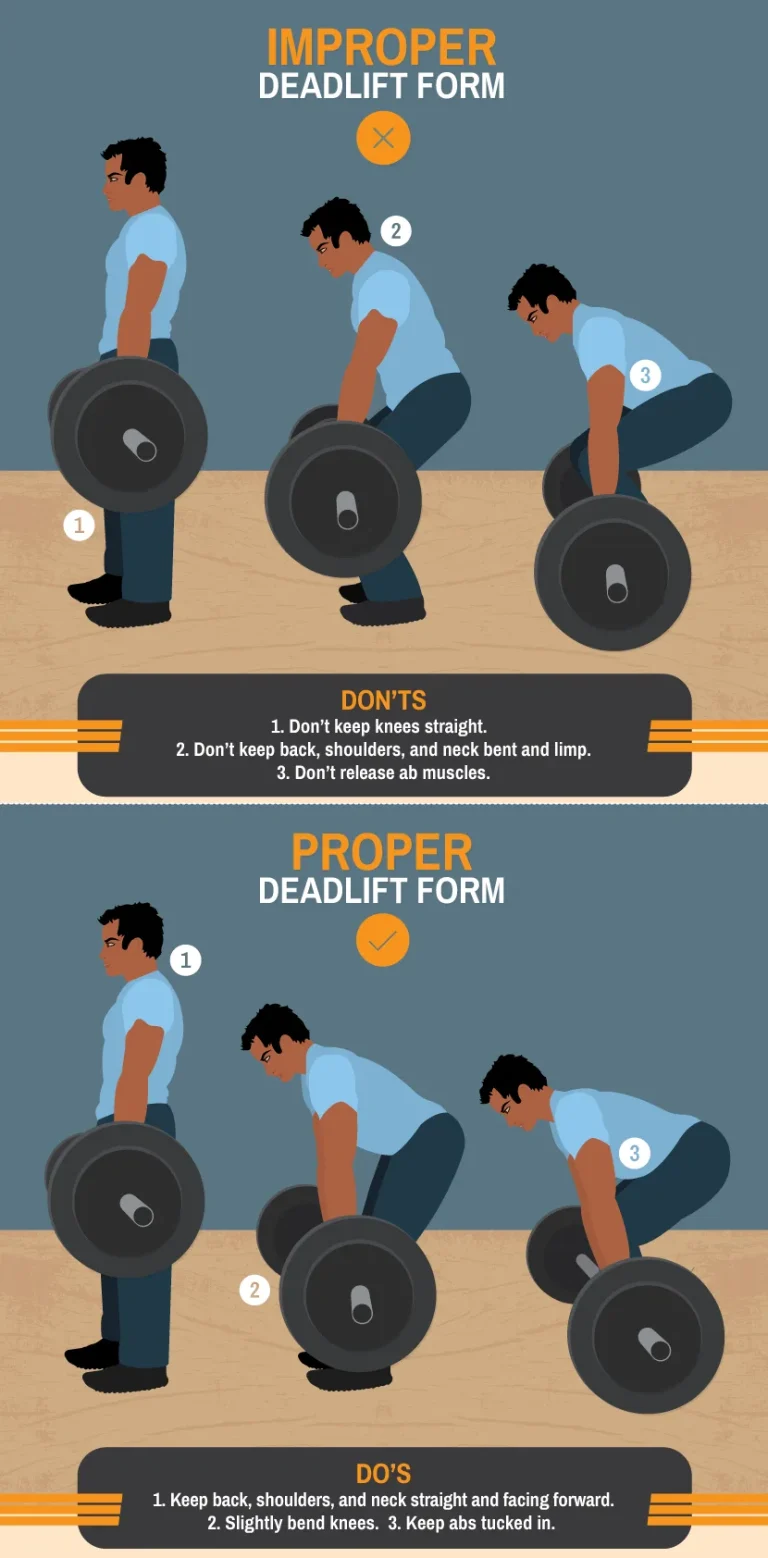
Deadlift: Dumbbell deadlifts (Romanian or single-leg) are excellent for hamstring development and back health. They put less compressive load on your spine. Barbell deadlifts are the gold standard for overall posterior chain strength, but they require solid technique.
Who Should Choose Dumbbells (and Who Needs a Barbell)
Home Gym Lifters, Rehab, and General Fitness
If you train alone in a small space, dumbbells are the smarter buy. You don’t need a rack or a spotter. You can store them under a bed or in a closet.
A pair of adjustable dumbbells gives you a full range of weights without taking up much room.
For rehab and injury recovery, dumbbells are safer. You can control the load more precisely and work each side independently. If you’re coming back from a shoulder, back, or knee issue, dumbbells let you ease in without heavy compression on the spine.
For general fitness and muscle building, dumbbells are enough. You can train every muscle group effectively. Many people build impressive physiques using only dumbbells.
The key is progressive overload and consistent effort.
Strength Athletes, Powerlifters, and Heavy Load Seekers
If your goal is to compete in powerlifting or push your squat, bench, and deadlift to the limit, you need a barbell. There’s no substitute for the loading capacity and stability it provides. Dumbbells can’t replicate the feel of a heavy barbell on your back or in your hands.
Even for non-competitive strength training, if you want to move really heavy weight, a barbell is essential. The ability to add 2.5 pounds per side and keep progressing over months and years is something dumbbells can’t match.
Beginners, Older Adults, and Travel Trainers
If you’re new to lifting, start with dumbbells. They’re more forgiving, safer to learn with, and let you build a foundation of stability and coordination. The risk of injury is lower, and you can focus on proper form without the pressure of a heavy bar.
For older adults, dumbbells are ideal. They allow controlled, joint-friendly movements. You can perform exercises like goblet squats, dumbbell deadlifts, and overhead presses without stressing the spine.
Maintaining muscle mass and bone density is achievable with dumbbells alone.
For travelers, hotel gyms almost always have dumbbells but rarely have a barbell. If you’re on the road frequently, getting comfortable with dumbbell training ensures you never miss a workout.
Cost, Space, and Setup Time: What Each Option Really Costs You
Let’s talk money and square footage.
| Factor | Dumbbells | Barbell Setup |
|---|---|---|
| Initial cost | $200-$600 (adjustable pair) | $400-$1,000 (bar, plates, rack) |
| Space needed | 2×3 feet (adjustable) | 6×6 feet (rack) |
| Weight range | 5-120 lbs per hand | 45-500+ lbs total |
| Setup time per exercise | 5-10 seconds (pick up) | 30-60 seconds (load plates) |
| Long-term cost | Higher per lb for fixed sets | Lower per lb for plates |
A good adjustable dumbbell set like the PowerBlock or Bowflex models covers 5 to 50 pounds for around $300 to $400 as of 2026. That’s a complete home gym in a small footprint. A barbell, rack, and plates might cost twice that and take up four times the space.
But the barbell setup scales better. You can add plates over time without buying new equipment. With dumbbells, if you outgrow your set, you need to buy heavier ones.
That’s a hidden cost.
Setup time matters too. With a barbell, you have to load plates, change collars, and adjust the rack height. With dumbbells, you grab and go.
That adds up over a workout.
Common Mistakes People Make When Choosing (or Replacing One With the Other)
Thinking dumbbells are always safer. They’re safer to bail on, but you can still injure yourself with poor form. Dropping a heavy dumbbell on your foot is no joke. And trying to get a 100-pound dumbbell into position for a press can tweak your shoulder.
Assuming you can’t build muscle with dumbbells. That’s false. Many lifters have built impressive size using only dumbbells. The key is progressive overload, proper form, and enough volume.
Our research shows that dumbbell training can be just as effective for hypertrophy as barbell training.
Buying a cheap barbell to save money. A low-quality barbell can bend, have poor knurling, or spin unevenly. That’s dangerous and frustrating. A good barbell is an investment.
If you’re going barbell, spend at least $200 on a reputable brand.
Forgetting about the weight jump. With fixed dumbbells, you might go from 40 to 45 pounds. That’s a 12.5 percent increase. For smaller muscle groups, that’s a big jump.
You might need to adjust your rep scheme or use slower tempos to make it work.
Ignoring the need for a spotter with a barbell. If you bench press heavy alone without safety bars, you’re taking a real risk. Dumbbells let you bail out easily. Don’t trade safety for ego.
Expert Tips for Getting the Best of Both Worlds
Most people benefit from using both tools. Here’s how to combine them effectively.
Use barbells for the heavy compound lifts. Squat, deadlift, and bench press with a barbell when you want to push your strength. Use dumbbells for accessory work like rows, lunges, and curls.
If you only have dumbbells, focus on unilateral work. Do single-arm rows, single-leg squats, and alternating presses. This forces your core to work harder and corrects imbalances. The single-arm dumbbell row is one of the best back exercises you can do.
Use dumbbells for warm-ups and finishers. Before heavy barbell work, do a few light sets with dumbbells to activate the muscles and improve blood flow. After your main lifts, use dumbbells for high-rep finishers to push muscle growth.
If you’re stuck on a barbell lift, try dumbbells. Sometimes a plateau in your bench press comes from a weak spot in the range of motion. Dumbbells let you target that weak point by working through a fuller range.
Don’t neglect the fundamentals. Whether you choose dumbbells, barbells, or both, the basics matter. Progressive overload, consistent training, proper nutrition, and adequate recovery. That’s what drives results.
The Final Verdict: When to Use Which (and Why)
Here’s the bottom line. If you can only buy one piece of equipment, dumbbells are the better all-around choice for most people. They’re safer, more versatile, and take up less space.
You can build muscle, improve conditioning, and maintain strength with nothing but a pair of adjustable dumbbells.
If your primary goal is maximal strength in the squat, bench press, or deadlift, you need a barbell. There’s no substitute for the loading capacity and stability it provides. But even then, dumbbells are a valuable addition for accessory work, unilateral training, and injury prevention.
The ideal setup is both. A barbell for the heavy compound lifts and dumbbells for everything else. That combination gives you the best of both worlds.
It’s what most serious lifters end up with over time.
Frequently Asked Questions
Can you build as much muscle with dumbbells as barbells?
Yes, for most muscle groups. Dumbbells allow a greater range of motion and force each side to work independently. Research from the Journal of Strength and Conditioning Research shows that dumbbell training can produce similar hypertrophy results to barbell training for the chest, shoulders, and arms.
What exercises can’t you do with dumbbells?
You can’t do a barbell back squat, conventional deadlift, or a proper bench press with the same load. Dumbbells also make heavy power cleans and snatches impractical. But you can still target every muscle group with alternative exercises.
How heavy should my dumbbells go for full body training?
For most men, a pair that goes up to 80 to 100 pounds per hand covers everything. For most women, 50 to 70 pounds per hand is enough. Adjustable dumbbells are the most cost-effective way to get there.
Is it worth buying both dumbbells and a barbell?
If you have the space and budget, yes. Use the barbell for heavy compound lifts and dumbbells for accessory work, unilateral training, and warm-ups. That combination gives you the most complete training toolkit.
Can you get strong using only dumbbells?
Absolutely. Many lifters have built impressive strength with dumbbells alone. The key is consistent progressive overload, proper form, and enough training volume.
You won’t hit elite powerlifting numbers, but you’ll get plenty strong for general fitness.