What Is How to Do an Incline Dumbbell Press
Before your next chest day, take a few minutes to learn how to do an incline dumbbell press without the shoulder-crunching mistakes most lifters make. This isn't a complex lift. It's a setup drill with a press in the middle.
Get the setup right and your upper chest gets the tension. Get it wrong and your shoulders pay the price.
Our research, plus current strength-training guidelines from the National Strength and Conditioning Association, points to the same core standards: a bench angle between 30 and 45 degrees, a controlled tempo, and a pressing path that stays slightly tucked. As of 2026, those numbers haven't changed. That's actually good news, because it means you can trust the process.
Let's break down the setup and the movement step by step.

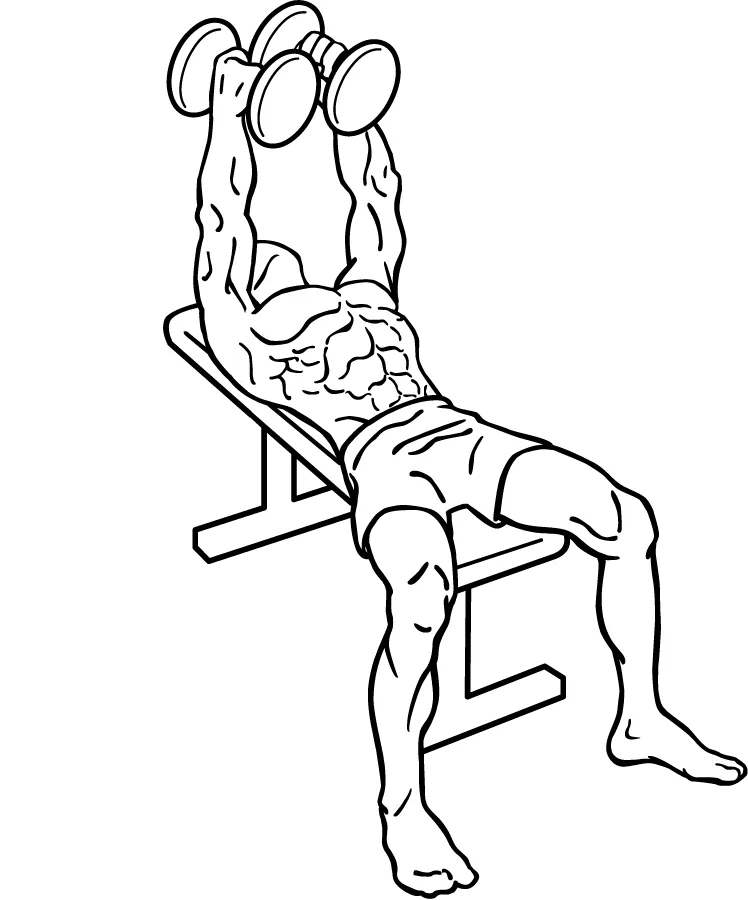
Image source: Bing (Web (fair-use with source credit))
Quick Answer
Set the bench to 30 to 45 degrees. Keep your feet flat and your shoulder blades tucked. Grip the dumbbells with palms facing forward or slightly in.
Lower them to the sides of your chest. Press up and slightly inward with control. Lower back down for 2 to 3 seconds.
Why Form Matters Before You Grab the Dumbbells
The incline dumbbell press is a compound movement. It targets the clavicular head of the pectoralis major (the upper part of your chest), the front deltoid, and the triceps. That makes it one of the most efficient upper-chest builders there is.
But it only works when your shoulders stay packed.
If your elbows flare wide or your shoulders shrug up, tension shifts away from your chest. It moves straight into your shoulder capsule and neck. Over time, that pattern can lead to impingement.
In a worst-case scenario with heavy weight, it can strain the pectoral tendon near the shoulder.
This is why form matters before the dumbbells ever leave the rack. Your shoulder blades need to stay retracted and slightly depressed. That creates a stable base and keeps your rotator cuff out of a compressed position.
Think of it as building a shelf for the press, not just pushing weight.
The Core Setup: Bench Angle, Grip, and Dumbbell Selection

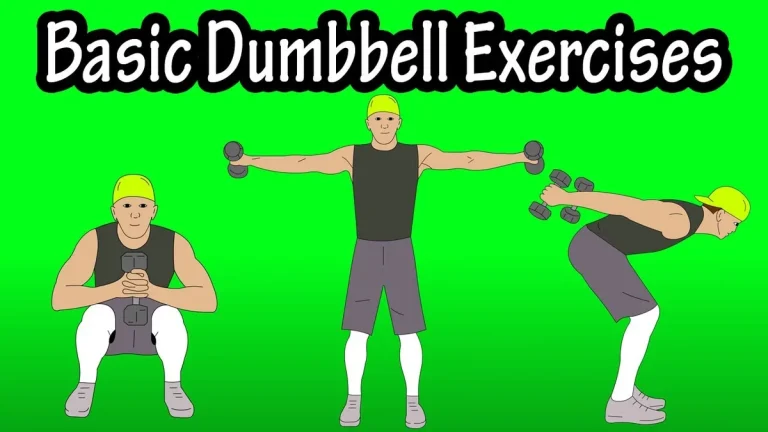
Image source: Web (Bing) / fity.club (Web image (fair-use with source credit))
Your bench angle is the first decision. Too steep and the front delts take over. Too flat and you're basically doing a regular dumbbell press.
The sweet spot is 30 to 45 degrees. Most adjustable benches have a marked angle or a notch, so set it one step above horizontal and eyeball it.
Your grip comes next. A neutral grip (palms facing each other) is the friendliest option for most shoulders. A pronated grip (palms facing your feet) shifts slightly more tension onto the chest, but it can irritate the front of the shoulder if you flare your elbows.
Start neutral. As you get comfortable, experiment with a slight inward turn.
Dumbbell selection matters just as much. Choose a weight you can lower under control for your target rep range. If you're not sure where to start, our starter dumbbell weight guide walks through the basics.
The last two reps should feel hard. The first rep should never feel like a fight.
| Bench angle | What it emphasizes | Best for | | 30 degrees | More overall chest, less shoulder strain | Lifters with tight shoulders | | 45 degrees | Upper chest, more front delt involvement | Lifters chasing upper pec development |
The setup also includes your lower body. Feet stay flat on the floor, knees bent, glutes lightly touching the bench. You want a stable base, not a dramatic lower-back arch.
A freer pressing plane is one reason many lifters find dumbbells more shoulder-friendly than machines.
The Step-by-Step Guide to the Incline Dumbbell Press
Step 1: Set the bench and plant your feet
Adjust the bench to 30 to 45 degrees. Sit down and pull your shoulder blades back and down toward your back pockets. Your upper back stays in contact with the pad.
Do not let your chest cave forward.
Step 2: Get the dumbbells into position
Rest the dumbbells on your thighs. Use a knee kick to pop them up to shoulder height as you lean back. One smooth motion, no wrestling.
If you can't get them into place cleanly, the weight is too heavy. Drop down and rebuild control first.
Step 3: Find your starting position
Hold the dumbbells at shoulder level. Keep your palms facing forward or slightly in. Your wrists should be stacked over your elbows.
Your elbows should sit at about 45 to 60 degrees from your torso. This is your starting position for every single rep.
Step 4: Press
Exhale as you press the dumbbells up and slightly inward. Stop just before the dumbbells bang together. Lockout should be smooth, never forced.
Keep your shoulders down and away from your ears the whole time.
Step 5: Lower with control
Inhale as you lower the dumbbells to the sides of your chest. Stop when you feel a stretch across your chest or your upper arms get close to parallel. Don't let the weights crash down.
Control the descent for 2 to 3 seconds, then drive back up.
One reason this exercise works so well is that each arm moves independently. Unlike a barbell, there's no bar path to hide behind. If one side is stronger, you'll see it immediately.
That's exactly why dumbbells can replace a barbell for pressing without losing much.
What the Perfect Rep Feels Like
The perfect incline dumbbell press feels like a controlled push, not a heave. Your upper chest should feel loaded at the top. Your shoulder blades stay pinned to the bench the entire time.
Your feet push into the floor for leg drive, but your hips never leave the pad.
If your front delts burn before your chest, your bench angle is probably too high or your elbows are flaring. Reset. Tuck your shoulder blades down.
Slow the lowering phase and let that stretch hit your chest.
There should also be a small squeeze at the top. If you've done dumbbell flys, it feels similar but shorter. You're not squeezing for a five-second hold, just a brief pause before the next rep.
That pause keeps momentum out of the movement.
The 6 Biggest Mistakes and How to Fix Them

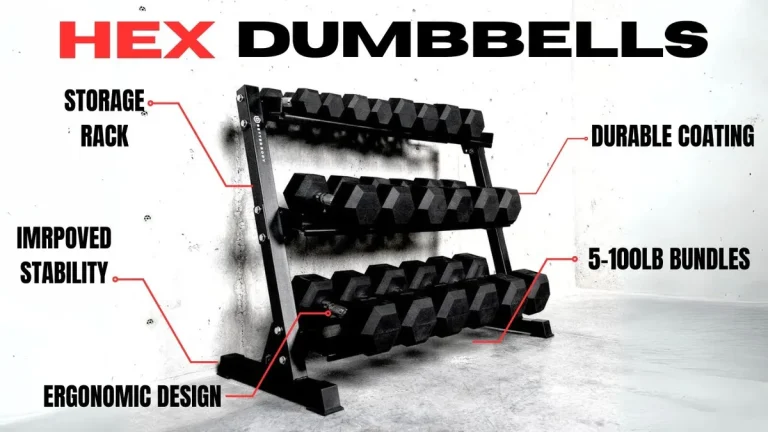
Image source: Web (Bing) / qaqooking.wiki (Web image (fair-use with source credit))
Mistake 1: Bench angle too steep
If you set the bench to 60 degrees, you've turned a chest press into a shoulder press. Drop it back to 45 degrees or less. Your upper chest still gets worked, and your front delts stop running the show.
Mistake 2: Elbows flared at 90 degrees
A 90-degree elbow angle works with a barbell, not with dumbbells. It jams the shoulder joint and takes tension off the chest. Keep your elbows around 45 to 60 degrees from your torso.
Think "tucked," not "flared out."
Mistake 3: Shoulder shrug press
If your shoulders creep up toward your ears, you're losing the chest stretch and adding stress to your neck. Fix it by pulling your shoulder blades down and back before every rep. This is the single biggest correction you can make.
Mistake 4: Bouncing the dumbbells
Letting the dumbbells crash down at the bottom turns a strength exercise into a game of rebounding. Lower under control for 2 to 3 seconds. Pause briefly at the bottom, then press.
Your chest will feel the difference immediately.
Mistake 5: Using your lower back as a spring
Arching hard off the bench turns the press into a decline movement and loads your lumbar spine. Keep a natural arch, not a dramatic bridge. Your glutes stay on the bench, and your ribcage stays down.
Mistake 6: Ego lifting and skipping the setup
If you can't kick the weight into position cleanly, it's too heavy. Strip the load and build control first. For most lifters, the American College of Sports Medicine recommends 8 to 12 reps per set for muscle growth.
Our beginner's rep guide can help you pick a smart starting target.
Incline Dumbbell Press vs. Incline Barbell Press
The barbell version gets all the glory. The dumbbell version usually deserves the credit. It comes down to a trade-off between raw overload and shoulder freedom.
| Factor | Incline Dumbbell Press | Incline Barbell Press | | Dumbbells / Barbell | Each arm moves independently | Fixed bar path | | Range of motion | Longer, allows a deeper stretch | Shorter, limited by the bar | | Load capacity | Lower, limited by grip strength | Higher, easier to load heavy | | Muscle balance | Exposes strength imbalances | Hides imbalances | | Shoulder comfort | More shoulder-friendly | Can aggravate tight shoulders |
If you're chasing maximum upper-chest strength and want to move the heaviest weight possible, the barbell wins. You can load it progressively in smaller jumps. But it's also easier to cheat, especially when the bar is uneven and the stronger side takes over.
If you have shoulder issues, want a deeper stretch, or want to fix left-to-right imbalances, the dumbbell version is the better daily driver. You don't need to keep up with anyone else. You just need controlled tension across both pecs.
It's also a solid way to build your whole chest with only dumbbells if you're training at home.
How to Fit the Incline Dumbbell Press Into Your Workout
This press works best as a main movement early in your session. Save it for the first or second exercise on your push day. If you lead with heavy flat presses, your upper chest may be too tired to do its share of the work.
For most lifters, a hypertrophy focus of 3 to 4 sets of 8 to 12 reps is the sweet spot. Keep rest around 90 seconds. If you're aiming for strength, drop to 5 to 8 reps and rest 2 to 3 minutes.
If you're using lighter weights for endurance or a home setup, higher reps in the 12 to 15 range work fine.
Progress the movement the same way you'd progress any lift. Add one rep per set first. Once you hit the top of your rep range on all sets, add 2.5 kg (or 5 lb) per dumbbell.
That's the simplest, most sustainable system. If you're just starting out and picking your loads, our recommended dumbbell sizes by goal can help you start smart.
Real-World Scenarios: Who Should Do This Exercise (and Who Shouldn't)
The lifter with a lagging upper chest
This press should be your first exercise on chest day. Hit it when your energy is still high and your shoulders are fresh. Use 4 sets of 8 to 12 reps with a 2-second lowering phase.
The extra time under tension forces the upper chest to do more work.
The lifter with shoulder discomfort
Stick to a 30-degree bench angle and a neutral grip. That combo keeps your shoulders in a friendlier position. Drop the dumbbells to the sides of your chest, not behind it.
If you feel any pinching, lower the weight or switch to flat dumbbell pressing for a few weeks to let your shoulders settle down.
The home gym lifter
This is one of the best exercises for a home gym. All you need is a bench, a pair of dumbbells, and floor space. If you're working with fixed or adjustable pairs, set the bench once and keep the setup simple.
No spotter required if you use the knee-kick method to get into position.
Who should avoid it
Anyone with an acute shoulder injury or recent rotator cuff strain should skip incline pressing until a therapist clears them. Even with perfect form, the position can aggravate an inflamed shoulder. Substitute low-to-high cable flys or push-ups on a stable surface instead.
Common Questions, Straight Answers
What is the ideal bench angle?
The ideal bench angle is 30 to 45 degrees. That range targets the upper chest without putting excessive stress on the front delts. Angles above 45 degrees turn it into a shoulder press and steal tension from your pecs.
Should I use a neutral or pronated grip?
A neutral grip with palms facing each other is the best starting point. It feels more natural on the shoulders and allows a deeper stretch. A pronated grip with palms facing your feet can shift more work to the chest, but only if your shoulder mobility allows it.
If it pinches, go neutral.
What weight should I use for the incline dumbbell press?
Choose a weight that leaves you with one or two reps in reserve at the end of your target set. For a typical 10-rep working set, start with a pair you can press for 11 to 12 clean reps. If you're in the early stages of learning the movement, lighter is always safer.
How many sets and reps should I do?
For muscle growth, aim for 3 to 4 sets of 8 to 12 reps with about 90 seconds of rest between sets. For strength, use 4 to 6 sets of 5 to 8 reps with longer rest. Keep most of your chest work in the hypertrophy range unless you're specifically training for strength.
Is the incline dumbbell press better than the flat version?
It depends on your goal. The incline version emphasizes the upper chest and front shoulders. The flat version hits the middle and lower chest more.
Most lifters benefit from including both, with the incline press as a secondary movement after flat pressing.
Final Verdict: Keep It Simple, Keep It Strict
Master the setup before you chase the weight. Set your bench between 30 and 45 degrees. Pack your shoulder blades down.
Lower with control, press with intent.
The incline dumbbell press rewards patience. Slower reps, honest range of motion, and a sensible weight will build your upper chest more effectively than heavy, sloppy sets. Start light, film a set, and check your elbows and shoulders.
Fix those two details and this exercise becomes the best upper-chest move in your routine.