Complete Guide to How to Do Good Mornings With Dumbbells
If you've been hunting for how to do good mornings with dumbbells, you're probably tired of vague cues like "push your hips back." That's fair. The movement looks simple, but the details make the difference between building strong hamstrings and putting your lower back at risk. Get it right, and you've got one of the best posterior chain builders in your toolbox.
In our research, the hip hinge ranks right up there with the squat and deadlift as a foundational movement pattern. The dumbbell version is the most forgiving way to learn it, according to guidance from the National Strength and Conditioning Association. The load travels along your center of gravity instead of sitting across your upper back like a barbell.
As of 2026, it's still the smartest starting point for home gym lifters and beginners.
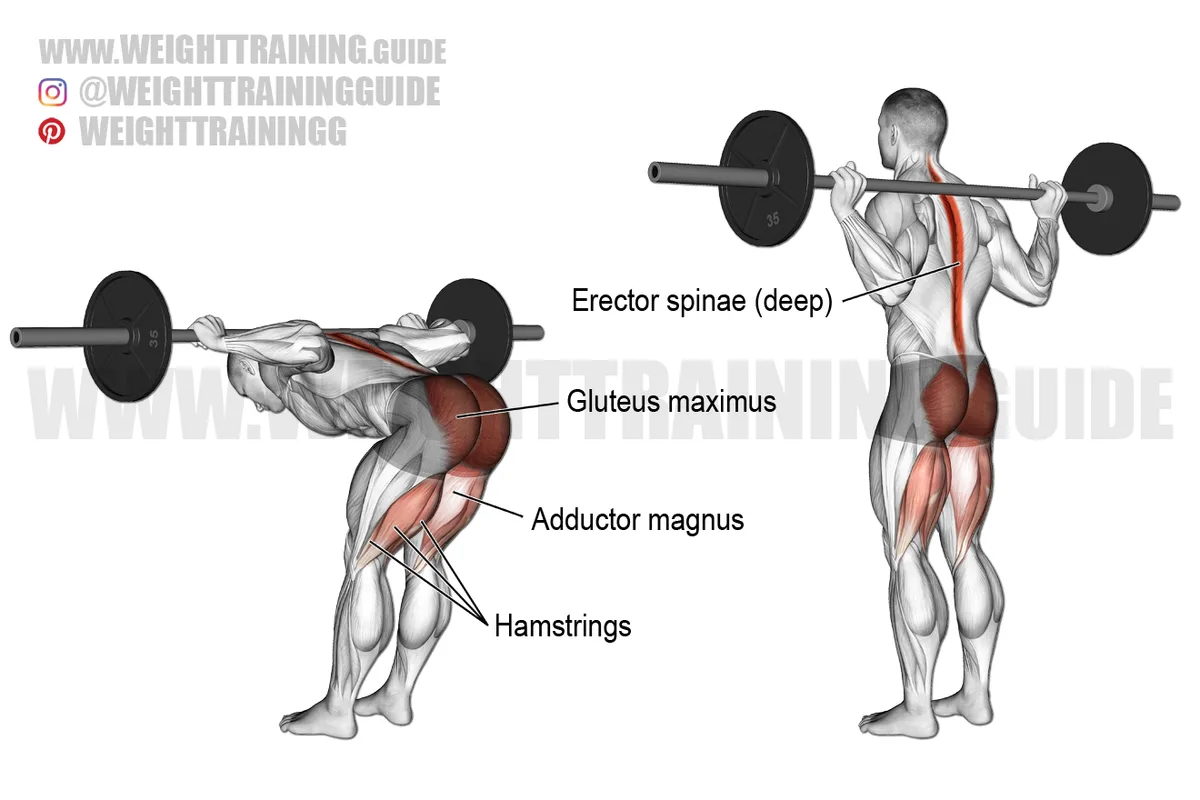
Image source: Web (Bing) / qaqooking.wiki (Web image (fair-use with source credit))
Why the Dumbbell Good Morning Is the Smartest Entry-Level Hip Hinge
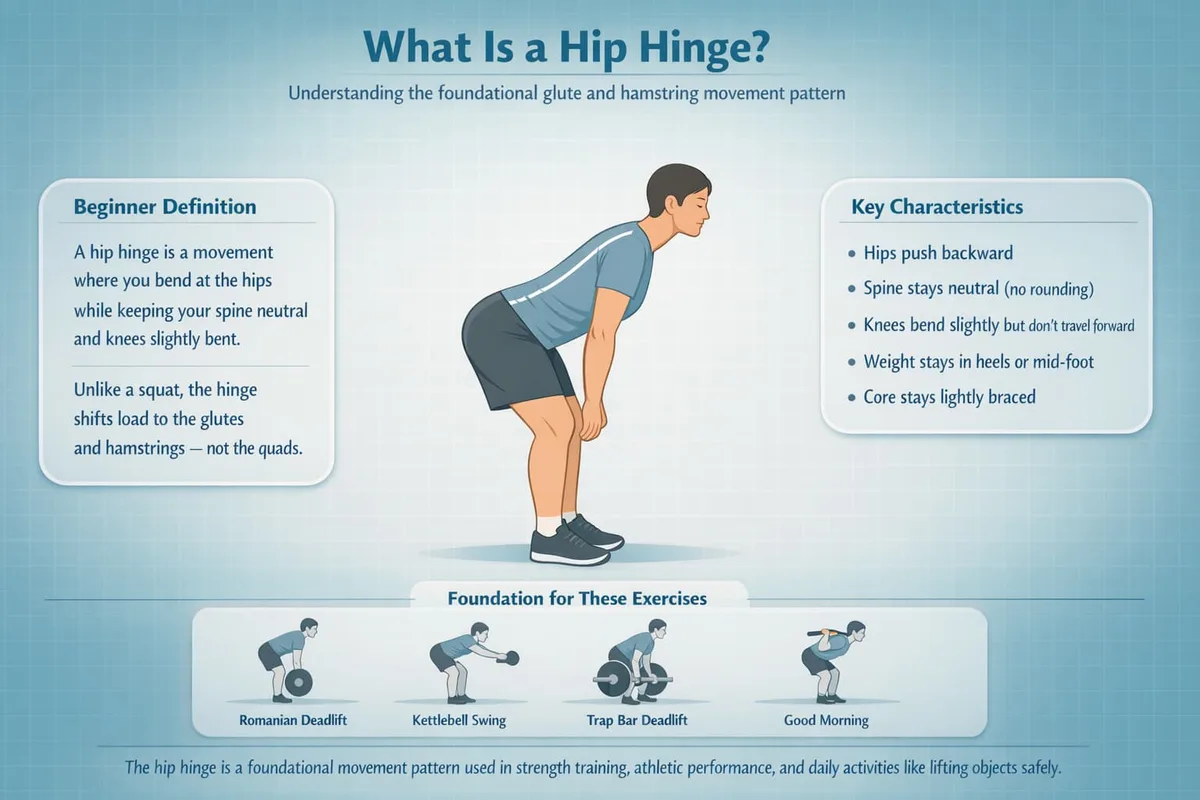
The dumbbell good morning teaches you one thing: how to hinge at the hips. It's a pattern that carries over to deadlifts, kettlebell swings, and even proper sitting posture. If you've never felt your hamstrings stretch when you push your hips back, this is the exercise that shows you.
The movement hits the entire posterior chain. Your glutes, hamstrings, and erector spinae all work together to control the load. The dumbbells hanging at your sides also force your core to work overtime, keeping your spine from flexing under tension.
Compared to a barbell, the dumbbell version is more forgiving. The load stays closer to your center line, which means less shear force on your lower back. That makes it a natural entry point for anyone working with a foundation of basic dumbbell movements or returning from a training layoff.
The Quick Answer: How to Do a Dumbbell Good Morning in 4 Simple Steps
Stand with feet shoulder-width apart, holding a dumbbell in each hand. Keep a slight bend in your knees. Brace your core and push your hips straight back.
Lower your torso until it's nearly parallel to the floor. Squeeze your glutes and drive your hips forward to stand.
Full Step-by-Step: Dumbbell Good Morning With Perfect Form
Here's where the details matter. Get the setup right and the rest of the lift takes care of itself.
Step 1: Set Your Stance
Stand tall with your feet shoulder-width apart. Point your toes slightly outward. Hold the dumbbells at your sides with your palms facing in.
Your shoulders should be pulled back and your chest proud.
| Setup Element | Correct Cue |
|---|---|
| Stance | Feet shoulder-width, toes slightly out |
| Grip | Dumbbells at sides, palms facing in |
| Knee position | Soft bend, not locked and not deeply flexed |
| Head position | Neutral, eyes looking slightly ahead |
Step 2: Brace Your Core
Take a deep breath into your belly, not your chest. Lock your abs as if bracing for a light punch. This creates intra-abdominal pressure that protects your spine.
Hold that brace through the whole movement.
Step 3: Hinge at the Hips
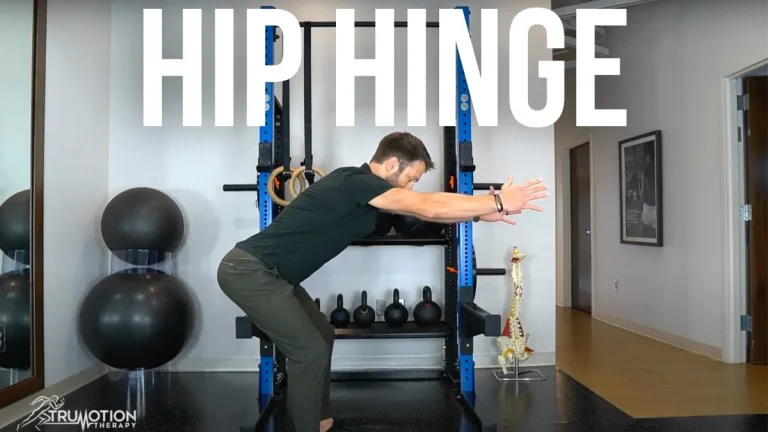
Start by pushing your hips straight backward, not down. Keep the slight knee bend fixed as your torso leans forward. Keep your spine long and neutral.
Imagine your upper body as one solid block from hips to head.
Step 4: Control the Descent
Lower your torso until it's roughly parallel to the floor. You might feel a deep stretch in your hamstrings, and that's your cue you're doing it right. If your lower back starts to round, you've gone too deep.
Stop there.
Step 5: Return with Power
Drive your hips forward to stand back up. Squeeze your glutes at the top, and don't hyperextend your back. If you're holding the right dumbbells, the movement should feel smooth and controlled.
If it feels like a squat, your knees are bending too much.
This is where choosing the right dumbbell weight matters. Start lighter than you think. Two light-to-moderate dumbbells are plenty for your first session.
The 6 Most Common Form Errors (And How to Fix Each One)
Even with perfect intentions, small mistakes creep in. Here are the ones we see most often in user form checks.
| Error | How to Fix It |
|---|---|
| Rounding the lower back | Brace your core before every rep. If you can't keep a neutral spine, reduce the weight. |
| Squatting instead of hinging | Think "hips back" not "knees down". Keep the knee bend constant throughout. |
| Dropping the dumbbells forward | Keep them close to your body. Imagine pulling them down toward the floor in a straight line. |
| Flaring the knees | Press your feet into the floor. Push your knees slightly outward to track over your toes. |
| Holding your breath | Inhale at the top, exhale as you return. Never hold your breath mid-rep. |
| Going too deep | Lower until your back won't stay neutral. That's your range. Don't chase the floor. |
Aggregate video and form-check reviews across fitness forums show that rounding the lower back is the most common mistake. It's also the most dangerous. If you feel pain in your lumbar spine, stop immediately and make sure your starting weight is sensible before attempting again.
Benefits vs. Drawbacks: An Honest Look
No exercise is perfect. The dumbbell good morning has distinct strengths and a few real limitations.
| Benefits | Drawbacks |
|---|---|
| Reinforces the hip hinge pattern | Can't load as heavy as a barbell good morning |
| Minimal spinal compression | Requires solid hamstring flexibility |
| Beginner-friendly setup | Less stable than a back extension bench |
| Builds hamstring, glute, and erector strength | Easy to turn into a squat if you're not careful |
| Works with minimal equipment at home | No overload for advanced lifters |
The main appeal is the low barrier to entry. You don't need a rack, a bench, or a barbell. Just a pair of dumbbells and enough floor space to step back.
For anyone substituting dumbbells for a barbell in their home gym, this is a solid addition.
On the flip side, advanced lifters will outgrow it quickly. Once you're comfortable with a 40% to 60% of bodyweight load per dumbbell, you may want to progress to a barbell or a single-leg variation. The dumbbell version is a tool, not a career.
For a deeper look at whether dumbbells can support long-term growth, we've covered that in detail.
Dumbbell Good Morning vs. Barbell Good Morning vs. RDL: Which Is Right for You?
The dumbbell good morning isn't the only hinge variation out there. Three exercises dominate the conversation, and each has a different load path, spine position, and skill requirement. Pick the one that fits your experience level and equipment.

| Exercise | Load position | Spinal compression | Skill curve | Best for |
|---|---|---|---|---|
| Dumbbell good morning | Hanging at your sides | Low | Beginner | Learning the hinge, home workouts |
| Barbell good morning | Across the upper back | Moderate to high | Intermediate | Advanced posterior chain work |
| Romanian deadlift | In front of your thighs | Low | Moderate | Loading the hinge with heavier weight |
If your goal is to build confidence in the hip hinge, start with the dumbbell version. The load sits along your center of gravity, which makes it easier to keep your spine neutral. Once that feels solid, you can progress to a Romanian deadlift for heavier loading.
The barbell good morning is a different beast. The bar on your back creates a longer lever, which increases shear force on the lower spine. It's powerful for building the erectors and glutes, but it demands strict technique.
It's not a first-choice movement for most lifters.
A practical rule of thumb: dumbbell good mornings for learning, RDLs for loading, barbell good mornings for advanced strength. If you're deciding between dumbbells and a full barbell setup, consider what fits your space and your current skill level.
Who Should (and Shouldn't) Do Dumbbell Good Mornings
Dumbbell good mornings suit a specific crowd. Beginners who need to learn the hinge, home gym lifters with limited equipment, and anyone looking for posterior chain assistance work without a heavy barbell. If you fit any of those, this movement deserves a spot in your routine.
They're also a smart addition for people who sit at desks all day. The pattern trains your glutes and hamstrings to work in a lengthened position, which can carry over to better posture. That's a real, practical benefit.
But some people should skip them. If you have an existing lower back injury, a herniated disc, or unexplained back pain, don't load a hinge without professional guidance. See a physical therapist or doctor first.
The same goes for anyone with severe hamstring tightness. You won't be able to reach a neutral spine without rounding your lower back. Work on hamstring mobility and hip flexor length before attempting loaded hinge patterns.
And if you're a highly advanced lifter, you'll outgrow the dumbbell version quickly. Once a moderate pair of dumbbells feels light, either switch to an RDL or a barbell good morning. That's when the dumbbell version has done its job.
Safety Warnings: How to Protect Your Lower Back
The dumbbell good morning is safe when done correctly. Done poorly, it can strain your lumbar spine. The single most important factor is core bracing.
Take a breath into your belly and tighten your abs before every rep. Hold that brace as you hinge forward. It creates intra-abdominal pressure that acts like an airbag for your spine.
Release the breath only as you return to standing.
Don't chase depth. Your range of motion ends the moment your lower back starts to round. That might be a 45-degree angle, not a parallel torso.
For many beginners with tight hamstrings, that's completely normal and completely fine.
Also keep your shoulders back. If the dumbbells pull your shoulders forward, you'll slump. That shifts load from your hamstrings to your lower spine.
Lighten the weight if this happens.
If you feel a sharp, shooting, or localized pain in your lower back, stop the set immediately. Stop the movement entirely. The American College of Sports Medicine's guidance on resistance training reaffirms that safe exercise technique is the foundation of injury prevention.
A mild stretch in the hamstrings is expected. Pain in the spine is not.
You should also warm up first. A few minutes of hip circles, bodyweight hinges, and leg swings will do. Cold hamstrings and glutes are far more likely to round under load.
Expert Tips: Sets, Reps, and Smart Progression
Treat the dumbbell good morning like an accessory lift, not a max-effort movement. A simple set-and-rep framework works best for most lifters.
| Goal | Sets | Reps | Weight |
|---|---|---|---|
| Strength | 4 | 6–8 | Challenging, perfect form |
| Hypertrophy | 3–4 | 8–12 | Moderate |
| Endurance / technique | 3 | 12–15 | Light |
Use a controlled tempo. Lower for about two to three seconds, pause briefly at the bottom, then return with a smooth but powerful hip drive. Avoid bouncing out of the bottom or rushing the descent.
Start with dumbbells that let you keep a neutral spine for all reps. For most beginners, that's between 10 and 25 pounds per hand, depending on bodyweight and experience. Resist the urge to load up early.
When you can complete all sets and reps without any back fatigue or form breakdown, increase the weight slightly. Add no more than 5 pounds per side per week. Slow, steady progression beats an ego-driven jump that ruins your form.
If you're still figuring out your starting weight, check our guide on what weight beginners should start with before grabbing something heavy.
Also pay attention to how this exercise fits your program. It's a hinge, so pair it with a squat, lunge, or pressing movement for a balanced day. Don't just do hinge exercises and ignore the rest of your body.
Quick FAQs: Your Most Common Questions, Answered
Can I do dumbbell good mornings every day?
No. Your hamstrings and lower back need recovery time. Twice a week is plenty for most lifters, and even once a week works well as an accessory.
Train them on leg day or pull day.
How heavy should the dumbbells be?
Start light. Most beginners use 10 to 25 pounds per hand. You should be able to lower your torso with a flat back and feel a stretch in your hamstrings.
If your back rounds, the weight is too heavy.
Are dumbbell good mornings bad for your back?
No, but bad form is. The exercise trains your posterior chain safely when you brace your core and keep a neutral spine. If you already have back pain, get cleared by a professional before trying it.
What's the difference between a good morning and an RDL?
In a good morning, the weight starts at your shoulders or sides. In an RDL, the weight starts in front of your thighs. The RDL allows heavier loads, while the good morning emphasizes the hinge pattern more directly.
Should I do good mornings before or after squats?
Do them after squats. Hinges and squats both stress the lower back. Starting with squats lets you use heavier weight where it matters.
Then use good mornings as a finisher for posterior chain development.
Can I do good mornings with one dumbbell?
Yes. Hold a single dumbbell against your chest or at your sides. A goblet-style position works well for building core stability.
Just keep your elbows down and your chest proud throughout the movement.
My Final Take: Start Light, Master the Hinge, Reap the Rewards
The dumbbell good morning won't win you any gym trophies. It lacks the dramatic weight of a deadlift. But it's one of the most reliable tools for building a powerful posterior chain.
If you learn to hinge properly here, every other movement improves. Squats get deeper. Deadlifts feel safer.
Your lower back stops complaining during long days at a desk. That's the real payoff.
A Simple Progression Plan
Start with bodyweight hinges to nail the pattern. Then add light dumbbells once your spine stays neutral. Here's a realistic first month.
| Week | Work | Sets x Reps | Load per hand |
|---|---|---|---|
| 1 | Bodyweight hinge practice | 3 x 12 | None |
| 2 | Dumbbell good morning | 3 x 10 | 5–10 lb |
| 3 | Dumbbell good morning | 3 x 12 | 10–15 lb |
| 4 | Dumbbell good morning | 4 x 10 | 15–20 lb |
Track every session. When you complete all sets and reps without back rounding, add five pounds per hand. That's the signal you're ready.
The Takeaway
Master this movement before chasing heavier accessories. The hinge is a lifetime skill, and the dumbbell good morning is the kindest way to learn it. Your hamstrings, glutes, and lower back will thank you.
And if you're wondering how many reps you should be doing for your goals, the framework above covers both strength and size. Stick with it, stay consistent, and remember that patience beats ego every time.