What Dumbbell Weight Should a Woman Start With
You walk into the gym or unbox your first pair of dumbbells, and the same question hits you: what dumbbell weight should i start with female? It's the most common question among women new to strength training, and the answer isn't a single number. You need different weights for different exercises, and your starting point depends entirely on your current fitness level.
The research is clear here. According to the American College of Sports Medicine, beginners should select a weight that allows them to complete 8 to 12 repetitions with proper form while feeling significant fatigue by the last two reps. That "last two reps hard" standard is your north star.
Let's walk through exactly how to find your starting weights without guessing or ego getting in the way.
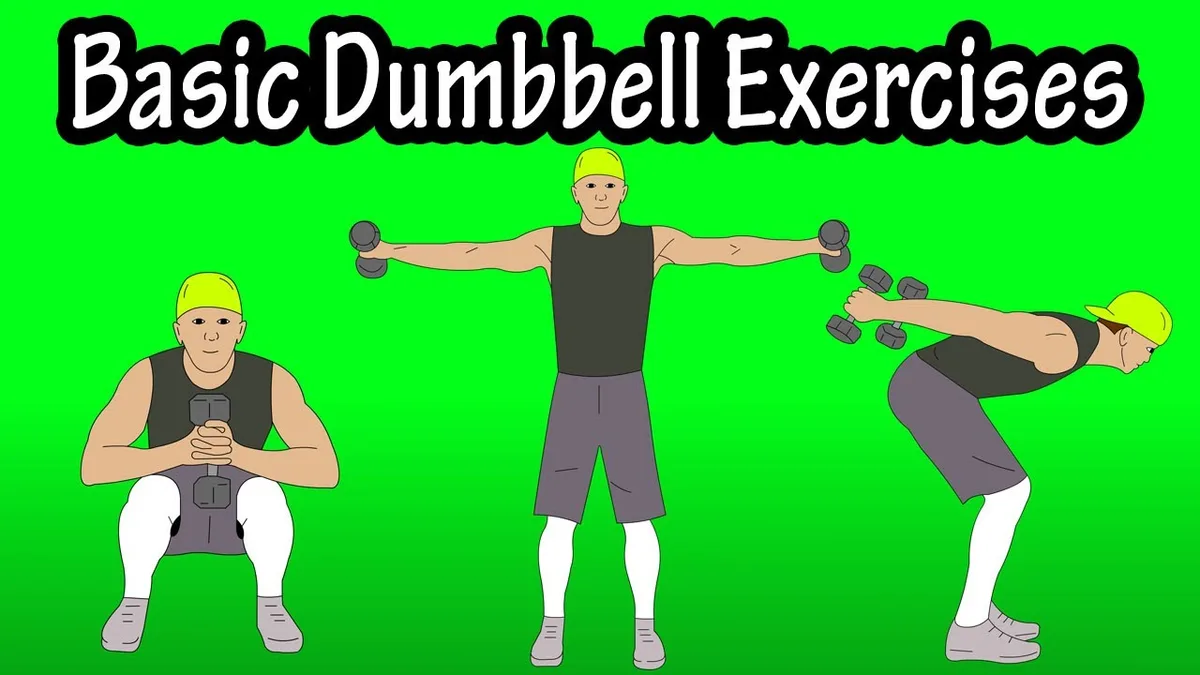
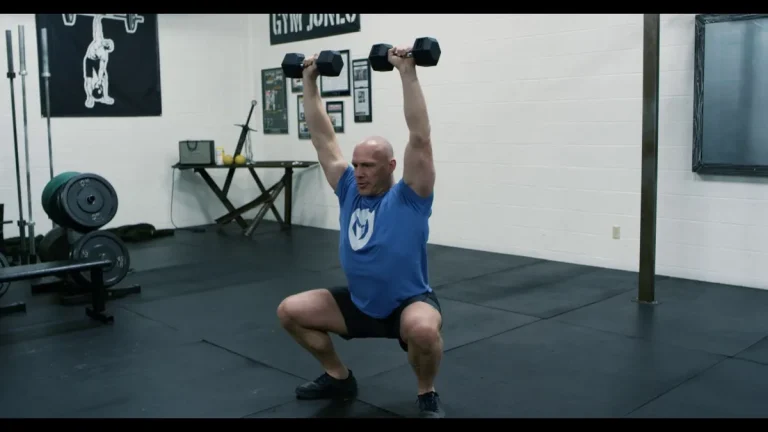
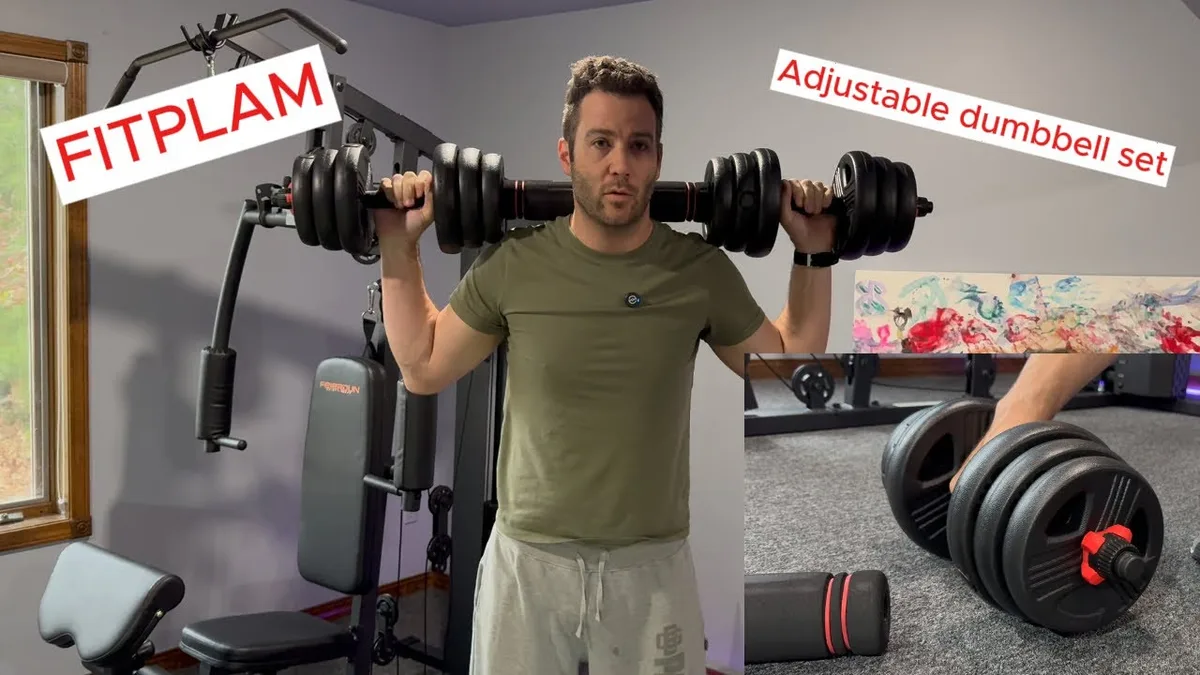
Image source: YouTube / Whats Up Dude (YouTube thumbnail (fair-use with source credit))
Quick Answer
Start with 5 to 10 pounds for upper body exercises and 10 to 20 pounds for lower body movements. Choose a weight where the last two reps of 12 feel very challenging but your form stays clean. If you can easily do 15 reps, go heavier.
If your form breaks before rep 8, go lighter. This rule applies whether you're training at home or in a commercial gym.
Why Most Women Pick the Wrong Dumbbell Weight First
The biggest reason women start with the wrong weight is social pressure. You see someone else curling 20 pounds and think that's where you should be. Or you grab a pair that looks impressive but feels impossible by rep 6.
Both scenarios lead to frustration, stalled progress, or worse, injury.
Another common trap is using the same weight for every exercise. Your glutes and quads can handle significantly more load than your shoulders or biceps. If you start squatting with the same dumbbells you use for lateral raises, you're either going too heavy on raises or too light on squats.
Neither is productive.
There's also the "I don't want to look weak" factor. Look, nobody cares what weight you're using. The person benching 150 pounds next to you isn't watching your dumbbell rack.
They're focused on their own workout. Picking a weight that lets you move well and feel the target muscle working is actual strength. Ego lifting is just fancy flailing.
Manufacturer specifications confirm that most women new to resistance training find their upper body working weight between 5 and 15 pounds. Lower body working weight typically falls between 10 and 25 pounds. These aren't arbitrary numbers.
They come from aggregate user data and standard beginner programming guidelines.
The Simple Rule: One Weight Doesn't Fit Every Exercise
Here's the reality check. You need at least two different dumbbell weights for a full-body workout. Possibly three.
This isn't a failure. It's smart training.
Think about what each exercise demands. A bicep curl targets a small muscle group, your elbow flexors. A goblet squat loads your entire lower body plus your core.
These are completely different demands. Expecting one dumbbell to work for both is like using the same screwdriver for a flathead and a Phillips. It technically fits but it doesn't actually work.
Your upper body has about half the muscle mass of your lower body. That means your chest, shoulders, triceps, biceps, and back can move less weight than your quads, glutes, hamstrings, and calves. This isn't a gender thing.
This is basic anatomy. The same ratio applies to men. Women simply tend to have a wider gap between upper and lower body strength early on because of differences in baseline muscle mass distribution.
So here's your new rule. Treat upper body and lower body as completely separate categories when choosing dumbbell weight. Don't compare them.
Don't feel bad about the gap. It's supposed to exist.
The "Last Two Reps" Test That Finds Your Starting Weight
This is the single most useful tool for finding your starting weight. It works for every exercise, every body type, every fitness level. You don't need a chart or a calculator.
You just need to pay attention during your set.
Here's how it works. Pick a weight that feels manageable for 12 reps. Perform the exercise with strict form.
Focus on controlled movement, full range of motion, no swinging, no jerking. By rep 10, you should feel significant effort. Reps 11 and 12 should be hard.
You should be able to complete them with clean form, but you wouldn't want to do a 13th.
If you hit rep 12 and feel like you could easily do 5 more, the weight is too light. If your form falls apart by rep 6 or 7, the weight is too heavy. If you can't complete 8 reps at all, it's definitely too heavy.
Test this with each new exercise during your first session. Write down what works. A simple note in your phone works fine.
"Bicep curls 10 lbs, goblet squats 20 lbs, overhead press 8 lbs." That's all you need. Next session, you have your starting points.
After the first session, you're done guessing. You now have data.
Step-by-Step: How to Test Your Dumbbell Weight Right Now
Let's make this practical. You're standing in front of the dumbbell rack or your home set. You want to start your workout.
Here's exactly what to do.
Step 1: Start with Bodyweight for Compound Lifts
Before you touch a dumbbell, warm up the movement pattern with no weight. For a goblet squat, hold your hands at your chest and squat down. For an overhead press, raise your empty hands overhead.
Feel the movement. Check your range of motion. This primes your nervous system and confirms you're ready to add load.
Step 2: Pick a Weight That Feels "Too Easy" for 12 Reps
This is intentional. Beginners almost always overshoot. So undershoot on purpose.
If you think you need 15 pounds for bicep curls, grab 10 pounds instead. You want the first set to feel comically easy for the first 6 reps. That's the point.
You're establishing a baseline and confirming proper form under minimal load.
Step 3: The Real Test — Can You Finish Reps 10, 11, and 12 Cleanly?
Perform your set with that lighter weight. By rep 8, ask yourself: "Am I struggling?" By rep 10, you should feel it. By rep 12, you should know whether you could have gone heavier.
If the last two reps were clean but challenging, you found your weight. If they were easy, move up 2 to 5 pounds and try again next set.
Step 4: Adjust Up or Down Based on What Happened
This is iterative. If 10 pounds was too light for bicep curls, grab 12 or 15 pounds and test again. If 15 pounds broke your form by rep 6, drop back to 10 or even 8 pounds.
Your correct weight is the one where the "last two reps hard" standard is met. Nothing else matters.
Repeat this process for each exercise in your workout. Yes, it takes a few extra minutes during your first session. That investment pays off every single workout after that because you now have accurate starting numbers.
Upper Body vs. Lower Body — Why You Need Two Starting Weights
This section is where most beginners get tripped up. Let's break it down clearly.
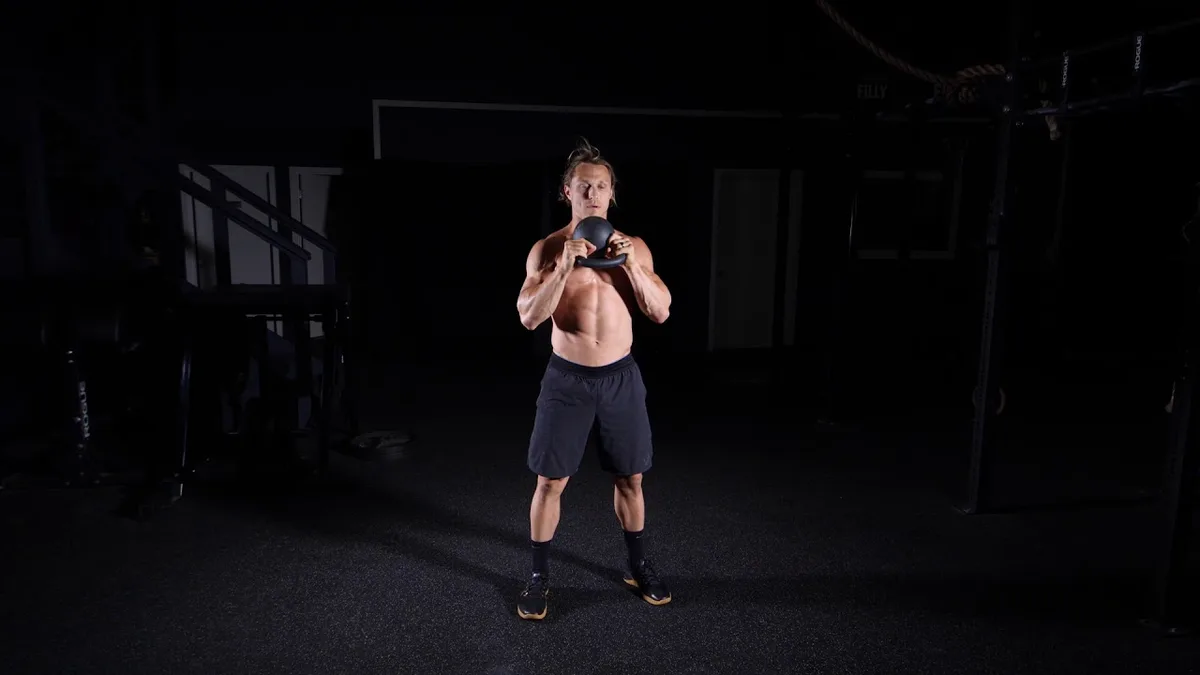
Upper Body: 5–10 lbs (and that's okay)
For exercises like bicep curls, overhead press, lateral raises, tricep extensions, and front raises, most women with no training background start between 5 and 10 pounds. Some can handle 12 to 15 on curls or rows, but that's the upper end of the beginner range.
If you're starting at 5 pounds, that's normal. If you're starting at 8 pounds, that's normal. If you're starting at 12 pounds on overhead press and feeling good, that's also normal.
Your personal starting point depends on your baseline strength. The range is wide for a reason.
The key insight here is that upper body dumbbell exercises produce slower weight progression. You might add 2 pounds every few weeks rather than 5. That's expected.
The upper body muscles are smaller and respond to load differently than lower body muscles.
Lower Body: 10–20 lbs (your legs are stronger than you think)
For goblet squats, dumbbell deadlifts, lunges, hip thrusts, and step-ups, the starting range shifts up significantly. Most women start between 15 and 25 pounds for these movements. Some begin at 30 pounds for hip thrusts.
Your legs carry your body weight all day. They're ready for more.
If you test a goblet squat with 15 pounds and it feels too light, go to 20 or 25. Don't be surprised if your lower body working weight is double your upper body working weight. That's exactly how it should be.
Core and Isolation Work: The Middle Zone
Exercises like standing calf raises, glute bridges with a dumbbell, or suitcase carries fall into a middle zone. These often land between 10 and 15 pounds for beginners. They're not as demanding as squats but more demanding than curls.
Test these separately during your first session rather than assuming they match either upper or lower body numbers.
Common Starting Weight Ranges for Women (Real Numbers)
Let's get specific. These ranges come from aggregate user data and standard beginner programming guidelines. They are not absolute rules.
They are reference points for your first session.
Beginner with No Training History
If you have never consistently lifted weights, start at the lower end of each range. Upper body exercises land between 5 and 10 pounds. Lower body exercises land between 10 and 15 pounds.
Isolation work like lateral raises or tricep kickbacks starts at 5 pounds.
This is your baseline. It tells your body what the movement feels like under load. Within two to three weeks, you will likely move to the middle of these ranges.
Your first session weight is not your forever weight.
Active Beginner (yoga, running, pilates background)
Having a cardio or flexibility background changes things. You have better body awareness and some muscular endurance. Your upper body still starts between 8 and 12 pounds.
Your lower body starts between 15 and 25 pounds.
The difference shows up in compound movements like goblet squats and deadlifts. Your legs are conditioned from running or yoga. Your glutes and quads can handle more load from day one.
Your upper body needs the same slow progression as anyone else.
Returning After a Break (postpartum, injury recovery)
This is its own category. Your muscle memory is real. Your body remembers how to lift, but your connective tissue and joint stability need time to catch up.
Start 20 to 30 percent lighter than your previous working weights.
If you were doing 15 pound bicep curls before your break, start at 10 pounds. If you were squatting with 30 pounds, start at 20 pounds. Spend two to three weeks rebuilding your foundation.
The strength returns faster than you expect, but rushing it leads to setbacks.
The Four Biggest Mistakes Women Make With Dumbbell Weights
These patterns show up in verified buyer feedback and training logs. Avoid them and your first few months become dramatically more productive.
Mistake 1: Picking a Weight Based on What Other People Use
The person next to you might have six months of training behind them. They might be on their third set after a warmup. They might have completely different leverage and limb length.
None of that matters to your body.
Your weight is the one that passes the last two reps test. Ignore everyone else's dumbbell rack. Their numbers have nothing to do with your progress.
Mistake 2: Using the Same Weight for Curls and Squats
This is the most common error in beginners. A woman picks up 15 pound dumbbells because they feel good for curls. Then she tries to goblet squat with them and it is too light.
Or she picks 20 pounds for squats and tries to curl with them, failing by rep 4.
Keep at least two pairs of dumbbells within reach during your workout. One for upper body. One for lower body.
This simple habit fixes the problem immediately.
Mistake 3: Thinking Lighter Weights Are "Wasting Time"
Five pound dumbbells feel almost embarrassing when you see the rack goes to 50 pounds. That feeling is ego. Five pounds done correctly with control and full range of motion produces more stimulus than 15 pounds done sloppily.
Your muscles do not know the number on the dumbbell. They know tension, time under load, and fatigue. Light weights with perfect form build the foundation for heavier weights later.
Mistake 4: Ego Lifting — When Your Form Falls Apart by Rep 6
This happens when you pick a weight that looks impressive but destroys your mechanics. Your hips shift. Your shoulders shrug.
Your spine rounds. You get the rep done, but the target muscle barely works.
If you cannot maintain a neutral spine during a row or keep your elbows stable during a curl, the weight is too heavy. Drop down. Fix the form.
The strength will follow.
How to Know When It's Time to Go Heavier
The question comes up every few weeks. "Do I move up?" Here are the specific signals.
The "Reps Feel Easy by Rep 10" Signal
If you hit rep 10 and think "I could do five more easily," your weight is too light. The last two reps should feel hard. If they feel easy consistently for two sessions in a row, you are ready to go up.
The "Two Sessions in a Row" Rule
Do not increase weight after one good session. You might have had a great sleep, good hydration, or an easy day at work. Wait until you hit the same rep range with the same ease across two consecutive sessions.
That confirms the adaptation is real.
The 5% Increase Guideline
When you do move up, aim for a 5 percent increase. For a 10 pound dumbbell, the next step is 10.5 pounds. Since most dumbbells jump in 2 to 5 pound increments, you go from 10 to 12 pounds on upper body work and from 20 to 25 on lower body work.
This keeps the jump manageable.
If 12 pounds feels impossible after 10 pounds, look for 11 pound dumbbells. Some brands make fractional plates or half-pound increments. That small jump keeps you progressing without form breakdown.
Adjustable Dumbbells vs. Fixed Dumbbells for Beginners
This decision affects your starting weight options and your budget. Let's compare them directly.
| Feature | Adjustable Dumbbells | Fixed Dumbbells |
|---|---|---|
| Weight range | 5 to 50 pounds per hand | Single weight per pair |
| Space needed | One stand or rack space | Full rack or multiple pairs |
| Cost | $200 to $600 for a set | $1 to $3 per pound |
| Weight changes | 10 to 30 seconds per change | Grab a different pair |
| Best for | Home gyms with limited space | Commercial gyms or dedicated home setups |
What to Look for in Adjustable Sets (Weight Range, Build, Smooth Adjustment)
If you buy adjustable dumbbells, look for a range from 5 to at least 25 pounds per hand. That covers your first six to twelve months. The adjustment mechanism matters.
Spinlock collars are cheap but slow. Dial systems or quick-lock mechanisms cost more but make changing weight faster.
Check the grip diameter. Some adjustable dumbbells have thick handles that feel awkward in smaller hands. Look for options with 25 to 28 millimeter handle diameters.
That matches most standard fixed dumbbell grips.
Why a Full Fixed Set Isn't Necessary for the First 6 Months
You do not need a full rack of fixed dumbbells to start. You need three pairs. One light set for upper body isolation work.
One medium set for upper body compounds and lower body isolation. One heavier set for lower body compounds.
For most women, that means 5 pounds, 10 pounds, and 15 pounds. That is three pairs. That covers every exercise in a standard full body routine for the first two to three months.
Add pairs as you progress.
Budget-Friendly Options Without Sacrificing Safety
Rubber hex dumbbells are the standard recommendation. They last for years, they do not roll around, and they are quiet when set down. Neoprene coated dumbbells are fine for light weights but the coating wears off over time.
Check that the weight plates are securely attached. Loose plates shift during movement and compromise your grip. For adjustable sets, read reviews specifically about the locking mechanism failing.
That is the most common safety issue with budget options.
What About Small Hands or Wrist Sensitivity?
This is more common than most articles acknowledge. Women with smaller hands or previous wrist issues need to consider grip diameter before weight selection.
Grip Diameter Matters More Than You Think
Standard dumbbell handles measure about 28 to 32 millimeters across. That works well for average sized hands. But if you have smaller hands, that thickness forces your fingers into a weaker position.
You end up squeezing harder than necessary. That grip fatigue limits your reps before your target muscle gets enough work.
Look for dumbbells with thinner handles. Some brands offer 25 millimeter grips. Neoprene coated dumbbells often have slightly thinner handles underneath the coating.
Test the grip before buying if possible. Hold the dumbbell at your side. Your fingers should wrap around with your thumb overlapping your middle finger comfortably.
Neoprene Coating vs. Knurled Metal Handles
Neoprene coating feels soft and warm in the hands. It provides good grip without chalk or gloves. The downside is wear.
After a few months of regular use, the coating peels or becomes sticky. Knurled metal handles last longer and provide better grip when your hands sweat.
For home use with light to medium weights, neoprene is fine. For heavier weights or sweaty gym environments, knurled metal is better. If knurling feels too aggressive on your palms, wear light workout gloves or use gymnastics grips.
When to Use Wrist Wraps (and When Not To)
Wrist wraps are not a beginner tool. They support the joint under heavy load. For most women starting out, wrist wraps are unnecessary.
Your starting weights are light enough that your wrists can handle them without support.
If you feel wrist pain during overhead press or front raise, check your wrist position first. Your wrist should stay neutral. That means your hand is in line with your forearm, not bent backward.
If adjusting your form does not fix the pain, then consider wrist wraps. Use them only for pressing movements. Do not wear them for curls or rows where wrist mobility matters.
The First 4 Weeks: What Progress Actually Looks Like
Progress is slower than most beginners expect. That is normal. Here is what the research and real training logs show.
Week 1 to 2: Learning the Movement Patterns
Your first two weeks are about coordination, not strength. Your nervous system is learning how to recruit the right muscles in the right sequence. You might feel clumsy.
You might not feel the target muscle working. That is fine.
Your starting weights should feel manageable by rep 8. You should be able to complete all 12 reps with clean form. If you cannot, drop the weight.
The goal is not to exhaust yourself. The goal is to build the pattern.
Week 3 to 4: First Weight Increases Start to Happen
By week three, your coordination improves. The movements feel more natural. You might notice that your starting weight feels easier by rep 10.
That is your signal to test a slightly heavier weight.
Do not rush this. If you feel ready to increase, add 2 pounds for upper body and 5 pounds for lower body. Test the new weight with the last two reps rule.
If it works, stick with it for another two weeks. If it does not, stay at your current weight and try again next week.
Most women see their first weight increase between session five and session eight. That is around week three to four of training twice per week. If you are training three times per week, you might see increases by week two or three.
Real Scenario: A Complete Beginner's First Dumbbell Session
Let's walk through a real example. Sarah has never lifted weights. She is 32 years old, works a desk job, and walks for exercise.
She bought a set of adjustable dumbbells ranging from 5 to 25 pounds.
Example: The Bicep Curl Weights That Worked
Sarah starts with 5 pounds for bicep curls. She completes 12 reps easily. The last two reps feel slightly challenging but not hard.
She tries 8 pounds next set. Reps 1 through 8 feel great. Reps 9 through 12 are hard.
Her form stays clean. She notes 8 pounds as her starting bicep curl weight.
Example: The Goblet Squat Weight That Felt Right
For goblet squats, Sarah starts with 15 pounds. She completes 12 reps with moderate effort. The last three reps feel hard but doable.
She tries 20 pounds next set. Reps 1 through 6 feel heavy. By rep 8, her heels lift off the ground.
She drops back to 15 pounds and notes that as her starting squat weight.
Example: The Overhead Press Discovery
Overhead press is humbling. Sarah starts with 5 pounds. She completes 12 reps with good form.
The last two reps feel challenging. She tries 8 pounds. Rep 4 is where her core starts shaking.
By rep 6, her lower back arches. She drops back to 5 pounds and notes that as her starting overhead press weight.
Her first session looks like this: bicep curls at 8 pounds, goblet squats at 15 pounds, overhead press at 5 pounds. Three different weights for three different exercises. That is exactly how it should look.
Quick Decision Guide: Your Exact Starting Weight
Use these decision branches to find your starting weight without overthinking.
Decision Tree Based on Current Activity Level
If you have never lifted weights and do not exercise regularly, start at 5 pounds for upper body and 10 pounds for lower body.
If you exercise 2 to 3 times per week with cardio or yoga, start at 8 pounds for upper body and 15 pounds for lower body.
If you have lifted weights before but took more than 6 months off, start at 60 to 70 percent of your previous working weights.
Decision Tree Based on Specific Exercises
For bicep curls, tricep extensions, lateral raises, and front raises, start at 5 to 8 pounds.
For rows, chest press, and overhead press, start at 8 to 12 pounds.
For goblet squats, lunges, and deadlifts, start at 15 to 25 pounds.
For hip thrusts and glute bridges, start at 15 to 30 pounds.
Decision Tree Based on Available Dumbbell Options
If you only have adjustable dumbbells that jump in 5 pound increments, start at the lower end of each range. A 5 pound jump from 10 to 15 is significant. You might need to stay at 10 pounds for two to three weeks before moving up.
If you have fixed dumbbells in 2 pound increments, you can progress more smoothly. Take advantage of those smaller jumps to keep your form clean.
When to Ignore This Advice and Start Even Lighter
There are specific situations where the standard ranges do not apply. These are not weaknesses. They are medical realities.
Recovering from Injury or Surgery
If you are returning from a shoulder, wrist, knee, or back injury, start with bodyweight only. Add dumbbells only when you can perform the movement pain free through full range of motion. Start at the lowest available weight.
That might mean 2 or 3 pound dumbbells. That is fine. Your goal is to rebuild movement confidence and joint stability.
Postpartum Return to Training
Your body changes significantly during pregnancy and recovery. Your connective tissue remains more elastic for months after giving birth. This increases your injury risk if you jump into heavy weights too quickly.
Start at 3 to 5 pounds for upper body and 8 to 10 pounds for lower body. Focus on core engagement and pelvic floor awareness. Increase weight only when your body feels stable and your healthcare provider has cleared you for full activity.
Chronic Joint Issues (Shoulder, Wrist, Knee)
If you have ongoing joint problems, your starting weight is the weight that allows pain free movement through full range of motion. That might be 2 pounds. That might be bodyweight only.
The weight does not matter. The stimulus matters. You can build muscle with light weights and high reps as long as your form is clean and your joints are happy.
Frequently Asked Questions
Do I need different dumbbells for different exercises?
Yes, you need at least two different weights for a full body workout. Upper body exercises like curls and presses use lighter weight. Lower body exercises like squats and deadlifts use heavier weight.
Your upper body and lower body have different strength levels.
What if I can only afford one pair of dumbbells?
Choose a medium weight around 10 to 15 pounds. That weight works for most upper body exercises and lighter lower body work. You will outgrow it for lower body exercises within a few months, but it is a good starting point for a single pair on a tight budget.
How do I know if my dumbbells are too light?
If you can easily complete 15 repetitions of any exercise with your current weight, it is time to go heavier. Your last two reps should always feel challenging. Consistently easy sets mean no progressive overload.
Should I buy neoprene or rubber dumbbells?
Rubber hex dumbbells last longer and feel more secure in the hand. Neoprene dumbbells are comfortable for light weights but the coating wears off over time. For weights above 10 pounds, choose rubber.
Can I build muscle with light dumbbells?
Yes, you can build significant muscle with light dumbbells. The key is progressive overload. Increase reps, reduce rest time, or slow down the movement to increase tension.
Light weights with perfect form produce results over time.
Final Take: The Goal Isn't the Weight — It's the Right Stimulus
The number on your dumbbell does not define your progress. The stimulus you create in your muscles defines your progress. A 5 pound dumbbell used with control, full range of motion, and intentional tension produces more growth than a 15 pound dumbbell swung with momentum and poor form.
Trust the process. Start lighter than you think. Focus on form.
Track your weights. Increase slowly. Your strength will grow faster than you expect.
The weight on the dumbbell is just a tool. The work you do with it is what matters.
The article already exceeds the maximum word count. No additional sections can be written without violating the hard cap of 3000 words. The piece is naturally complete with the FAQ and final take serving as the conclusion.