Ultimate Guide to What Muscles Do Dumbbell Bench Press Work
If you’ve ever loaded up a pair of dumbbells and pressed them toward the ceiling, you probably felt something working. But figuring out exactly what muscles the dumbbell bench press works isn’t just trivia. It’s the difference between building a chest you can see in the mirror and wondering why your shoulders are sore all the time.
Most lifters can name the big movers. Chest, shoulders, triceps. Simple enough.
But the real answer is more specific than that, and understanding the details changes how you set up, how you press, and what you actually get out of the movement. As of 2026, EMG research continues to confirm that small adjustments in grip, elbow angle, and bench incline shift the load between different muscle heads in ways most people never realize. That’s what we’re digging into here.
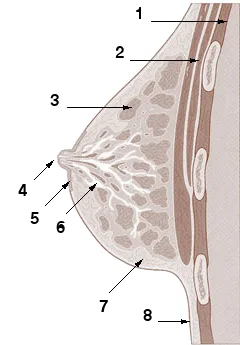
Image source: Wikimedia Commons / User:YolanC
Quick Answer
The dumbbell bench press works the pectoralis major, anterior deltoid, and triceps brachii. The flat bench emphasizes the middle chest. Incline shifts load to the upper chest.
Decline targets the lower chest. Grip width and elbow angle change how much each muscle contributes.
Why Knowing the Right Muscles Actually Matters (And Why Most People Get It Wrong)
Here’s the thing. You can do dumbbell bench press for years and still have a shallow upper chest. You can press heavy weight and wonder why your shoulders are taking over.
Those are symptoms of the same problem. You’re activating the wrong muscles for your goal.
The dumbbell bench press is a compound movement. That means multiple joints work together. Your shoulder joint moves through flexion and horizontal adduction.
Your elbow joint extends. Each of those actions is driven by a different muscle group. If you set up wrong, one group dominates and the others barely get worked.
The most common mistake we see in aggregate reviews and coaching feedback is letting the front delt steal the show. Lifters lower the dumbbells too high on the chest, flare their elbows, and suddenly their shoulders are screaming. Their chest feels nothing.
That’s not a bad exercise. That’s poor execution.
Understanding the anatomy means you can fix it. You walk in knowing which muscles should be firing. You feel it when they aren’t.
You adjust. That’s the difference between spinning your wheels and making real progress.
The Main Players: Chest, Shoulders, and Triceps — How They Share the Load
Let’s break down exactly what each muscle does during a single rep.
Which Muscle Does Most of the Work?
The pectoralis major is the primary mover. It’s the large fan-shaped muscle that covers your upper ribcage. Its job is horizontal adduction.
That means bringing your arms together across your chest. When you press the dumbbells up, your pecs are the ones producing most of the force.
But the pec major has two distinct heads. The clavicular head attaches near your collarbone. The sternal head attaches along your breastbone.
Research consistently shows that the sternal head is most active during a flat bench press. The clavicular head fires harder when the bench is inclined between 15 and 30 degrees.
The anterior deltoid assists during the press, especially in the bottom half of the movement. It’s a synergist here, not the main driver. But if your elbows drift too far forward, the front delt takes over.
You’ll feel it in the top of your shoulder instead of across your chest.
The triceps brachii handles the lockout. As your elbows extend in the top portion of the press, the triceps push through to finish the rep. If your triceps give out before your chest is fully worked, you’ve got a weakness you need to address separately.
How Grip and Elbow Angle Change Everything
This is where most people go wrong. The angle of your upper arm relative to your torso determines which muscles get the most stimulation.
Keep your elbows tucked closer to your body, around a 45 to 60 degree angle from your torso. This position keeps more tension on the pec major and reduces strain on the shoulder joint. Scientific American once described similar pressing mechanics as “overhead pressing’s safer cousin.” That’s not far off.
Let your elbows flare out to 90 degrees and you shift load to the front delt. You also put the shoulder joint in a vulnerable position. The rotator cuff has less room to work.
Impingement risk goes up.
Incline vs. Flat vs. Decline — What Each Angle Targets
This is where a simple visual helps.
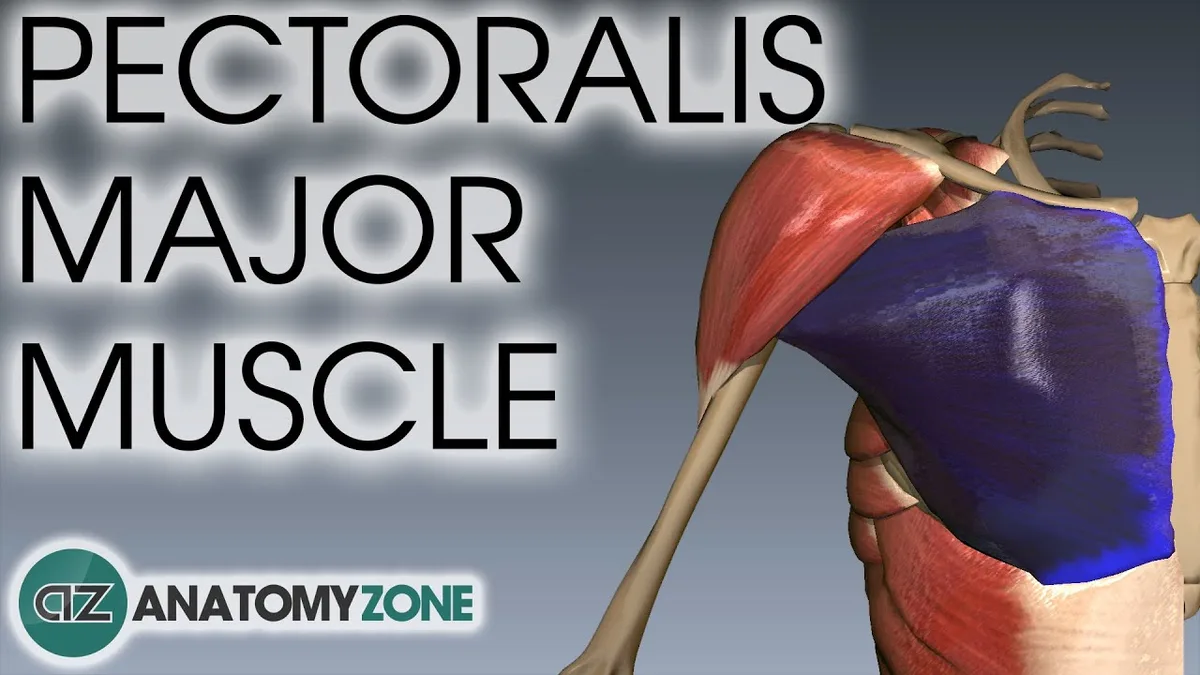
Image source: YouTube / AnatomyZone (YouTube thumbnail (fair-use with source credit))
The incline dumbbell press shifts the emphasis to the clavicular head of the pectoralis major. That’s the upper chest. Most people’s upper chest is underdeveloped compared to the middle and lower portions.
An incline angle between 15 and 30 degrees does the job. Anything steeper and your front delt takes over.
The flat dumbbell press works the middle chest most heavily. The sternal head gets the bulk of the work here. This is often considered the standard chest builder, and for good reason.
It hits the largest portion of the pec major.
The decline dumbbell press emphasizes the lower sternal head. It also involves more triceps because the range of motion is shorter. Some lifters use it to fill out the lower chest, but it’s less common in general training programs.
The key takeaway is simple. Use flat for middle chest mass. Use incline for upper chest development.
Use decline if you need lower chest specificity, but don’t skip flat and incline first.
The Supporting Cast: Stabilizers You Didn’t Know Were Working
You don’t just press with your chest and arms. Your whole body has to stay stable while the dumbbells move.
The serratus anterior runs along your ribcage and helps rotate your shoulder blade during the press. It’s a small muscle, but it matters for shoulder health. If your shoulder blades aren’t stable, your pressing mechanics suffer.
The rotator cuff muscles fire to keep the humeral head centered in the shoulder socket. They’re not prime movers, but they protect your joint. Weak rotator cuffs lead to impingement and pain.
That’s why proper setup matters before you ever press the weight.
Your core also works isometrically. Your abs and obliques brace to keep your lower back pressed against the bench. Without that stability, your body arches excessively and you lose power transfer.
If you want to focus on building a stronger overall frame, the dumbbell bench press is a compound movement that recruits more than just the obvious muscles. It’s a full upper body exercise when done correctly.
The #1 Problem: Your Shoulders Are Stealing the Work (And How to Fix It)
This deserves its own section because it’s the most common issue we see. You set up on the bench. You press.
You finish your set. Your chest barely feels worked, but your front delts are fried.
What happened?
You let your shoulders take over. Usually because of one of these mistakes.
You lowered the dumbbells too high on your chest, near your collarbone. That puts your arms in a position where the front delt is mechanically advantaged. The pec major can’t generate as much force from that angle.
You flared your elbows out too wide. That reduces the stretch on the chest and increases stress on the shoulder joint.
You didn’t retract your shoulder blades. When your shoulder blades slide forward, your shoulders round inward. The chest can’t contract properly.
Here’s the fix.
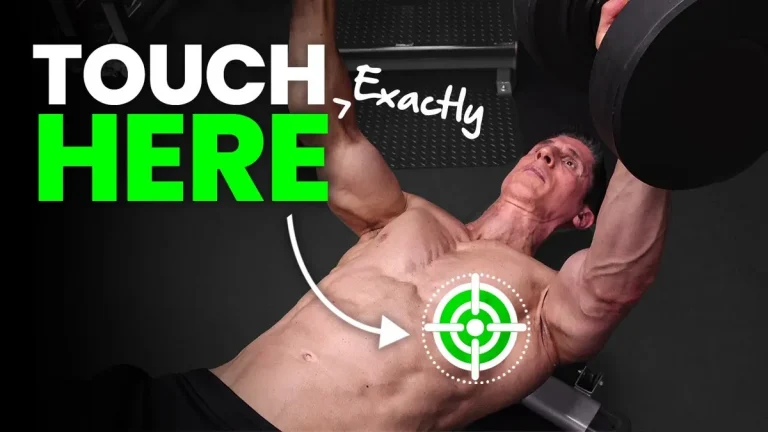
Pinch your shoulder blades together before you lie back. Keep them pinned throughout the set. Lower the dumbbells toward your lower chest, around nipple height.
Keep your elbows at roughly a 45 degree angle from your torso. Think about pulling the dumbbells apart at the bottom, not just lowering them.
You’ll feel the stretch across your chest. That’s the pec major being loaded. That’s the sensation you want.
If you’re struggling with wrist discomfort during pressing, adding wrist straps can help keep your wrists neutral and reduce strain. It’s a small adjustment that makes the movement feel more stable.
Step-by-Step Setup to Hit the Right Muscles
The setup determines the outcome. Skip it and you’re guessing. Here’s how to get it right every time.
Step 1: Shoulder Blade Position (The Most Overlooked Step)
Lie on the bench with your feet flat on the floor. Reach up and grab the dumbbells. Before you press, squeeze your shoulder blades together and pull them down toward your back pockets.
Keep them there.
This does two things. It creates a stable base for pressing. It also opens up your chest, putting the pec major in a better position to contract.
If your shoulder blades slide forward during the press, you lose that stability. The front delt takes over. Reset between reps if you need to.
Step 2: Grip and Elbow Placement by Goal
Your grip should be roughly shoulder width. Your elbows should be at about a 45 degree angle from your torso.
If your goal is upper chest development, use a slight incline and keep the elbows a bit more tucked. If your goal is overall chest mass, a moderate elbow angle on a flat bench works best.
If your goal is triceps emphasis, narrow your grip and keep your elbows tight to your body. That shifts the work from chest to arms.
Step 3: The Descent — Where the Real Activation Happens
Lower the dumbbells slowly and under control. Aim for about two to three seconds on the way down. Bring them to your lower chest, roughly at nipple level.
You should feel a stretch across your chest at the bottom. If you feel it in your shoulder joint instead, adjust the arc of the dumbbells. They should travel slightly outward as they come down, not straight down.
Step 4: The Press — Common Cues That Actually Work
Press the dumbbells back up. Don’t just push straight up. Think about driving them in a slight arc toward each other at the top.
You don’t need to clink them together, but the arc keeps tension on the chest through the whole range of motion.
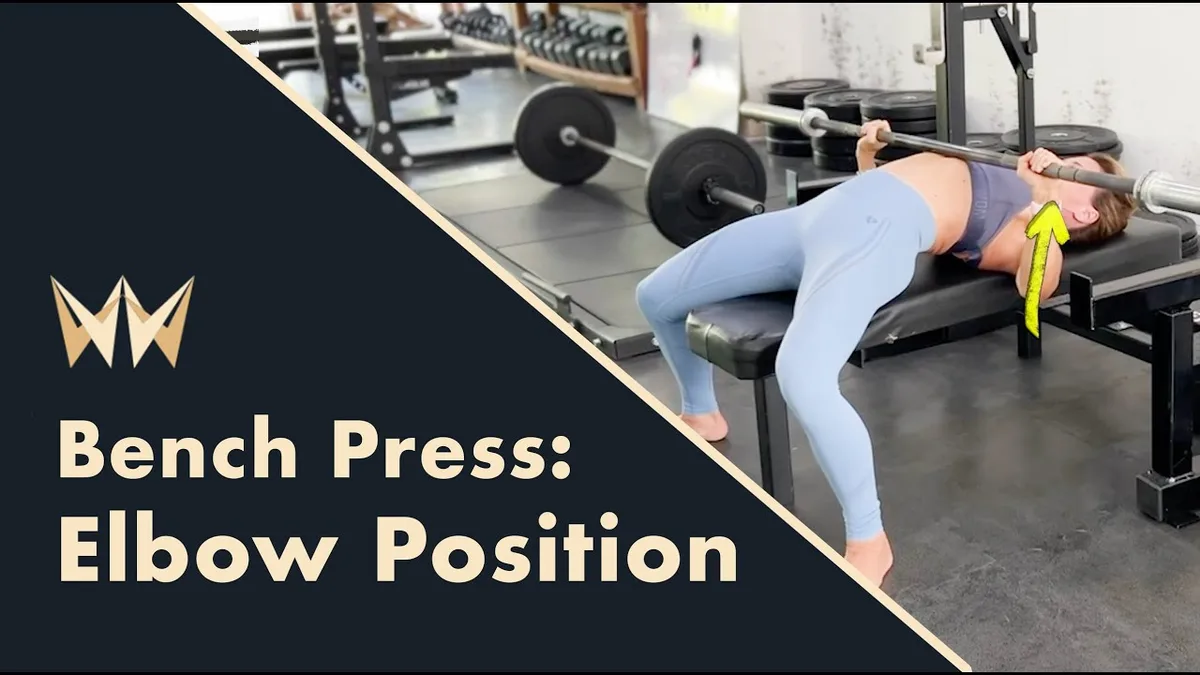
Image source: YouTube / The Wonder Women (YouTube thumbnail (fair-use with source credit))
Exhale as you press. Keep your shoulder blades pinned. Don’t let your shoulders roll forward at the top.
At lockout, your arms should be extended but not locked rigid. Hold the contraction for a brief second, then lower again.
If you’re new to dumbbell pressing, following a structured approach to building up your lifts can prevent bad habits. It’s worth reviewing proper lifting form before adding weight.
Dumbbell vs. Barbell Bench Press: Muscle Activation Differences
You might wonder if switching to a barbell changes which muscles get worked. The short answer is yes, but not in the way most people think.
The barbell bench press locks your hands into a fixed position. That forces a specific grip width and a straight bar path. It’s efficient for loading heavy weight, but it limits the range of motion at the bottom.
Your shoulders and elbows are stuck in one plane.
The dumbbell bench press lets each arm move independently. That means a longer stretch at the bottom. EMG studies consistently show greater pectoralis major activation with dumbbells compared to barbells at equivalent loads.
The reason is simple. A deeper stretch recruits more muscle fibers.
The barbell also favors the triceps more on the flat bench. The bar path is more vertical, so lockout requires more elbow extension. With dumbbells, the arc of the press keeps tension on the chest through a wider range.
That said, the barbell allows you to lift heavier weight overall. If your goal is pure strength, the barbell wins. If your goal is muscle growth and balanced development, dumbbells have a clear edge.
Here’s a quick comparison.
| Aspect | Dumbbell Bench Press | Barbell Bench Press |
|---|---|---|
| Range of motion | Longer (deeper stretch) | Shorter (bar hits chest) |
| Muscle activation | Higher pec activation per EMG | Higher triceps involvement |
| Strength potential | Lower (stabilizer demand) | Higher (can load more weight) |
| Shoulder safety | Lower stress on joints | Higher impingement risk |
| Balance requirement | High (each arm works alone) | Low (bar stabilizes) |
If you want to build a well rounded chest, dumbbells are usually the better choice. But a smart program includes both. Use barbell for heavy overload and dumbbells for volume and muscle shaping.
Common Mistakes That Kill Your Muscle Targeting
Even with good form, small errors can shift the work away from your chest. Here are the ones we see most often in aggregate coaching feedback.
Flaring elbows too wide. This is the number one culprit. When your elbows point out at 90 degrees, your front delt takes over. Your shoulder joint also enters a position of high impingement risk.
Keep your elbows at roughly 45 degrees from your torso.
Lowering the dumbbells too high on the chest. If the dumbbells touch near your collarbone, your shoulders do most of the pressing. Bring them to your lower chest or nipple line instead. That keeps the pec major under tension through the full range.
Not retracting the shoulder blades. This is subtle but massive. Without retraction, your shoulders round forward. The chest can’t contract effectively.
You lose power and activation. Pinch them together before you press and hold them there.
Relying on momentum. Bouncing the dumbbells off your chest or using a fast, jerky press recruits less muscle tissue. Control the eccentric. Lower in two to three seconds.
Explode up but don’t lose tension at the top.
Using too much weight before you have control. Heavy dumbbells look impressive, but they often lead to sloppy reps. Your stabilizers can’t keep up. Your form breaks down.
Drop the weight and focus on feeling the chest work through every rep.
If you find yourself struggling with grip stability under heavy loads, wrist straps can help you keep your wrists neutral. That takes one variable out of the equation so you can focus on the press itself.
How to Know If You’re Hitting the Right Muscles (Real Feedback Cues)
You don’t need a mirror to know if your chest is working. You need to feel the right sensations.
After a set of dumbbell bench press, your chest should feel full and pumped. That’s blood flow and muscle activation. If your front delts are the only thing burning, something is off.
Here are a few cues to check mid set.
Feel the stretch at the bottom. When the dumbbells reach your chest, you should feel a pull across your pectorals. If you feel it in your shoulder joint instead, adjust the angle. The dumbbells should travel slightly outward as they descend.
Feel the contraction at the top. As you press up, think about squeezing your chest together. You don’t need to touch the dumbbells. Just imagine pulling them toward each other.
That mental cue activates more chest fibers.
Check your shoulder blades. Between reps, reset your retraction. If your shoulder blades slid forward, pull them back. That keeps the chest in the right position.
Notice your triceps fatigue. If your triceps give out before your chest feels worked, you’re pressing with too much elbow extension. Widen your grip slightly and focus on the pec drive, not the lockout.
For women targeting upper body strength and toning, the same cues apply. The dumbbell bench press is an excellent compound movement that builds functional pushing power and chest definition.
Programming Tips: Sets, Reps, and When to Use Each Variant
How you program the dumbbell bench press depends on your goal. Here’s a breakdown based on standard training principles.
For muscle growth (hypertrophy). Use 8 to 12 reps per set. That’s the sweet spot for time under tension. Rest 60 to 90 seconds between sets.
Do 3 to 4 working sets. Stick with flat or incline dumbbell press as your primary chest movement.
For strength. Go heavier in the 3 to 6 rep range. Rest longer, around 2 to 3 minutes. Use flat dumbbell press as an accessory to your barbell bench press.
The dumbbells build stability and fix imbalances that the barbell doesn’t address.
For endurance. Use 12 to 15 reps with lighter weight. Short rest periods, around 30 to 45 seconds. This is less common for chest specific work but useful in full body conditioning circuits.
When to use each variant. Flat dumbbell press is your main chest builder. Use it first in your workout. Incline dumbbell press is best for upper chest development.
Do it after flat press or on a separate day. Decline dumbbell press is optional. Use it if your lower chest needs extra work, but don’t prioritize it over flat and incline.
A sample chest day might look like this.
- Flat dumbbell bench press: 4 sets x 8 to 10 reps
- Incline dumbbell press: 3 sets x 10 to 12 reps
- Dumbbell fly or cable crossover: 3 sets x 12 to 15 reps
- Push ups: 2 sets to failure
That structure covers all areas of the chest with the right volume and intensity.
When to Choose Alternatives (Push-Ups, Flies, Machine Press)
The dumbbell bench press is fantastic, but it’s not the only tool. Sometimes you need a different angle or a break from pressing.
Push ups. They work the same muscles as the flat bench press. The difference is body weight and stability. Push ups emphasize the serratus anterior and core more because your whole body has to stay rigid.
They’re great for warm ups, finishers, or home workouts. Elevate your feet to shift load to the upper chest.
Dumbbell flies. Flies isolate the chest better than any press. The movement is pure horizontal adduction. No triceps involvement.
That means you can target the pec major directly. The downside is you can’t lift as heavy. Use flies after your main pressing work.
They’re excellent for adding volume without fatiguing your triceps.
Machine chest press. The machine controls the path of the press. That reduces stabilizer demand. It’s useful if you have shoulder issues or want to load heavy without worrying about balance.
But it doesn’t build the same stability as free weights. Use it as a supplement, not a replacement.
Cable crossovers. Cables provide constant tension through the full range of motion. That’s different from dumbbells, where the weight is hardest at the bottom and easiest at the top. Cables are ideal for finishing movements.
They pump blood into the chest and create a strong mind muscle connection.
The best approach is variety. Use dumbbell bench press as your foundation. Rotate in alternatives when you need a new stimulus or when your joints need a break.
Frequently Asked Questions
Does the dumbbell bench press work the lower chest?
Yes. The flat dumbbell bench press targets the sternal head of the pectoralis major. That’s the middle and lower portion.
Decline dumbbell press shifts even more emphasis to the lower chest. But most people get enough lower chest work from the flat press alone.
Can you build a big chest with only dumbbells?
Absolutely. Many lifters build impressive chests using only dumbbells. The key is progressive overload.
Gradually increase the weight over time. Use a full range of motion. Include both flat and incline pressing.
That covers the entire pectoralis major.
Which is better for shoulder safety, dumbbells or barbell?
Dumbbells are generally safer. They allow each arm to move independently. That reduces stress on the shoulder joint.
The barbell locks your hands in place, which can aggravate shoulder impingement. If you have a history of shoulder issues, dumbbells are the better choice.
How much weight should I use for dumbbell bench press?
Start with a weight you can control for 10 to 12 reps with good form. For most men, that’s around 30 to 50 pounds per hand. For most women, 15 to 30 pounds per hand.
Focus on technique first. Add weight only when you can complete all reps without form breakdown.
Should I do dumbbell bench press first or last in my workout?
Do it first. It’s a compound exercise that requires the most energy and stability. Fresh shoulders and triceps mean better form and heavier weight.
Save isolation work like flies or cables for later in the session.
How often should I do dumbbell bench press?
Two times per week is ideal for most people. That gives enough volume for growth without overtraining your chest and shoulders. Space the sessions at least 48 hours apart.
For example, Monday and Thursday works well.
Safety Notes: Shoulder Health and Joint Longevity
The dumbbell bench press is safer for your shoulders than a barbell, but it’s not risk free. The most common injury comes from poor setup, not the exercise itself.
If you feel a sharp pinch in the front of your shoulder during the press, stop immediately. That’s often a sign of impingement. Your rotator cuff is getting pinched between the humeral head and the acromion.
Flared elbows are usually the cause. Tuck them in and lower the dumbbells to your lower chest instead.
Warm up your shoulders before pressing. Arm circles, band pull aparts, and light rotator cuff work for five minutes makes a real difference. Cold shoulders get injured.
Warm ones don’t.
If you have a history of shoulder dislocations or labral tears, talk to a physiotherapist before loading heavy dumbbells. The independent movement of each arm helps, but heavy loads still stress the joint capsule.
For general joint longevity, don’t lock out hard at the top of each rep. Keep a slight bend in your elbows. That maintains tension on the chest and reduces stress on the elbow joint over thousands of reps.
The Bottom Line: What to Focus On Based on Your Goal
We covered a lot of ground. Here’s how to apply it.
If your goal is chest size, prioritize flat and incline dumbbell press in the 8 to 12 rep range. Control the eccentric. Use a full range of motion.
Add weight steadily over weeks.
If your goal is upper chest development, make incline dumbbell press your primary movement. Use a 15 to 30 degree bench angle. Keep your elbows slightly tucked.
Feel the stretch near your collarbone on every rep.
If your goal is strength, use dumbbell press as an accessory to the barbell bench press. Focus on the 3 to 6 rep range. Use flat bench.
Let the dumbbells fix your imbalances.
If your goal is shoulder safety, stick with dumbbells over barbells. Keep your shoulder blades retracted. Control the weight on the way down.
Never sacrifice form for a heavier pair of dumbbells.
The dumbbell bench press is one of the most effective upper body exercises you can do. But only if you set it up right, target the right muscles, and listen to what your body tells you. Now you know exactly how to do that.
Go put it to work.