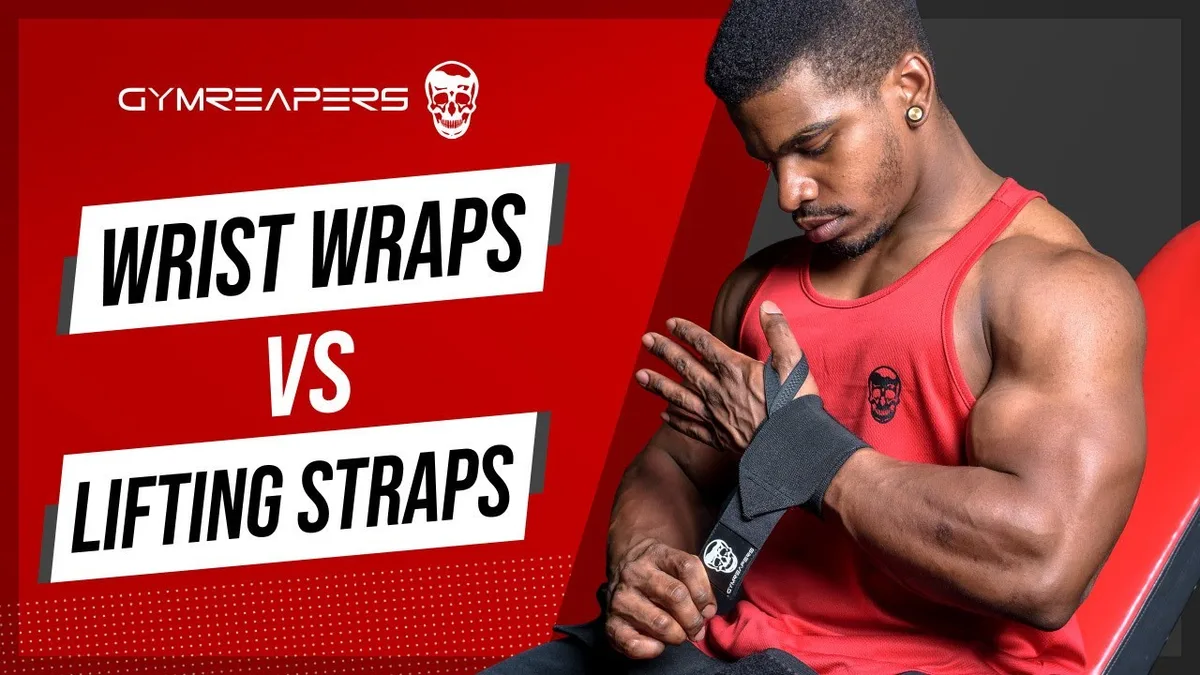
How to Use Wrist Straps With Dumbbells Step by Step
How to Use Wrist Straps With Dumbbells Step by Step
You've seen them hanging in the gym. Maybe you've even bought a pair. But standing there with a heavy dumbbell in one hand and a nylon strap in the other, it's easy to feel unsure.
Learning how to use wrist straps for dumbbells properly is the step that turns a confusing accessory into a genuine training tool.
Per manufacturer specifications from the industry, a standard cotton strap measures 1.5 inches wide and 18 inches long. The loop itself sits in a specific spot on the wrist. Get that spot wrong, and you're looking at numbness, pinching, or a dropped weight.
Let's break down what you actually need to know.
Quick Answer
Slide the loop over your thumb and center it on the back of your wrist. Wrap the strap around the dumbbell handle twice. Grip the handle firmly over the strap.
Lift with a neutral wrist. Release by opening your palm when done. The strap takes the grip load, not your wrist.
Why Getting It Right Matters (The Safety Side)
This is not about comfort. It's about keeping your wrists healthy while you lift heavier. When you wrap a strap incorrectly, the load transfers through the soft tissues of your wrist rather than the bones and ligaments designed to handle it.
The median nerve runs through your wrist. A strap placed too low, across the palm or the wrist crease, can compress that nerve. Aggregate reviews from strength coaches report that improper strap placement is a leading cause of wrist pain during heavy dumbbell work.
The National Strength and Conditioning Association emphasizes proper equipment use to prevent training injuries, and correct strap placement is a key part of that.
There is also the risk of dropping the weight. A strap that slips off the wrist or loosens mid-rep turns a controlled dumbbell into a falling hazard. This is especially dangerous on exercises like heavy dumbbell deadlifts or single-arm rows where the weight is already in motion.
The right technique keeps the strap locked against the bony part of the wrist. That distributes the load evenly and keeps your grip secure. It also lets you focus on the muscle you're actually training instead of fighting to hold onto the handle.
As of 2026, the consensus among strength professionals is clear: proper strap use is a safety skill, not just a convenience.
The Anatomy of a Wrist Strap: What You're Actually Working With
A wrist strap is a deceptively simple piece of equipment. But those few inches of fabric have specific parts that matter for how you use them.
The main components are:
The loop. This is the opening you slide your hand through. It sits around your wrist. The size of the loop determines how snugly the strap fits. Some loops are sewn in place. Others are adjustable with a buckle or velcro.
The tail. This is the long strip of fabric that wraps around the dumbbell handle. Tails range from 12 to 18 inches. A longer tail gives you more wraps around the handle. A shorter tail is easier to manage but may not secure heavier dumbbells.
The stitching. Double-stitched straps are stronger. Single-stitched straps can fail under heavy loads. For dumbbells over 80 pounds, double-stitching is a minimum requirement.
The material. Cotton grips well when dry but absorbs sweat and becomes slippery. Nylon is slicker but lasts longer and dries faster. Suede offers a good balance of grip and durability. Neoprene adds padding but adds bulk.
The loop placement is the most critical part. It should sit on the back of your wrist, just past the wrist bone. Not on the palm side.
Not down on the forearm. Right on that bony ridge. That spot gives you the best mechanical advantage.
This is especially important for exercises like single-arm dumbbell rows where you're pulling a heavy weight through a long range of motion. A well-placed loop keeps the strap secure through every rep.
The Step-by-Step Guide to Wrapping and Lifting
This is where the rubber meets the road. Or rather, where the fabric meets the dumbbell. Follow these steps in order.
Do not skip any of them.

Image source: YouTube / Tynor (YouTube thumbnail (fair-use with source credit))
Step 1: Positioning the Loop on Your Wrist
Hold the strap with the loop facing up. Slide your hand through from the outside, so the loop sits on the back of your wrist. The tail should hang down toward your palm.
Most people put the loop on the palm side. That is wrong. It shifts the tension into your hand and cuts off circulation.
The back of the wrist is the anchor point.
Step 2: Folding the Flap and Setting Tension
If your strap has a velcro flap, pull it snug. It should be tight enough that the strap doesn't slide around but loose enough to fit two fingers underneath. Overtightening causes numbness.
Undertightening causes slippage.
For straps without velcro, you adjust the tension by how you wrap the tail later.
Step 3: Wrapping Around the Dumbbell Handle
Pick up the dumbbell with your free hand. Hold it at the center of the handle. With your strapped hand, take the tail of the strap and wrap it around the handle, going over the top and coming back toward your wrist.
Wrap it twice. One wrap is not enough. Three wraps reduce the effective length of the strap and can bunch up.
Two wraps is the sweet spot for most dumbbells.
Step 4: Gripping and Locking In
Now close your hand over the wrap. Your palm should press the strap against the handle. Your thumb locks over the strap.
This is what holds everything in place.
Do not wrap the strap over your thumb. The strap goes under your thumb, between your thumb and the handle. That gives you maximum contact and control.
Step 5: The Lift and the Release
With the strap secured, lift the dumbbell. Keep your wrist neutral. Do not bend it forward or backward.
The strap is taking the grip load, not the wrist position.
To release, simply open your palm. The strap will loosen and the dumbbell will drop onto the rack or floor. Do not try to unwrap it while holding the weight.
That's how you drop a dumbbell on your foot.
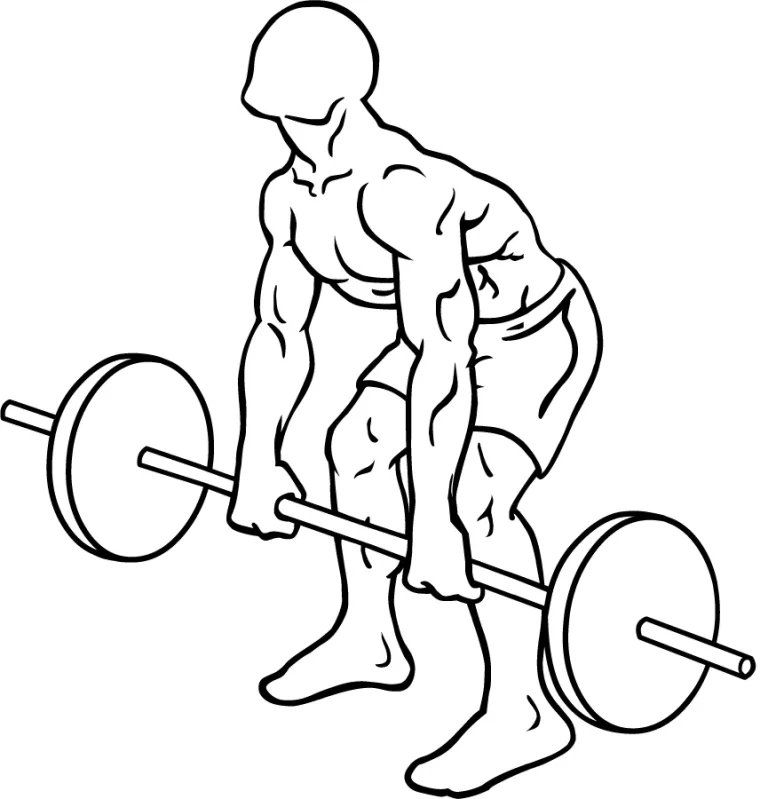
This technique works well for building your traps with dumbbells during heavy shrugs. The strap lets you bypass forearm fatigue and focus entirely on the upper traps.
Common Mistakes That Will Hurt You or Ruin Your Lift
Even experienced lifters make these errors. Here is what to watch for.

Image source: YouTube / My Mate VINCE (YouTube thumbnail (fair-use with source credit))
The loop on the palm. This is the most common mistake. When the loop sits on your palm, it pulls on the soft tissues of your hand. You lose grip strength.
You also risk compressing the nerves in your palm. The loop belongs on the back of your wrist.
Too tight. A strap cinched down like a tourniquet cuts off blood flow to your hand. You will feel tingling or numbness within a few reps. Back off the tension.
Snug is good. Cutting off circulation is not.
Too loose. A loose strap provides no support. The dumbbell shifts in your grip. You waste energy fighting to keep the handle in place.
The strap should be firm enough that the handle feels locked into the fabric.
Wrapping the strap over your fingers. Some people wrap the strap around the handle and then over their fingers for extra grip. This is dangerous. If the strap slips, it pulls your fingers into a bent position.
That can cause a sprain or fracture.
Using straps for every set. Your grip is a muscle group too. If you use straps for every exercise, your grip strength will stagnate. Save them for heavy sets or isolation work where grip fatigue limits your target muscle.
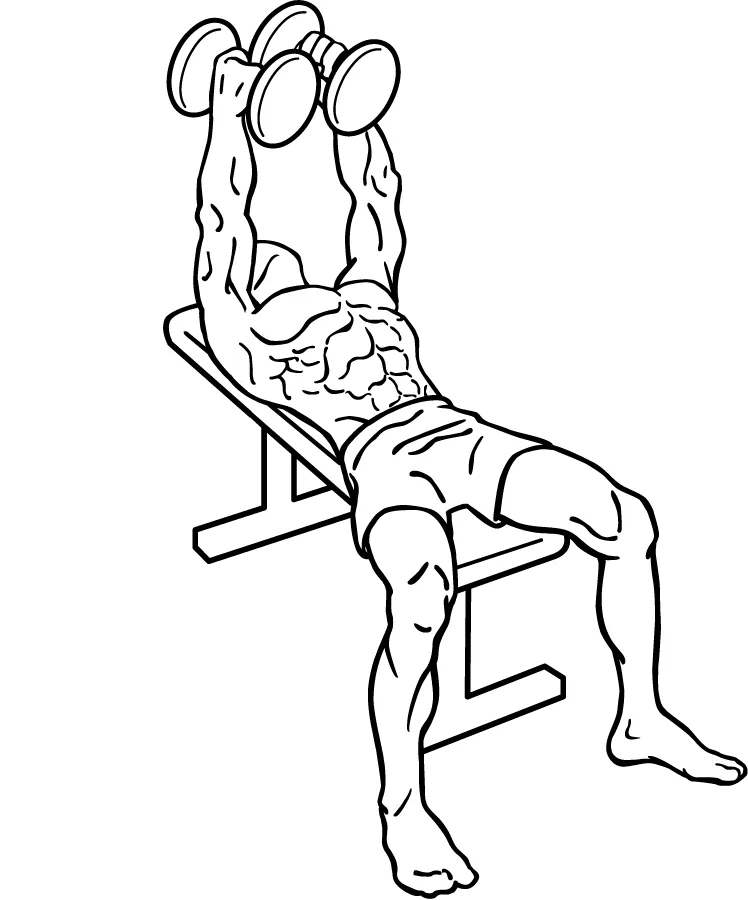
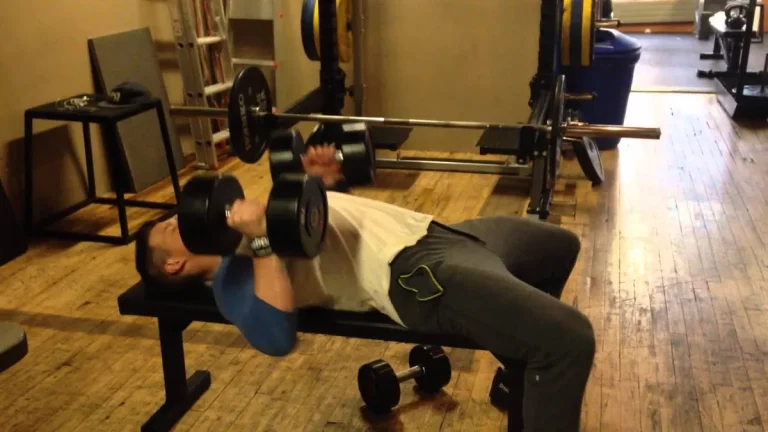
If you're doing chest training with dumbbells, you usually don't need straps. The loads are lower and the grip demand is minimal. Save the straps for pulling movements and heavy compounds.
Choosing the Right Strap Material and Design for Dumbbells
Not all straps work the same with dumbbells. The handle shape, the knurling, and the weight all affect which strap you should use.
Cotton straps are the most common. They grip well on knurled handles. They soften with use.
They are cheap. But they absorb sweat, and once wet, they become slippery. For high-volume workouts, they need frequent washing.
Nylon straps are more durable. They resist moisture. They are thinner, so they fit under your palm without adding bulk.
The trade-off is less natural grip against the handle. Nylon can slide on smooth dumbbell handles.
Suede straps offer the best of both worlds. They grip well wet or dry. They are soft against the skin.
They are more expensive. For heavy dumbbell work, suede is the preferred material among serious lifters.
Neoprene straps include padding. This is helpful if you have sensitive wrists or old injuries. The padding adds bulk, which can make it harder to wrap around smaller dumbbell handles.
Here is a quick comparison:
Material Grip (Dry) Grip (Wet) Durability Cost
Cotton Good Poor Moderate Low
Nylon Fair Good High Low
Suede Excellent Good High High
Neoprene Good Good Moderate Medium
For dumbbells specifically, suede or cotton works best. The knurling on most dumbbell handles gives cotton enough grip. Suede adds security for very heavy dumbbells.
Avoid figure-8 straps for most dumbbell work. They are designed for barbells and pull-ups. The dual loops can be awkward to wrap around a single dumbbell handle.
Stick with standard loop straps.
If you're working on shoulder exercises with dumbbells, you might not need straps at all. Shoulder pressing usually doesn't load the grip enough to require them. Save the straps for pulling movements where your grip gives out before the target muscle.
When Straps Aren't the Answer – Alternatives Worth Knowing
Wrist straps are a tool, not a crutch. There are times when another option works better.
Lifting hooks are the closest alternative. They have a metal hook that attaches to the handle and a padded wrist support. Hooks take all the grip work out of the lift.
The downside is reduced control. You cannot adjust your grip mid-rep. For heavy dumbbell rows, hooks are a solid choice.
For any exercise requiring wrist movement, they are not.
Lifting gloves provide grip but no wrist support. They help with calluses and sweaty hands. They do not help with grip fatigue.
If your problem is a weak grip, gloves will not solve it.
Chalk is the simplest alternative. It dries your hands and increases friction. It costs almost nothing.
It works well for dumbbells under 60 pounds. For heavier loads, chalk alone is often not enough.
Versa Grips are a hybrid. They combine a strap with a glove-like pad. They are easier to put on and take off than traditional straps.
They cost more. For dumbbells, they work well but add more bulk than a standard strap.
Grip pads are small pieces of rubber or silicone. You wrap them around the handle. They add thickness and friction.
They are useful for people with small hands. They do not help with wrist support.
Here is when to use each:
Alternative Best For Not For
Lifting hooks Heavy rows, deadlifts Pressing, overhead work
Chalk Moderate loads, sweaty hands Very heavy dumbbells
Gloves Callus protection, comfort Grip fatigue
Versa Grips Frequent strap users Low budget
Grip pads Small hands, arthritis Wrist support
If you are still building your grip strength, skip the straps entirely. Use chalk and focus on building muscle with dumbbells through progressive overload. Your grip will catch up.
How to Maintain Your Straps and When to Replace Them
Straps wear out. A frayed strap is a safety hazard. Here is how to keep yours in good shape.
Wash them regularly. Cotton straps absorb sweat and bacteria. Hand wash them in cold water with mild soap. Air dry them.
Do not put them in the dryer. The heat weakens the fibers.
Nylon straps can go in the washing machine on a gentle cycle. Put them in a mesh bag to prevent tangling. Air dry only.
Suede straps need special care. Spot clean with a damp cloth. Do not soak them.
Suede loses its grip when it gets wet.
Check the stitching. Before each workout, run your thumb along the seam. If you feel loose threads or see gaps in the stitching, it is time to replace them.
Look for fraying. The edges of the strap are the first to wear. If the fabric is unraveling, the strap could snap under load.
Replace them every 6 to 12 months with regular use. Heavy use means every 6 months. Light use means once a year.
This is a cheap insurance policy against a dropped dumbbell.
Store them properly. Do not ball them up in the bottom of your gym bag. Roll them loosely. Keep them dry.
Mold can grow on damp cotton straps.
Frequently Asked Questions
How tight should wrist straps be?
Snug enough that the strap does not slide around on your wrist. You should be able to fit two fingers between the strap and your skin. If your fingers cannot fit, the strap is too tight.
If the strap moves freely, it is too loose.
Do wrist straps help with wrist pain?
Yes, but only if the pain comes from gripping. Straps transfer the load from your grip to your wrist. For wrist pain caused by tendonitis or arthritis, straps can actually make things worse.
If you have existing wrist pain, consult a physical therapist before using straps.
Can I use wrist straps for push exercises?
You can, but you usually do not need to. Pressing movements like bench press or shoulder press do not challenge your grip enough to require straps. Using them on push days can actually make your grip weaker over time.
Save them for pulling exercises.
How do I know if my straps are too long?
If the tail of the strap wraps around the dumbbell handle more than three times, it is too long. The excess fabric bunches up under your palm. This creates pressure points.
Standard 18-inch straps work for most dumbbells. For very thick handles, you might need longer straps.
Why do my hands go numb when I use straps?
Numbness means the strap is pressing on a nerve. The most common cause is the loop sitting on the palm side of your wrist. Move the loop to the back of your wrist.
If numbness persists, loosen the strap. If it still happens, switch to a wider strap that distributes pressure better.
Can beginners use wrist straps?
Absolutely. There is no rule that says you need a certain level of strength before using straps. Just do not rely on them for every exercise.
Build your grip strength alongside your lifts. Use straps for the heaviest sets only.
The Bottom Line – Should You Use Straps for Dumbbells?
The answer depends on your goal.
If your grip is the limiting factor in your training, yes. Use straps. They let you overload your target muscles without your forearms giving out first.
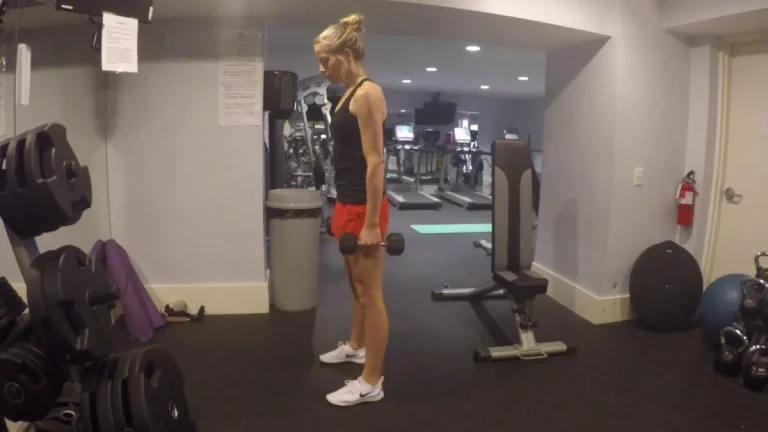
This is especially useful for exercises like the dumbbell deadlift where the weight is heavy and the range of motion is long.
If you are training for grip strength, do not use straps. Train your grip directly. Use thick-handled dumbbells, farmer's carries, or dedicated grip work.
If you are a beginner, learn the movements first. Master the form without straps. Then add them when you need to push past a plateau.
The research is clear. Properly used wrist straps are a safe and effective tool. Improperly used straps are a risk.
Take the time to learn the technique. It takes five minutes to learn and a lifetime of safer lifting.
Keep your straps clean. Check them for wear. Use them for the right exercises.
And remember: they are a tool, not a replacement for grip strength.