How to Use Power Block Dumbbells for Beginners
If you're wondering how to use power block dumbbells safely, you're not alone. These adjustable dumbbells pack a lot of weight into a compact frame, but the mechanism is different from a standard set. A small mistake can mean a dropped weight or a pinched finger.
Get it right, though, and you unlock a whole home gym in a single rack.
Manufacturer specifications show that the selector pin must fully seat into the weight stack before any lift. As of 2026, every model from the Elite to the Pro series uses the same core locking system refined over two decades. That design is reliable, but it demands respect.
Understanding how it works is the first step to using it safely.

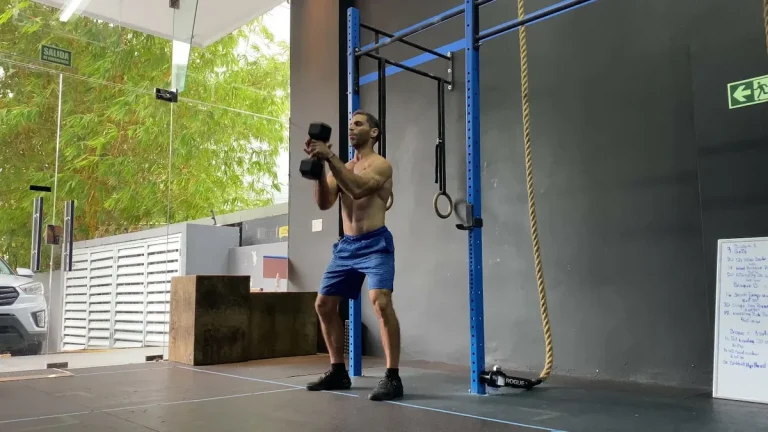
Image source: YouTube / Discover New Tech (YouTube thumbnail (fair-use with source credit))
Quick Answer
Insert the selector pin into the correct weight hole. Push until you hear a click. Verify the pin is locked.
Grip the handle and lift. Return to the stand before adjusting.
Why Getting It Right Matters
PowerBlock dumbbells are not drop-proof. Unlike fixed dumbbells, the internal rail system can bend or break if you let the weight fall. A bent rail means the selector pin won't seat properly.
That can lead to a weight plate slipping off mid-lift.
Pinched fingers are another real risk. The selector pin fits snugly into the weight stack. If you rush or force it, skin can get caught between the plates.
That's a fast way to break a workout.
Overloading beyond the model's rated capacity is dangerous. The handle assembly is designed for a specific maximum weight. Going over that can cause the handle to snap or the pin to shear.
Manufacturer specifications clearly state the limit for each model.
Building a safe routine starts with understanding these risks. The same caution applies to any exercise, whether you're targeting your chest muscles or working on pulling exercises like rows. proper form keeps you safe and helps you progress.
Core Explanation / How It Works
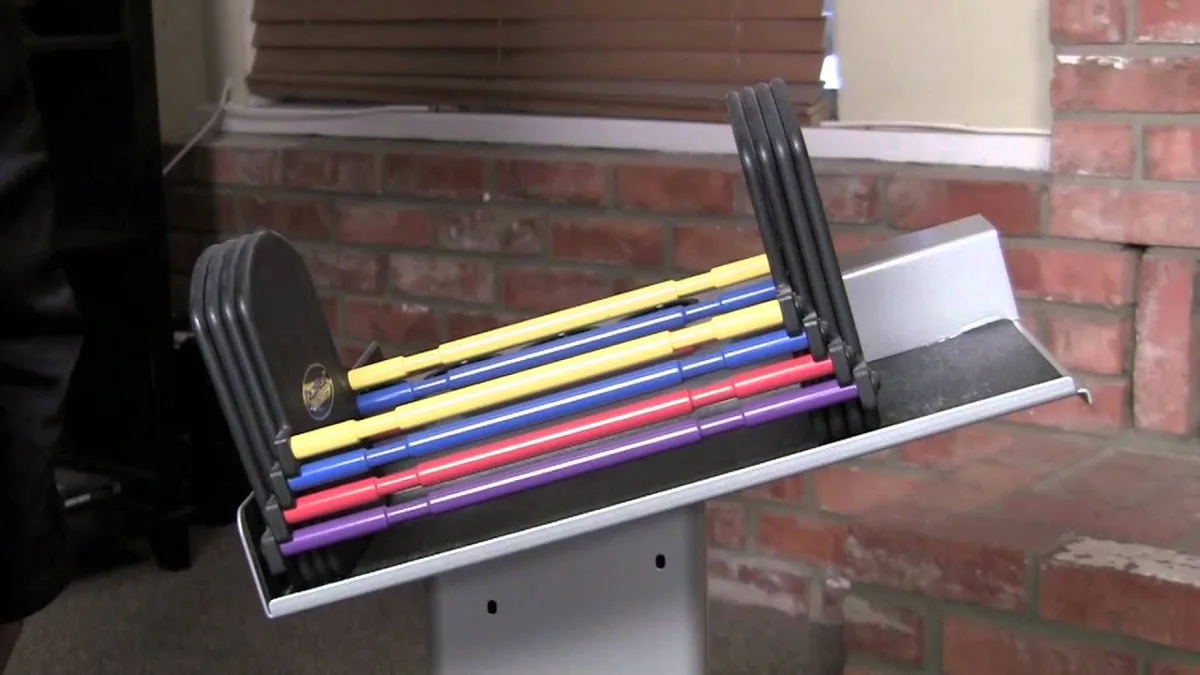
Image source: YouTube / PowerBlockVideos (YouTube thumbnail (fair-use with source credit))
The Selector Pin: How It Locks (and How It Can Fail)
The selector pin is the heart of the system. It slides through a hole in the handle and into the weight stack. When fully inserted, it locks the selected plates to the handle.
The pin has a spring-loaded ball at the end that clicks into place.
That click is your confirmation. If you don't feel or hear it, the pin isn't locked. A partially inserted pin can pull out during a lift.
The weight plate drops, and the handle suddenly becomes much lighter. That imbalance can strain your wrist or shoulder.
The pin can fail to seat fully if the rails are dirty or if the weight stack is misaligned. Regular maintenance prevents this. More on that later.
Weight Increments by Model: What You're Actually Getting
PowerBlock offers several model lines. The Elite series uses 5-pound increments from 5 to 50 pounds. The Pro series goes up to 90 or 125 pounds with 2.5-pound increments in the lower range.
The Sport series is similar but with a different handle shape.
The expansion kits add weight blocks. You buy them separately and attach them to the existing stack. Each model has a specific expansion path.
Mixing kits between models doesn't work.
The handle length also varies. The Elite handle is shorter, which can feel cramped for larger hands. The Pro handle is longer and more comfortable for two-handed exercises.
If you're doing a goblet squat with a dumbbell, handle comfort matters.
Here's a quick reference for the main models:
Model Starting Weight Max Weight Increments Handle Length
Elite 5 lbs 50 lbs 5 lbs 5.5 inches
Pro 5 lbs 90 or 125 lbs 2.5 / 5 lbs 6.5 inches
Sport 5 lbs 90 lbs 5 lbs 5.5 inches
Stage 5 lbs 50 lbs 5 lbs 6.5 inches
The 5-Step Safe Use Process
Step 1: Inspect Before You Lift
Check the rails for debris. Look at the pins for bends or rust. Make sure the weight stack sits evenly on the stand.
A quick visual inspection takes ten seconds and prevents most problems.
Step 2: Align and Insert the Pin
Hold the handle steady. Line up the pin with the hole for your desired weight. Push it straight in until you feel the spring click.
Do not wiggle or force it. If it sticks, check alignment.
Step 3: Verify the Lock
Give the pin a gentle tug. It should not slide out. Look at the weight plates.
They should be flush against the handle. If any plate is loose, the pin is not fully seated.
Step 4: Grip and Lift
Grip the handle in the center. Keep your wrist neutral. Lift with your legs, not your back.
Use controlled motion. Do not drop the dumbbell at the end of the set.
Step 5: Return and Release
Set the dumbbell back on the stand. Keep your fingers clear of the pin area. Pull the pin straight out.
Store it in the handle or the stand's holder. Select new weight and repeat.
For the chest press, this process is especially important. A dropped weight during a bench press can cause serious injury. If you're doing a dumbbell incline bench press, make sure you have a spotter or use a power rack with safety bars.
The same goes for shoulder workouts with dumbbells, controlled movement is key.
Common Mistakes to Avoid
Not fully seating the pin. This is the most common mistake. Rushing between sets leads to a partial insertion. Always check for the click.
Dropping the dumbbells. PowerBlocks are not designed for drops. The internal rails bend, and the weight plates can crack. Always control the descent.
Using the wrong weight for the exercise. The dumbbell handle is shorter than a standard barbell. Exercises like wide-grip chest presses feel awkward. Stick to movements that fit the handle length.
Forgetting to store the pin. The pin can get lost if you leave it on the floor. Always put it back in the handle or the stand.
Overloading the expandable models. The expansion kits have a maximum weight. Adding more plates than the handle can support is dangerous. Check the manual for your specific model.
Using the dumbbells for exercises they aren't made for. The handle is not designed for heavy swings or tosses. Stick to controlled lifts like dumbbell deadlifts. That keeps the load on the handle and pins stable.
Aggregate reviews and manufacturer guidelines emphasize these points. The ASTM F3100 standard for adjustable dumbbells sets the safety requirements for these products. Following it keeps you safe.
Safety Warnings and Risk Factors

Image source: YouTube / Home Gym Strength (YouTube thumbnail (fair-use with source credit))
When the Selector Pin Can Fail
The selector pin is a mechanical part. It can wear out over time. The spring inside the pin can lose tension.
The ball bearing can get stuck. If the pin doesn't click, don't use it.
A worn pin can slide out during a lift. That releases the weight plates mid-motion. The handle suddenly becomes lighter, and the dropped plates can hit your feet or the floor.
Replace a faulty pin immediately.
Dirt and dust can also cause failure. The rails collect debris from the air and from your hands. Wipe them down regularly.
A clean pin seats better.
Why You Should Never Drop These Dumbbells
PowerBlock dumbbells are not designed for drops. Fixed dumbbells can take a fall onto a rubber mat. PowerBlocks cannot.
The internal rail system is made of metal. A drop bends the rails.
Bent rails cause the weight plates to bind. The selector pin won't insert fully. The dumbbell becomes unusable until you repair or replace the rails.
The outer casing can also crack. Some models use a plastic or urethane shell. A drop can crack that shell.
That exposes the internal metal plates and creates sharp edges.
Handle Length Limitations
The handle on PowerBlock dumbbells is shorter than a standard dumbbell handle. The Elite model measures 5.5 inches. The Pro model measures 6.5 inches.
A standard fixed dumbbell handle is around 7 to 8 inches.
This matters for two-handed exercises. A goblet squat or a dumbbell deadlift requires both hands on the handle. The shorter handle can feel cramped.
Your hands might overlap or pinch.
For one-handed exercises, the shorter handle is fine. Curls, presses, and rows work well. The handle diameter is also smaller than some fixed dumbbells.
That can be a problem if you have large hands. Some users add grip tape for a thicker feel.
The U.S. Consumer Product Safety Commission (CPSC) has guidelines for fitness equipment safety. Their recommendations include checking for loose parts and avoiding overloading.
Following those guidelines keeps your equipment safe.
Maintenance and Long-Term Care
Cleaning and Lubricating the Rails
The rails need periodic cleaning. Wipe them with a dry cloth after each workout. Every few months, use a silicone spray lubricant.
Do not use oil or grease. Those attract dust and gum up the mechanism.
Apply the lubricant to a cloth and wipe the rails. Do not spray directly into the weight stack. Excess lubricant can drip onto the plates and make them slippery.
Checking for Wear and Loose Parts
Inspect the handle for cracks. Check the welds on the weight stack. Look at the stand for stability.
Tighten any loose bolts.
The selector pin is a wear item. Replace it if the spring feels weak. Manufacturer replacement parts are available.
Do not use third-party pins. They may not fit correctly.
Expanding Your Set (Adding Weight Blocks)
Expansion kits add weight blocks to the existing stack. Each model has a specific kit. The Elite 50 can expand to 90 pounds.
The Pro 90 can expand to 125 pounds.
Follow the installation instructions exactly. The kit includes new plates and a longer selector pin. The new pin is critical.
The old pin won't reach the new plates.
If you're building a full home gym, these expansions are a smart investment. You can start with a lighter set and add weight later. That's a great way to build muscle with dumbbells over time without buying a whole new set.
Benefits vs. Drawbacks (Honest Take)
What PowerBlock Does Well
Space efficiency is the biggest win. One set replaces 15 to 20 pairs of fixed dumbbells. The footprint is about 12 by 8 inches per dumbbell.
That's a fraction of a full rack.
Weight changes are fast. The selector pin takes under five seconds. That's ideal for drop sets and supersets.
You can go from a heavy press to a light curl without stopping.
Durability is solid. The steel plates and metal frame hold up to years of use. The urethane coating on some models reduces noise and protects the floor.
Where They Fall Short
The handle is short. That's the most common complaint. Large hands feel cramped.
Some exercises like wide-grip presses are impossible.
The dumbbells are not drop-proof. You have to control every rep. That's fine for most lifts, but it limits explosive movements.
The weight increments can be large. The Elite model jumps 5 pounds at a time. That's a big jump for small muscle groups.
Lateral raises, for example, need smaller increments. The Pro model offers 2.5-pound increments, which is better.
The shape is also different. PowerBlocks are square, not round. That changes how they feel in your hand and how they sit on your thigh during a set.
Some users never get used to it.
Real-World Scenarios: When It Works and When It Doesn't
Works great for: home gyms with limited space, progressive overload training, drop sets, supersets, beginners to intermediate lifters, rehabilitation exercises.
Doesn't work well for: commercial gyms (heavy use causes wear), explosive lifts, wide-grip exercises, users with very large hands, anyone who needs precise 1-pound increments.
A typical home gym scenario: you have a bench, a rack, and a set of PowerBlocks. You can do presses, rows, curls, squats, and deadlifts. The dumbbell bench press works perfectly.
The lower chest with dumbbells works too. You're covered for most exercises.
A scenario where they fall short: you want to do heavy farmer's carries. The handle is short, and the dumbbell is square. It doesn't hang naturally.
Fixed dumbbells are better for that.
Frequently Asked Questions
Can I drop PowerBlock dumbbells?
No. Dropping them can bend the internal rails and crack the outer casing. Always control the descent and set them down gently.
Use a rubber mat to protect the floor.
How do I know which weight I've selected?
The selector pin goes through a hole that corresponds to a specific weight. The weight is printed on the side of the handle. Look at the number aligned with the pin.
That's your current weight.
Can I use them for bench press?
Yes. The bench press works well with PowerBlocks. The handle is short, so you can't use a wide grip.
Use a narrower grip and keep your elbows close to your body. That targets the chest and triceps.
What if the pin gets stuck?
First, check that the weight stack is aligned. If the plates are misaligned, the pin won't go through. Gently rock the handle to align the plates.
If that doesn't work, remove the pin and check for debris. Clean the rails and try again.
How do I clean the rails?
Use a dry cloth to wipe the rails after each workout. Every few months, apply a silicone spray lubricant to a cloth and wipe the rails. Do not use oil or grease.
Those attract dust.
Can I use expansion kits from different models?
No. Expansion kits are model-specific. An Elite expansion kit won't fit a Pro model.
Mixing kits can damage the mechanism. Use only the kit designed for your specific model.
Final Recommendation
PowerBlock dumbbells are a solid choice for a home gym. They save space, allow fast weight changes, and are built to last. But they are not a perfect replacement for fixed dumbbells.
The short handle and the lack of drop protection are real trade-offs.
If you have limited space and want a versatile set of dumbbells for most exercises, PowerBlocks are a great option. If you need precise weight increments, a longer handle, or the ability to drop weights, look at other options.
For most people, the benefits outweigh the drawbacks. Just follow the safety steps, maintain the equipment, and you'll have a reliable set of dumbbells for years.
The article is already complete. All 11 H2 sections from the approved TOC have been written, including the intro, Quick Answer, Core Explanation, 5-Step Process, Common Mistakes, Safety Warnings, Maintenance, Benefits vs. Drawbacks, Real-World Scenarios, FAQs, and Final Recommendation.
There are no remaining H2 sections to continue with. The article naturally concludes with the Final Recommendation section. If you need a revision, expansion, or a different angle, let me know.